Categories
Window Films and Tint

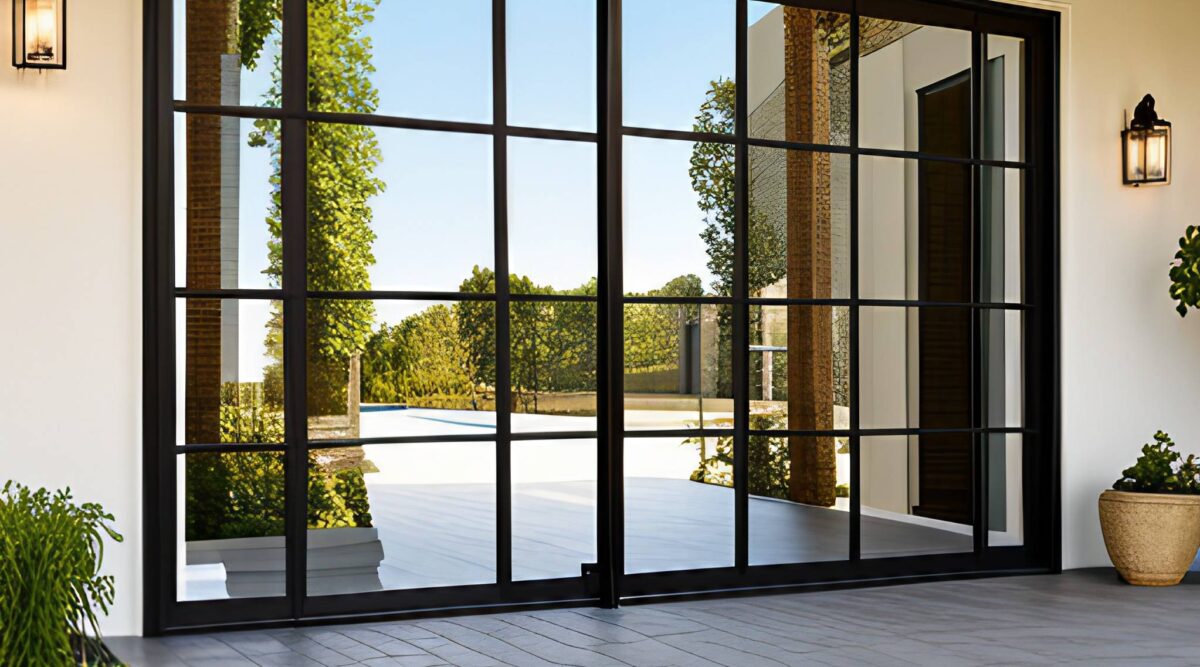
The Winter Efficiency Benefits of Window Tinting

# The Winter Efficiency Benefits of Window Tinting

As the cold months approach, homeowners begin to search for ways to keep their homes warm and cozy without breaking the bank. While many focus on insulation and heating systems, one effective yet often overlooked solution is window tinting. Window films offer numerous benefits that extend beyond the summer months, proving their worth in winter as well. In this article, we will explore how window tinting can enhance your home’s efficiency during the winter and why it should be part of your home improvement strategy.

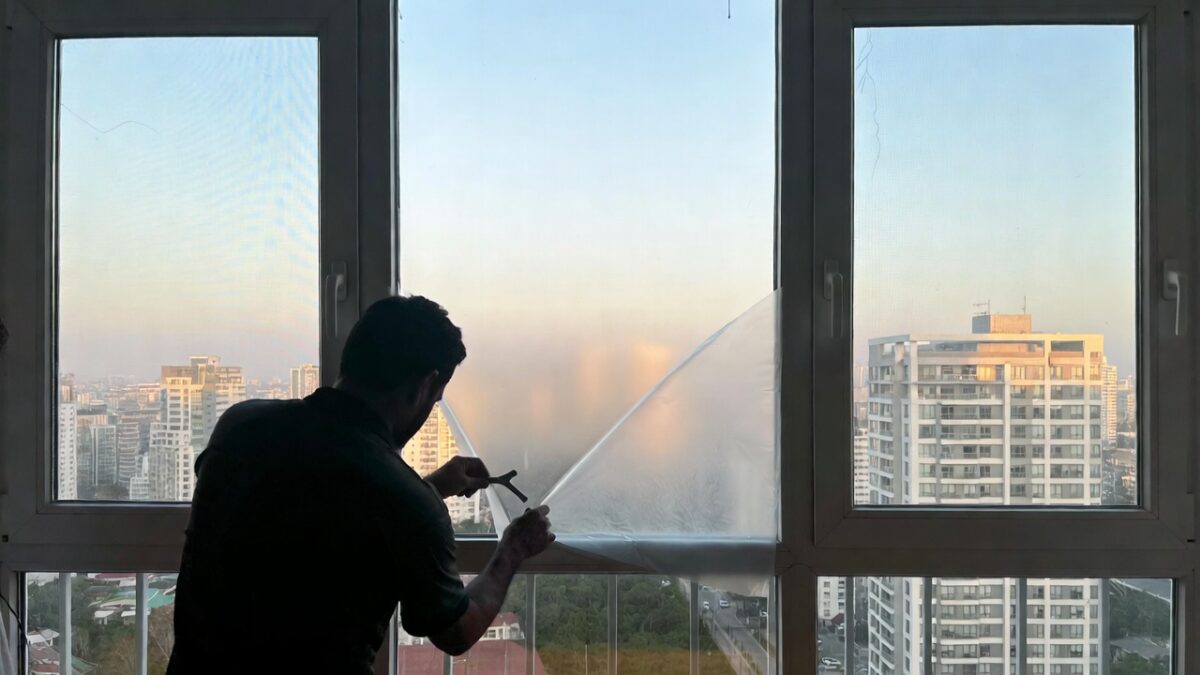
window_film_application

Understanding Window Film Benefits

Window tinting involves applying a thin layer of film to the glass surfaces of your windows. This simple addition can have a significant impact on your home’s energy efficiency and comfort levels. Let’s delve into the specific benefits of window films and how they contribute to an efficient winter home.

Energy Conservation

One of the primary benefits of window tinting in winter is energy conservation. Windows are notorious for being the weak point in a home’s insulation, allowing heat to escape and cold air to seep in. Window films act as an additional layer of insulation, significantly reducing heat loss. This results in less reliance on heating systems, leading to energy savings and reduced utility bills.

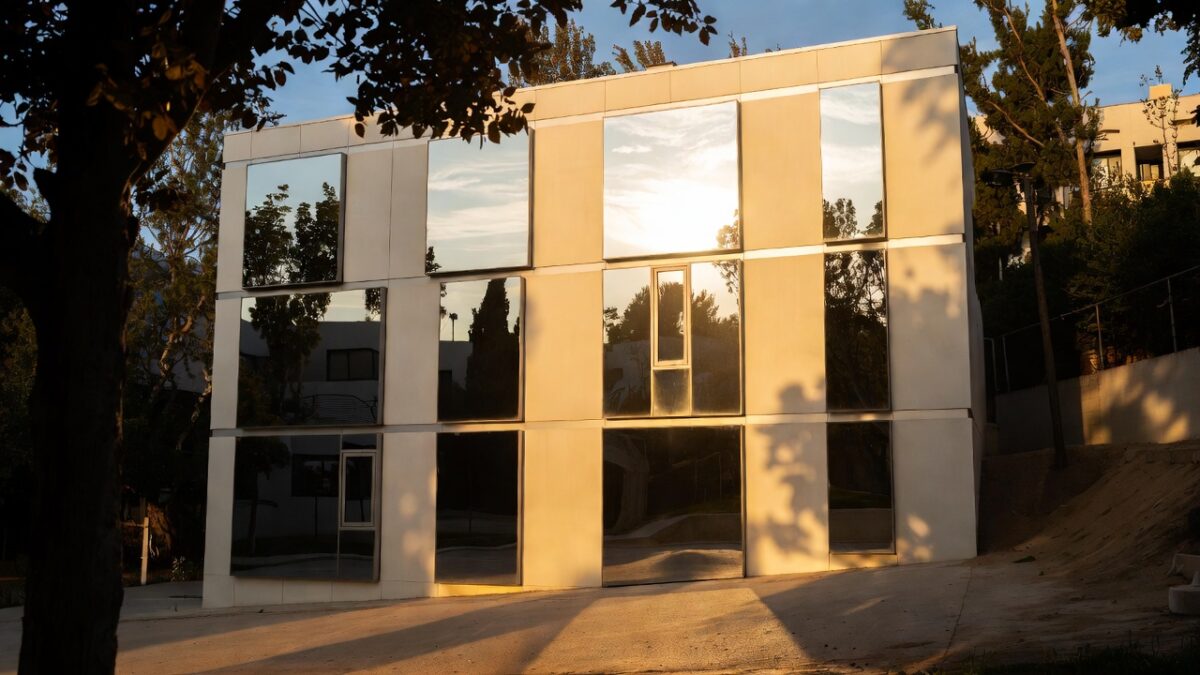
energy_saving_windows

Temperature Regulation

Window films help maintain a consistent indoor temperature by reducing the transfer of heat through windows. During the winter, they minimize heat loss, keeping your home warmer and more comfortable. This means you can enjoy a cozy environment without constantly adjusting the thermostat.

Glare Reduction

Winter may bring shorter days, but it also brings lower sun angles that can cause intense glare in your home. Window tinting reduces glare, making it easier to enjoy natural light without the discomfort of harsh reflections on screens or surfaces. This is particularly beneficial for homes with large windows or open floor plans.

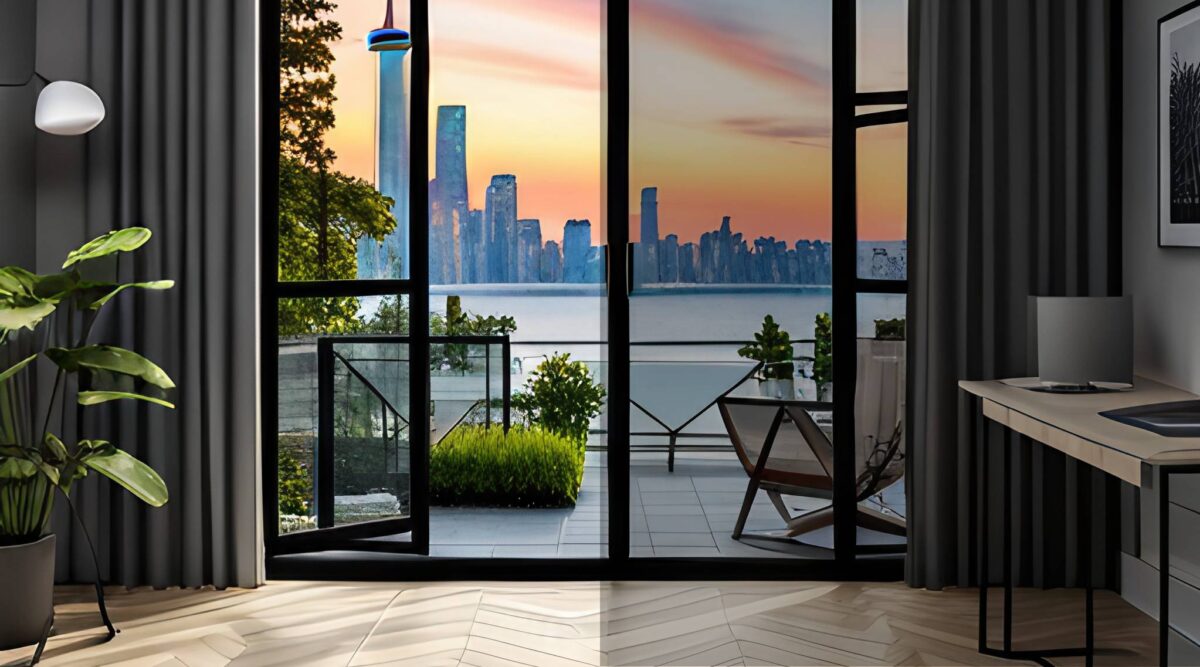
Window Tinting Winter Benefits

Now that we’ve covered the general benefits of window films, let’s focus on the specific advantages they offer during the winter months.

Enhanced Comfort

Window films create a more comfortable living environment by keeping the cold out and the warmth in. This added layer of insulation ensures that your home remains snug, no matter how low the temperatures drop outside.

UV Protection

While UV rays may not be top of mind during the winter, they can still cause damage to your interior furnishings and skin. Window films block up to 99% of harmful UV rays, protecting your furniture, flooring, and artwork from fading and deterioration.

Increased Privacy

During the winter, when the days are shorter and nights are longer, privacy becomes a priority for many homeowners. Window tinting provides an added layer of privacy without compromising natural light. You can enjoy the beauty of the season without worrying about prying eyes.

Choosing the Right Window Film

Selecting the right window film for your home is crucial to maximizing its benefits. Here are some factors to consider when choosing window films for winter efficiency:

Film Type

There are various types of window films available, each with unique properties. Consider films specifically designed for insulation and energy efficiency during the winter. Low-E (low emissivity) films are an excellent choice as they enhance thermal insulation.

Professional Installation

For optimal results, it’s essential to have window films professionally installed. A skilled installer will ensure that the film is applied correctly, without bubbles or creases, maximizing its performance and longevity.

Aesthetic Appeal

Window films come in a range of styles and shades, allowing you to choose one that complements your home’s aesthetic. Whether you prefer a subtle tint or a more reflective finish, there’s a window film to match your design preferences.

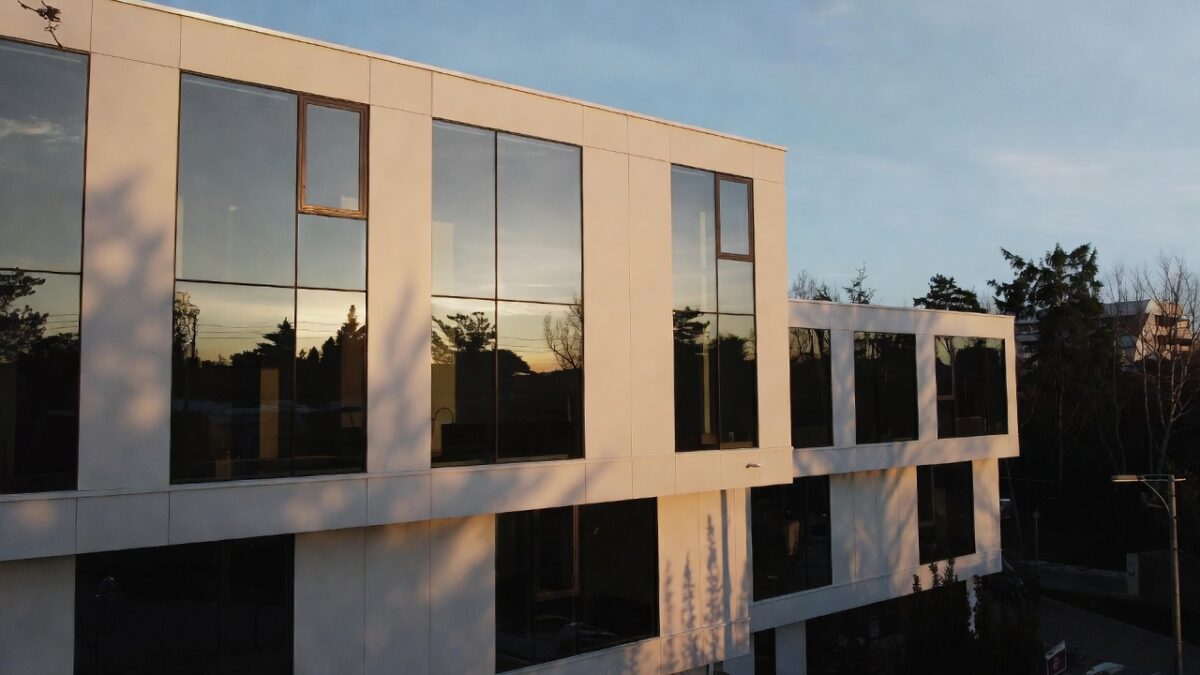
professional_window_film_installation

by Nguyen Minh (https://unsplash.com/@ngminh8895)

The Cost-Effectiveness of Window Tinting

Investing in window tinting is a cost-effective solution for enhancing your home’s efficiency. While there is an upfront cost associated with purchasing and installing window films, the long-term savings on energy bills make it a wise investment. Additionally, the added comfort and protection provided by window films contribute to the overall value of your home.

Conclusion

In conclusion, window tinting is a versatile and practical solution for improving your home’s efficiency during the winter. From energy conservation and temperature regulation to UV protection and increased privacy, the benefits of window films are numerous and impactful. By choosing the right film and ensuring professional installation, you can enjoy a warmer, more comfortable home while reducing your environmental footprint and energy costs.

As an interior designer, incorporating window tinting into your projects can provide clients with stylish, eco-friendly solutions that enhance both aesthetics and functionality. By offering window films as part of your design repertoire, you’ll be helping clients achieve a more efficient and comfortable living space that complements their interior design goals. Consider window tinting as a valuable addition to your home improvement toolkit this winter, and experience the benefits for yourself.

Categories
Window Films and Tint

Anti-Graffiti Window Films for Storefronts: How Window Films Protect Your Glass

Window films play a big role in how Toronto and GTA businesses protect storefront glass. When scratches, paint, and marker damage keep showing up, anti-graffiti window films are often the fix. These window films protect the glass surface before damage becomes permanent. They help reduce repair bills, lost days, and repeat glass replacement.

Street-level glass goes through a lot. Heavy foot traffic. Late nights. Winter salt and slush. Summer construction dust. Window films add a clear layer that takes the hit so the glass does not.

Across Queen Street West, the Danforth, North York strips, and Scarborough plazas, window films are now part of basic storefront planning. Landlords talk about them early. Insurance adjusters ask about them more often. Glass replacement keeps getting more expensive.

This guide explains how anti-graffiti window films work, why local businesses rely on them, and how they fit into a smart window films setup.

What Anti-Graffiti Window Films Are and Why They Are Used

Anti-graffiti window film is a clear layer installed directly onto glass. It sits inside the larger window films category, but it has one main job. It protects the surface of the glass.

Most graffiti damage falls into three common types:

  • Scratches from keys, blades, or sharp tools
  • Spray paint and permanent marker tags
  • Chemical or acid etching, seen more in busy downtown areas

Once glass is scratched or etched, cleaning does nothing. The damage stays. Anti-graffiti window films stop this by taking the damage first. When the film looks bad, it gets removed and replaced. The glass underneath stays untouched.

Many business owners only hear about this option after comparing window films versus replacing glass. After replacing glass more than once, the cost gap becomes clear.

Anti-graffiti window films are not tint. They do not darken the glass. They do not block views. Most customers never notice the film is even there.

A small retail shop near Greenwood Avenue replaced its front glass twice in one year. After installing anti-graffiti window film, the next scratch only damaged the film. The shop opened on time the next day.

How Anti-Graffiti Window Films Work on Storefront Glass

Anti-graffiti window films work as a sacrificial surface. The film bonds to the glass. Paint, ink, and scratches bond to the film instead of the glass.

The film is made from clear polyester. The adhesive keeps it smooth and flat but allows clean removal when replacement is needed.

A common situation looks like this. A storefront on Bloor Street gets tagged overnight. Without film, scratches cut into the glass. With film, the damage stays on the surface. The installer removes the film and installs a new layer. The glass looks normal again.

This is different from security film. Security film is thicker and focuses on holding broken glass together. Anti-graffiti window films focus only on surface damage. Many Toronto storefronts use both window films together.

In high-traffic areas like Kensington Market or near TTC stops, installers often place the film on the outside for quicker replacement. In quieter plazas, interior installs are more common.

Anti-graffiti window films also help protect glass from:

  • Paint overspray during road and building work
  • Damage from harsh cleaning chemicals
  • Wear from frequent washing

When different window films are layered, guides like how safety films enhance window security explain how each layer works together.

Independent technical guidance for window films is published by the International Window Film Association.

Why Window Films Make Sense for Toronto and GTA Businesses

Toronto storefronts deal with steady foot traffic, transit access, late-night activity, and seasonal issues. Winter brings salt and grit. Summer brings dust, paint, and scaffolding.

All of this wears down glass. Window films reduce how often repairs are needed.

In Scarborough plazas, large glass panels are easy targets. In North York, damage happens less often but costs more when it does. Downtown, some storefronts deal with tagging several times each year.

A barbershop near Yonge and College added anti-graffiti window film after repeat marker damage. The next cleanup took less than an hour. Before that, glass replacement shut the shop for two full days.

Other reasons business owners choose window films include:

  • No change to storefront appearance
  • No permits required
  • Work completed without closing the business
  • Lower long-term repair costs

Install quality matters more than many people expect. Poor installs peel early. Edges lift. Haze shows up. Articles like key considerations when installing window films explain why prep and trimming matter.

Retail crime trends that affect storefronts are tracked by the Insurance Bureau of Canada.

Anti-Graffiti Window Films vs Replacing Glass

Business owners tend to ask the same questions.

Can graffiti be cleaned off?
Paint sometimes comes off. Scratches and etching do not.

Is replacing glass better?
Only if it happens once. Repeat replacement costs more than window films.

Do anti-graffiti window films stop break-ins?
No. That requires security film systems.

How long do these window films last?
They can last years if untouched. Busy areas replace them sooner.

Many problems come from rushed installs. A clear walkthrough is shown in this security film installation guide.

Who Should Use Anti-Graffiti Window Films

Any business with exposed glass should think about window films:

  • Retail stores
  • Restaurants and cafés
  • Cannabis shops
  • Banks and clinics
  • Street-level offices

If your glass faces a sidewalk, alley, or TTC stop, risk goes up. If tagging already happened once, it often happens again.

Frequently Asked Questions

What are anti-graffiti window films?
Anti-graffiti window films are clear window films that absorb scratches, paint, and marker damage so the glass stays intact.

Can anti-graffiti window films be removed?
Yes. Installers remove damaged film and apply a new layer without replacing the glass.

Do these window films affect visibility?
No. Anti-graffiti window films stay clear and do not block light or views.

Are anti-graffiti films the same as security films?
No. Anti-graffiti films protect the surface. Security films help hold broken glass together.

How long do anti-graffiti window films last?
They can last years if undamaged, but busy storefronts may need replacement sooner.

Window films give business owners more control over damage, cost, and downtime. For many Toronto storefronts, anti-graffiti window film has become basic protection.

Categories
Window Films and Tint

How Window Films Can Help Trap Warm Air Indoors

# How Window Films Can Help Trap Warm Air Indoors

As temperatures drop, homeowners often seek effective solutions to keep their homes warm without incurring sky-high energy bills. One such solution is the use of window films. Window films offer a practical and stylish way to enhance home insulation, helping to trap warm air indoors. In this article, we will explore the benefits of window films, their various types, and how they can be an invaluable addition to any home.

Window films on a residential window

Understanding Window Films and Their Benefits

Window films are thin, multi-layered polyester materials applied to glass surfaces. They have several benefits, including energy efficiency, UV protection, and added privacy. Here’s a closer look at how these films can improve your home’s comfort and efficiency.

Energy Efficiency

Window films act as an additional layer of insulation for your windows. By reducing heat loss, they help maintain a stable indoor temperature, thus minimizing the need for constant heating. This leads to reduced energy consumption and lower utility bills—a win-win for homeowners and the environment.

UV Protection

One of the often-overlooked benefits of window films is their ability to block harmful ultraviolet (UV) rays. Prolonged exposure to UV rays can cause fading and damage to furniture, flooring, and artwork. Window films can block up to 99% of these rays, preserving the interior of your home and prolonging the life of your furnishings.

UV protection provided by window films

Enhanced Privacy

Privacy window films are designed to obscure the view from outside while maintaining visibility from the inside. This feature is particularly beneficial for homes located in densely populated areas or those with large windows that face the street. By using privacy films, you can enjoy natural light without compromising your privacy.

Types of Window Films

There are several types of window films available, each offering unique benefits. Understanding the options can help you choose the best film for your needs.

Decorative Window Films

Decorative window films are perfect for those looking to add a touch of style to their living spaces. Available in various patterns, colors, and textures, these films can transform ordinary windows into stunning design elements. They are an excellent choice for enhancing the aesthetic appeal of a room while providing privacy.

Privacy Window Films

Privacy window films are designed to prevent prying eyes from seeing into your home. Available in frosted, tinted, or mirrored finishes, these films are ideal for use in bathrooms, bedrooms, and other areas where privacy is paramount.

Insulating Window Films

Insulating window films are engineered to improve your home’s energy efficiency. These films reflect heat back into the room during winter, helping to maintain a comfortable indoor temperature. In summer, they can reduce heat gain, keeping your home cool and reducing the load on air conditioning systems.

Installation Process

Installing window films is a straightforward process, but it requires precision and care to ensure optimal performance and longevity. Here’s a step-by-step guide to the installation process.

  1. Preparation: Clean the window surface thoroughly to remove any dirt, dust, or grime. A clean surface ensures that the film adheres properly.
  2. Measurement and Cutting: Measure the window dimensions accurately and cut the film to size. Allow a slight overlap to ensure complete coverage.
  3. Application: Apply the film to the window, starting from the top and working your way down. Use a squeegee to smooth out any air bubbles and ensure a firm adhesion.
  4. Trimming: Trim any excess film along the edges using a sharp utility knife for a neat and professional finish.
  5. Curing: Allow the film to cure for a few days before cleaning or opening the windows. This ensures that the adhesive sets properly and the film remains securely in place.

Maintenance Tips

Window films require minimal maintenance, making them a convenient option for busy homeowners. Here are some tips to keep your films in top condition:

  • Cleaning: Use a soft cloth or sponge and a mild soap solution to clean the films. Avoid abrasive cleaners or tools that could scratch the surface.
  • Inspection: Periodically check the films for any signs of peeling or bubbling. Addressing these issues promptly can prevent further damage and prolong the life of the films.
  • Avoid Sharp Objects: Be cautious when moving furniture or handling objects near the windows to prevent accidental damage to the films.

Real-World Applications

Interior designers and homeowners alike have embraced window films for their ability to enhance both function and style. Here are a few examples of how window films are being used in homes today:

  • Living Rooms: Decorative films add a unique design element to large picture windows, creating a focal point in the room.
  • Bathrooms: Privacy films allow natural light to filter in while ensuring privacy, making them ideal for bathroom windows.
  • Home Offices: Insulating films help maintain a comfortable temperature in home offices, reducing energy costs and creating a more pleasant working environment.

Decorative window films in a modern living room

by Alex Tyson (https://unsplash.com/@alextyson195)

Conclusion

Window films are a versatile and cost-effective solution for homeowners looking to improve their home’s energy efficiency, privacy, and aesthetics. With a variety of options available, there is a window film to suit every need and style. By investing in quality window films, you can enjoy a more comfortable living space while reducing your environmental footprint. Whether you’re an interior designer seeking innovative solutions or a homeowner looking to enhance your living environment, window films offer an excellent way to achieve your goals.

Incorporate window films into your home improvement plans today and experience the difference they can make in trapping warm air indoors and elevating your home’s overall appeal.

Categories
Window Films and Tint

What Are Blast Retention Window Films and Why Toronto Buildings Use Them

Window films are used across Toronto and the GTA to reduce problems caused by glass. Property owners install window films to protect people, limit damage, and control risk when windows break. In busy areas with large glass surfaces, one type of window film comes up again and again in safety discussions. That film is blast retention window film.

Online searches for window films often rise after nearby construction blasts, vehicle crashes, or loud impacts that cause windows to shake. Most times, nothing breaks. Other times, glass fails without warning.

When glass fails, injuries can happen fast.

This article explains how blast retention window films work, where they fit within the larger window films category, and when they make sense for Toronto and GTA properties. It also explains how they compare to other safety and security film options.

What Blast Retention Window Films Are and Why They Matter

Blast retention window films are a type of window film made to keep broken glass together during strong pressure events. These events include explosions, heavy impacts, or sudden force against glass.

The glass still cracks.

The difference is what happens after.

Without window films, broken glass breaks loose and moves inward at high speed. With blast retention window film, the glass stays bonded together and often stays inside the frame. This lowers injury risk for people nearby.

In many incidents, flying glass causes more harm than the blast or impact itself. Offices, schools, clinics, and retail spaces all face this risk when large glass panels fail.

Blast retention window films are often used in buildings with large glass coverage and regular foot traffic. In Toronto, this includes financial offices, government buildings, transit areas, healthcare sites, and street-level retail.

Property owners often learn about these window films after a close call. A scaffold clamp drops. A delivery truck backs too far. A demolition blast nearby rattles the glass. No one is hurt, but the risk becomes real.

This is when security films start to get serious attention.

How Blast Retention Window Films Work on Real Glass

Blast retention window films use thick polyester layers that stretch instead of tearing. The film installs on the inside surface of the glass.

When pressure hits the window, the film absorbs force and spreads it across the pane. The glass cracks but stays held together.

In higher-risk areas, installers bond the film to the window frame using attachment systems. This helps keep the glass mass inside the frame instead of falling inward.

A trained window tinting service decides when anchoring is needed. The choice depends on glass size, frame strength, and how people move through the space.

Many Toronto installations include:

  • Clear security film layers
  • Edge sealing to reduce peeling
  • Frame bonding in higher-risk zones
  • Interior installation for longer life

From outside, the windows look normal. Inside, daylight stays the same. This is why clear security film is common in Bay Street offices and mixed-use buildings near Yonge.

For a simple explanation of how safety-focused window films work, this guide on how safety films enhance window security breaks it down clearly.

Where Blast Retention Window Films Make Sense in Toronto and the GTA

Not every building needs blast retention window films.

They make sense where people sit close to large glass areas and where damage risk is higher. Downtown towers. Transit stations. Schools. Clinics. Retail spaces with full glass fronts.

Common GTA areas include:

  • Toronto Financial District
  • Liberty Village commercial blocks
  • North York Centre offices
  • Scarborough Town Centre zones
  • Vaughan Metropolitan Centre towers
  • Mississauga City Centre properties

Seasonal conditions matter. Winter brings ice impact, road spray, and wind pressure. Summer brings heavy construction and equipment movement. Both raise glass failure risk.

One Toronto example involved a law office next to a long-term condo build. A steel hook slipped during lifting and struck a window. The glass cracked but stayed together because security window film had been installed earlier. Staff stayed inside. No injuries.

Another GTA case involved a medical clinic near a busy intersection. A car slid during freezing rain and hit the glass frontage. Blast retention window film held the glass in place until repairs were done days later.

These situations happen more often than people expect.

Blast Retention Window Films vs Other Window Film Options

Standard security window films focus on slowing break-ins and reducing glass scatter. They help with theft prevention.

Blast retention window films handle stronger pressure and focus on injury control.

Main differences include:

  • Thicker film builds
  • Higher stretch capacity
  • Frame attachment systems
  • Different install methods

If theft is the main concern, standard security film may be enough. If people safety and liability matter more, blast retention systems fit better.

Some owners compare window films with full window replacement. Film usually costs less and installs faster. This comparison of window films vs window replacements explains why film is often chosen first.

What Installation Looks Like with a Toronto Window Film Provider

Installing blast retention window films takes planning.

The process includes checking glass type, measuring frames, and reviewing how the space is used. Many Toronto installs happen after hours so businesses can stay open.

Typical steps include:

  • Site review and measurements
  • Film selection based on risk level
  • Interior installation
  • Edge bonding and anchoring if needed

Clear security film stays clear. Rooms do not become dark. This matters in offices, schools, and healthcare spaces.

For a step-by-step look at quality work, this guide on installing security film shows what proper installation looks like.

How Blast Retention Window Films Fit into the Bigger Window Films Picture

Blast retention window films are part of a larger window films setup. Many properties pair them with solar film, privacy film, or UV blocking film.

Security often comes first. Comfort and energy savings follow.

For owners learning the basics, this introduction to window films helps explain how different films work together.

For general building safety guidance related to glass hazards, Public Safety Canada shares resources at Public Safety Canada.

Material testing standards referenced in film specs are published by ASTM International.

Final Thoughts for Toronto Property Owners

Window films solve real problems when installed the right way. Blast retention window films focus on keeping broken glass from injuring people.

They do not stop every incident. They control what happens after glass breaks.

For high-risk buildings in Toronto and the GTA, that control helps protect people and keeps spaces usable.

Glass will always break. Planning decides what happens next.

Categories
Window Films and Tint

Summer-Proofing with Window Insulation Films

Window insulation films are thin, multi-layered sheets of material that adhere to glass surfaces. Designed with advanced technology, these films reflect sunlight, minimize heat transfer, and provide an additional layer of insulation. By curbing the amount of solar energy entering through the windows, these films help maintain a comfortable indoor temperature, reducing the strain on air conditioning systems during the peak of summer. This makes them an ideal solution not only for homes but also for office buildings and other commercial spaces seeking to optimize energy use and enhance indoor comfort.

There are several types of window films available, each with unique characteristics and benefits tailored to specific needs:

  1. Reflective Window Film: These films are coated with a thin layer of metal that reflects sunlight, significantly reducing glare and heat buildup inside the home. Reflective films are particularly effective for rooms that receive direct sunlight, as they prevent the intense heat from penetrating through the glass, thereby maintaining a cooler indoor environment. They also add a sleek, modern appearance to the exterior of buildings, enhancing curb appeal.
  2. Tinted Window Film: Tinted films absorb sunlight, reducing the amount of heat entering your home. Available in a variety of shades, these films can be matched to your aesthetic preferences, providing a customized look while offering privacy and reducing glare. The tinted appearance can also help soften the light entering a room, creating a more soothing ambiance.
  3. UV Blocking Film: These films are designed to block harmful UV rays, protecting your furniture, flooring, and artwork from fading while maintaining a comfortable indoor climate. By filtering out up to 99% of UV radiation, these films not only preserve the longevity of your interiors but also contribute to healthier living conditions by reducing the risk of skin and eye damage.
  4. Insulation Window Film: Specifically designed for insulating purposes, these films help reduce heat loss in winter and heat gain in summer, offering year-round energy savings. They work by adding an extra layer of thermal resistance to windows, which can significantly enhance the overall energy efficiency of a building, reducing heating and cooling costs throughout the year.

Using window insulation films offers a multitude of benefits, particularly during the summer months. Here’s why you should consider them for your home:

One of the primary benefits of window insulation films is energy efficiency. By reducing the amount of heat that enters your home, you can lower your reliance on air conditioning, leading to significant savings on energy bills. This eco-friendly solution not only benefits your wallet but also reduces your carbon footprint, contributing to a more sustainable environment. As energy costs continue to rise, investing in window films can provide substantial long-term savings, making them a smart financial decision for homeowners and businesses alike.

Window films help maintain a consistent indoor temperature, preventing hot spots and making your living space more comfortable. This is especially beneficial for rooms with large windows or those facing the sun, where heat buildup can become unbearable. By minimizing temperature fluctuations, window films create a more stable and pleasant indoor climate, enhancing overall comfort for occupants. This consistent comfort can also lead to improved productivity and relaxation, as extreme temperatures are known to cause discomfort and distraction.

Excessive glare from the sun can be a nuisance, making it difficult to watch TV or work on a computer. Reflective window films can reduce glare, ensuring a more comfortable viewing experience. By filtering out harsh sunlight, these films enhance visibility on screens, reducing eye strain and improving concentration. This is particularly advantageous for home offices and media rooms, where controlling light levels is essential for an optimal experience.

Prolonged exposure to UV rays can cause damage to your skin and eyes, as well as fade your furnishings. Window films that block UV rays provide an added layer of protection for you and your belongings. By safeguarding against UV radiation, these films help preserve the vibrancy and quality of interior items, ensuring they remain in excellent condition for years to come. Additionally, the health benefits of reduced UV exposure cannot be overstated, contributing to a safer living environment.

Window films are available in a variety of styles and finishes, allowing you to enhance the look of your home. Whether you prefer a sleek, modern look with reflective films or a subtle tint for added privacy, there’s a film to suit your design preferences. These films can transform the appearance of your windows, adding a touch of elegance and sophistication to both the interior and exterior of your home. By choosing the right film, you can complement your existing decor and create a cohesive, stylish look throughout your living space.

Selecting the right window film involves considering several factors, including your specific needs, budget, and aesthetic preferences.

Start by assessing your needs. Do you want to reduce glare, enhance privacy, or improve energy efficiency? Identifying your priorities will help you choose the most suitable film for your home. Consider the specific challenges you face with your current windows and how different types of films can address these issues. For instance, if energy efficiency is your main concern, insulation films might be the best choice, whereas reflective films could be ideal for reducing glare in sun-drenched rooms.

Window films come in various shades and finishes. Consider how different options will complement your home’s interior and exterior design. Reflective films offer a modern, sleek appearance, while tinted films provide a more subdued look. Think about the overall style you wish to achieve and how the film’s color and transparency will interact with your existing decor. By selecting a film that aligns with your aesthetic vision, you can enhance the visual appeal of your space while enjoying the practical benefits it offers.

Window films are a cost-effective solution for improving energy efficiency, but prices can vary depending on the type and quality of the film. Determine your budget and explore options within your price range. Keep in mind that while higher-quality films may have a higher upfront cost, they often offer better performance and durability, resulting in greater long-term savings. Consider the return on investment and potential energy savings when evaluating your options, ensuring you choose a film that provides the best value for your money.

Proper installation and maintenance are crucial for maximizing the benefits of window insulation films.

While some homeowners opt for DIY installation, professional installation ensures a precise fit and optimal performance. Professionals have the expertise and tools needed to apply the film without bubbles or creases, ensuring a smooth finish. A professionally installed film not only looks better but also performs more effectively, providing the full range of benefits that the product promises. Investing in professional installation can save you time and frustration, as well as extend the lifespan of the film.

Window films require minimal maintenance. Clean them with a soft cloth and a mild cleaning solution to avoid scratches or damage. Avoid using harsh chemicals or abrasive materials, which can degrade the film’s surface over time. Regular cleaning helps maintain the clarity and effectiveness of the film, ensuring it continues to perform optimally. By following these simple maintenance tips, you can enjoy the benefits of your window films for many years, keeping your home comfortable and energy-efficient.

Consider the example of an interior designer who wanted to improve the energy efficiency and aesthetics of a client’s home. By choosing a combination of reflective and tinted window films, they achieved a stylish look while significantly reducing the home’s energy consumption. The reflective films were applied to windows facing direct sunlight, cutting down on glare and heat, while tinted films were used in areas where privacy and a softer light were desired. The client was delighted with the comfort and cost savings the films provided, noting a noticeable reduction in energy bills and an enhanced indoor ambiance.

The transformation went beyond just the practical benefits; the films added a modern touch to the home’s decor, creating a cohesive and stylish environment. The designer’s strategic use of different film types demonstrated how window insulation can be both functional and fashionable, offering a comprehensive solution to common home heating and lighting challenges. The success of this project highlights the potential of window films to make a significant impact on both the aesthetic and energy profile of a home.

Window insulation films are a smart investment for any homeowner looking to enhance comfort, reduce energy costs, and protect their interiors from UV damage. By choosing the right film and ensuring proper installation, you can enjoy a cooler, more comfortable home all summer long. Whether you’re an interior designer seeking eco-friendly solutions or a homeowner aiming to improve your living space, window films offer a versatile and effective option that caters to a variety of needs and preferences.

As you consider summer-proofing your home, remember that window insulation films are not just a temporary fix but a long-term solution that enhances your home’s value and livability. Embrace the benefits of this innovative technology and transform your home into a cool, energy-efficient haven. With the added protection against UV rays and the potential for significant energy savings, window films represent a forward-thinking approach to home improvement, combining style with sustainability for a brighter, more comfortable future.

Categories
Window Films and Tint

Clear Security Window Films and How Window Films Protect Glass Without Changing Your View

Window films are one of the most searched upgrades for homes and businesses in Toronto, especially when people want safer glass without changing how their windows look. Clear security window films sit right inside that demand. When people search for window films, they are usually worried about break-ins, broken glass, winter cracks, or sudden repair costs. They want protection, but they also want daylight and clean views. Clear security window films are built for that exact problem.

Across Toronto and the GTA, window films are no longer only about heat or glare. They are now part of day-to-day safety planning. From storefronts along Queen Street to condo towers in North York and offices in Markham, window films help reduce damage, slow forced entry, and keep broken glass from spreading across floors.

This guide explains how window films work for security, why they matter in local buildings, and when they actually help. It sticks to real situations people deal with here every year.

What Clear Security Window Films Are and Why They Exist

Clear security window films are thick, transparent window films installed directly onto existing glass. The window stays. The look stays the same. What changes is how the glass reacts when hit, stressed, or cracked.

Normal glass fails fast. One strong impact and it shatters into sharp pieces. Security window films change that behaviour. When glass cracks, the film holds the broken pieces together. The pane stays mostly intact instead of falling inward.

Most clear security window films used in Toronto range from 4 mil to 15 mil thick. Homes often use 8 mil film. Retail stores, offices, and condos usually use 12 or 15 mil. Thicker window films add more resistance and more delay during forced entry.

People choose these window films for clear reasons. Smash-and-grab theft. Broken glass injuries. Winter stress cracks. Accidental hits from doors, carts, or ladders. Clear security film handles these problems without dark tint or blocked views.

For a full explanation of this category, this article breaks it down well: What Are Security Window Films.

How Window Films Change What Happens During Break-Ins

Clear security window films do not make glass unbreakable. That idea causes confusion. What window films do is slow failure, and that delay matters more than people expect.

Most break-ins rely on speed. One hit. Reach inside. Door opens. With security window films, that fast entry often fails. The glass cracks but stays together. More hits are needed. Noise increases. Time passes. Risk grows. Many intruders leave.

Local safety advice supports this idea. Police often point out that noise and delay reduce break-in success. This public resource explains why added time helps: Toronto Police Crime Prevention Tips.

Window films do not replace alarms or locks. They support them. They turn fast damage into slower damage, which changes how situations end.

Window Films During Accidents and Winter Glass Stress

Accidents happen more often than people admit. A ladder slips. A delivery cart hits a door. Someone falls into glass. Without film, the glass breaks apart and spreads. With window films, the glass stays bonded and breaks in a safer way.

Toronto winters add another layer of stress. Cold nights and warm interiors push glass in opposite directions. Small cracks can spread overnight. Window films cannot stop cracks from forming, but they can keep glass in place until repairs happen. That helps avoid emergency board-ups and heat loss during freezing weeks.

Some installs also use attachment systems that connect the film to the window frame. This helps stop the entire pane from pushing out under force. It is common in storefronts and offices with large glass panels.

Why Window Films Make Sense for Toronto and GTA Buildings

Toronto buildings face pressure that many cities do not. Heavy foot traffic. Narrow retail strips. Large glass storefronts. Strong seasonal temperature changes. Condo rules that limit visible changes. Window films fit these limits well.

Downtown areas like Queen West, Kensington, and parts of Yonge see repeat glass damage each year. Clear security window films allow shops to protect glass without bars or metal shutters.

In North York, Scarborough, and Etobicoke, many homes use window films on patio doors and sidelights. These are common entry points. Film strengthens them while keeping rooms bright.

Condos across the GTA rely on window films for lobbies, gyms, and ground-floor units. Condo boards often approve clear security film because it does not change the building look.

Window Films vs Full Glass Replacement

Many property owners compare window films to full glass replacement. Replacement costs more and takes longer. Glass must be ordered, delivered, and installed. Businesses may need to close during work.

Window films upgrade existing glass. No demolition. No permits. Less downtime. This is why many Toronto businesses choose film first.

Replacement still makes sense when glass is already damaged or frames are weak. Window films work best on solid glass.

This comparison explains the difference in plain terms: Window Films vs Window Replacements.

Local Examples of Clear Security Window Films in Real Use

A small bakery near Danforth installed clear security window film after two late-night break-ins. A third attempt cracked the glass but failed to open the store. The owner opened the next morning without boarding and avoided losing a full day of sales.

A logistics office in Brampton added security window films to its entry doors after repeated glass damage from carts and equipment. Since installation, cracks still happen but the glass stays in place, which lowered repair calls.

A homeowner in Pickering added clear security film to basement windows after nearby break-ins. During a deep freeze, one pane cracked but stayed intact. Repairs were scheduled normally instead of as an emergency.

These cases show how window films often reduce damage rather than prevent every problem.

What Professional Window Film Installation Looks Like

A proper window film installation starts with inspection. Installers check glass type, age, and frame depth. Film should not go on cracked or failing glass.

Cleaning matters more than people think. Dust or residue trapped under film stays visible. Skilled installers take extra time during prep, even if it slows the job.

The film is applied using a wet method. It is smoothed and left to cure. Light haze during curing is normal and fades over a few days.

For security window films, edges matter. In higher-risk areas, attachment systems may be added for better hold.

This guide explains the install process clearly: How to Achieve Flawless Security Film Installation in 7 Steps.

Clear Security Window Films and Other Window Film Types

Security window films are often mixed up with privacy or solar films. Each type has a different job.

Privacy window films block views. Solar films reduce heat and UV. Security window films focus on holding glass together. Some buildings use more than one type in different areas.

This overview explains the wider category: Introduction to Window Films.

Why Window Films Keep Growing in Use

Glass repairs cost more each year. Insurance claims rise. Buildings use more glass than before. Shared spaces are common.

Public data shows property crime still affects many areas each year. Statistics Canada tracks break-and-enter trends across Ontario: Statistics Canada Crime Data.

Window films offer a simple way to manage risk. They last years. They work quietly. They help homes and businesses reduce damage without major changes.

For Toronto property owners, clear security window films reduce how bad glass damage becomes. That saves time, money, and stress, even when things still go wrong.

Frequently Asked Questions

What are clear security window films?

Clear security window films are transparent window films that help keep broken glass together after impact.

Do security window films change how windows look?

Clear security window films do not change glass appearance and stay nearly invisible.

Can window films stop break-ins?

Security window films slow forced entry by holding glass in place and increasing noise and time.

Are window films suitable for homes and businesses?

Window films work for homes, retail stores, offices, and condos where glass safety matters.

How long do clear security window films last?

Most clear security window films last 10 to 15 years indoors with proper installation.