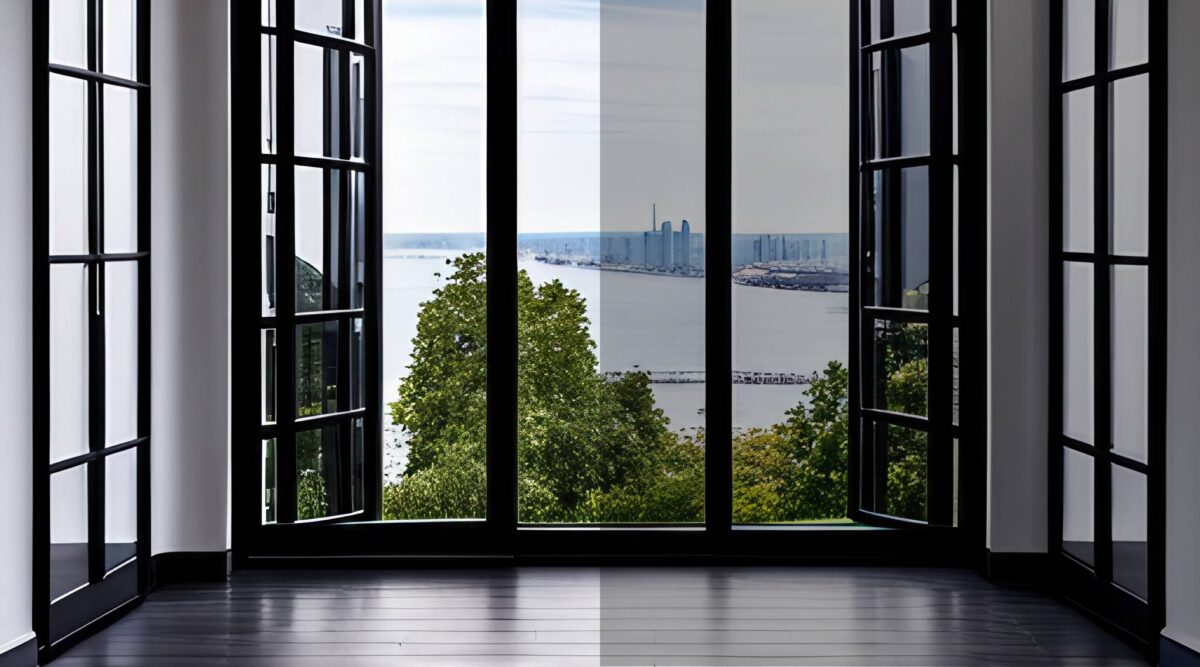
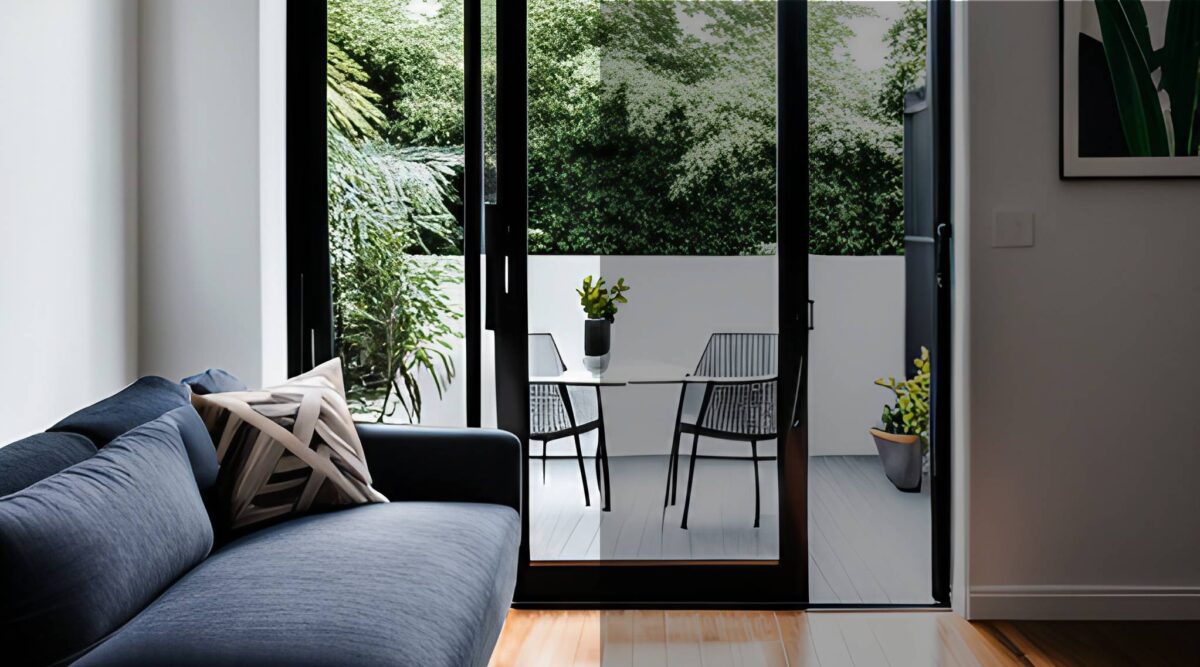
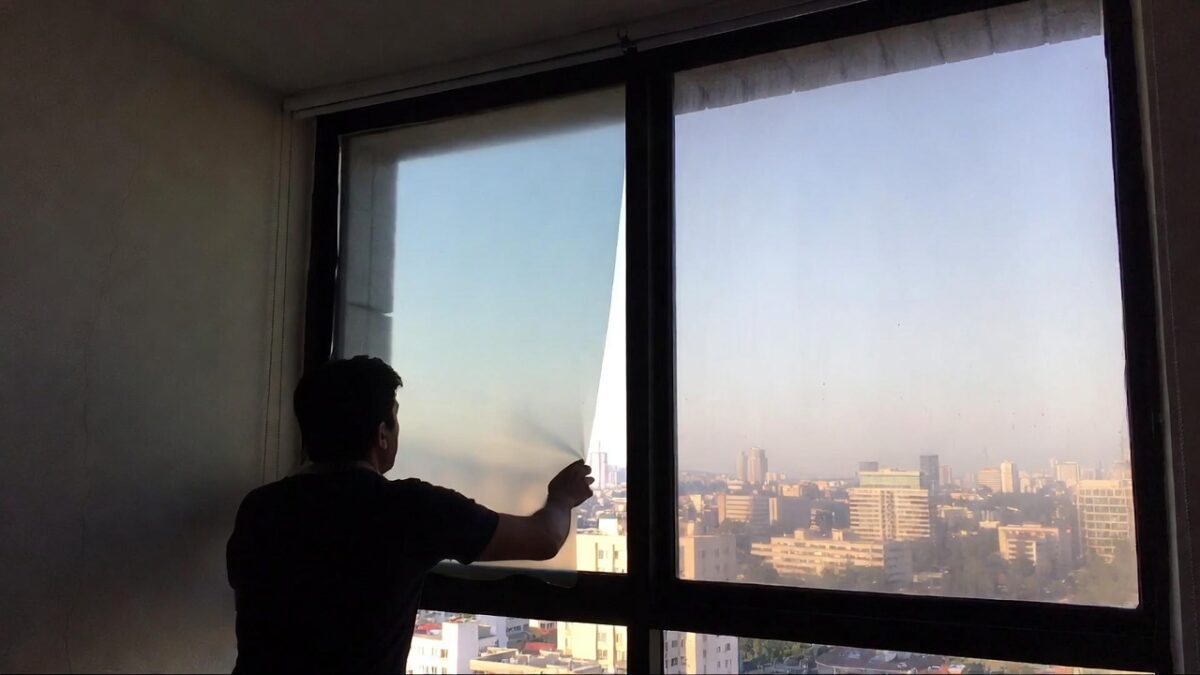
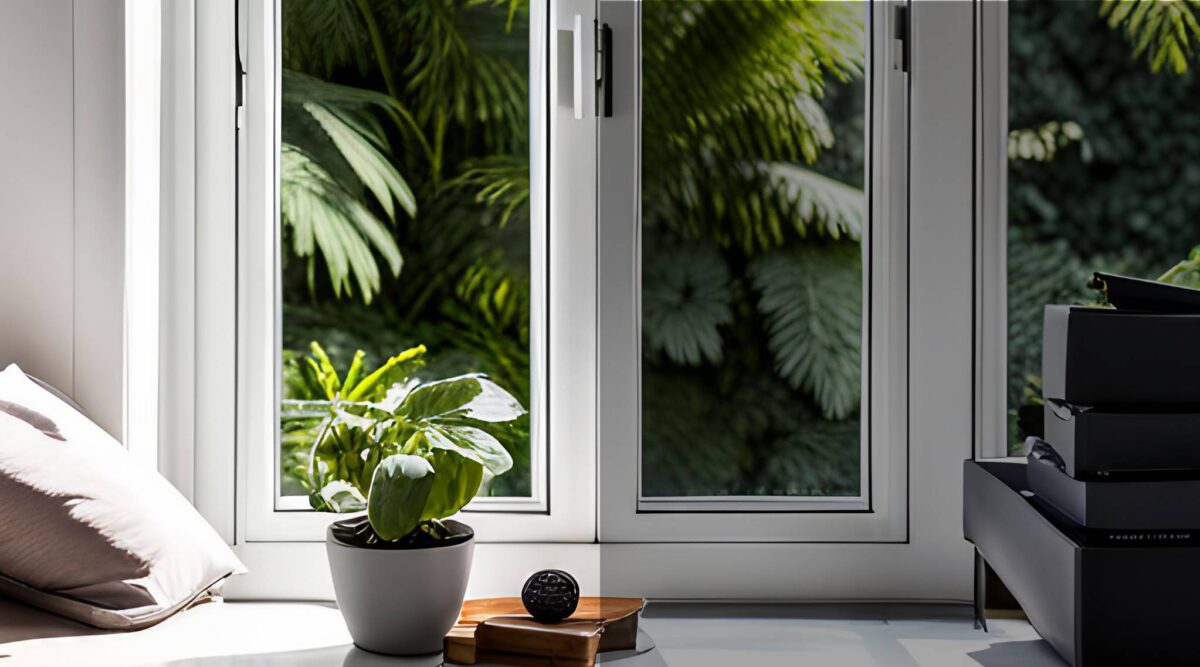
Commercial window tinting involves applying a thin film to the windows of commercial buildings. This film can offer different benefits, such as reducing glare, improving energy efficiency, and enhancing privacy. It’s a versatile solution that can be tailored to fit the specific needs of an office or building. The films are made from a variety of materials, each designed to address particular issues, ranging from solar control to increased security. With advancements in technology, these films have become more effective and durable, providing long-lasting solutions for businesses.
Moreover, commercial window tinting is not just about function; it can also contribute significantly to the aesthetic appeal of a building. With a range of tints and finishes available, businesses can choose a look that complements their brand and enhances their building’s exterior. The ability to customize the tint also means that businesses can maintain a uniform appearance throughout their premises, adding to the overall professional look.
Why Should Businesses Consider Window Tinting?
Businesses should consider window tinting for several reasons:
- Energy Efficiency: Window tinting can reduce the amount of heat that enters a building, helping to keep it cooler in the summer and reducing the need for air conditioning. This can lead to significant energy savings. By blocking out a considerable portion of solar heat, businesses can see a noticeable reduction in their energy bills. Additionally, in the winter months, window tinting can help retain heat, further contributing to energy efficiency.
- Improved Comfort: By reducing glare and maintaining a consistent indoor temperature, window tinting can create a more comfortable environment for employees and clients. This can lead to increased productivity, as employees are less likely to be distracted by glare on their computer screens or uncomfortable temperature fluctuations. A comfortable environment can also enhance customer experience, making clients more likely to return.
- Enhanced Privacy and Security: Tinting provides an added layer of privacy and can prevent outsiders from easily seeing into your business. This can be particularly important for businesses that handle sensitive information or wish to maintain a level of confidentiality. Security films can also make windows more resistant to breakage, providing peace of mind against potential break-ins or vandalism.
- Aesthetic Appeal: Tinted windows can give a sleek, professional look to a building’s exterior, enhancing the overall appearance of your business premises. This can be an essential factor in making a positive first impression on clients and customers. Furthermore, decorative films offer endless possibilities for customization, allowing businesses to express their unique style and brand identity.
How Does Window Tinting Improve Energy Efficiency?

Window tinting films are designed to block a significant amount of the sun’s heat and harmful UV rays. By doing so, they help maintain a more consistent indoor temperature and reduce the strain on heating and cooling systems. This not only lowers energy bills but also contributes to a more sustainable environment by reducing energy consumption. The reduced demand on HVAC systems can extend their lifespan, saving businesses on maintenance and replacement costs in the long run.
Moreover, by blocking up to 99% of UV rays, window tinting protects interior furnishings from fading, prolonging the life of office furniture, carpets, and decor. This protection is particularly valuable in preserving the appearance and functionality of office interiors, reducing the need for frequent replacements and refurbishments. In the context of sustainability, the reduction in energy use and the protection of interior elements align with green building practices, which can enhance a business’s reputation as an environmentally responsible entity.
What Types of Tinting Solutions Are Available?
There are several types of window tinting films available, each designed to meet different needs:
- Solar Control Films: These are designed to reduce heat and glare while allowing natural light to pass through. They are ideal for businesses looking to improve energy efficiency without compromising on natural lighting. The technology behind these films allows for a balance between light transmission and heat rejection, ensuring that spaces remain bright and welcoming.
- Security Films: These films add an extra layer of protection against break-ins and can hold glass together in case of impact. This makes them an excellent choice for businesses in high-risk areas or those dealing with high-value goods. Security films can also mitigate the risk of injury from shattered glass during accidents or natural disasters, providing an added safety measure for employees and clients.
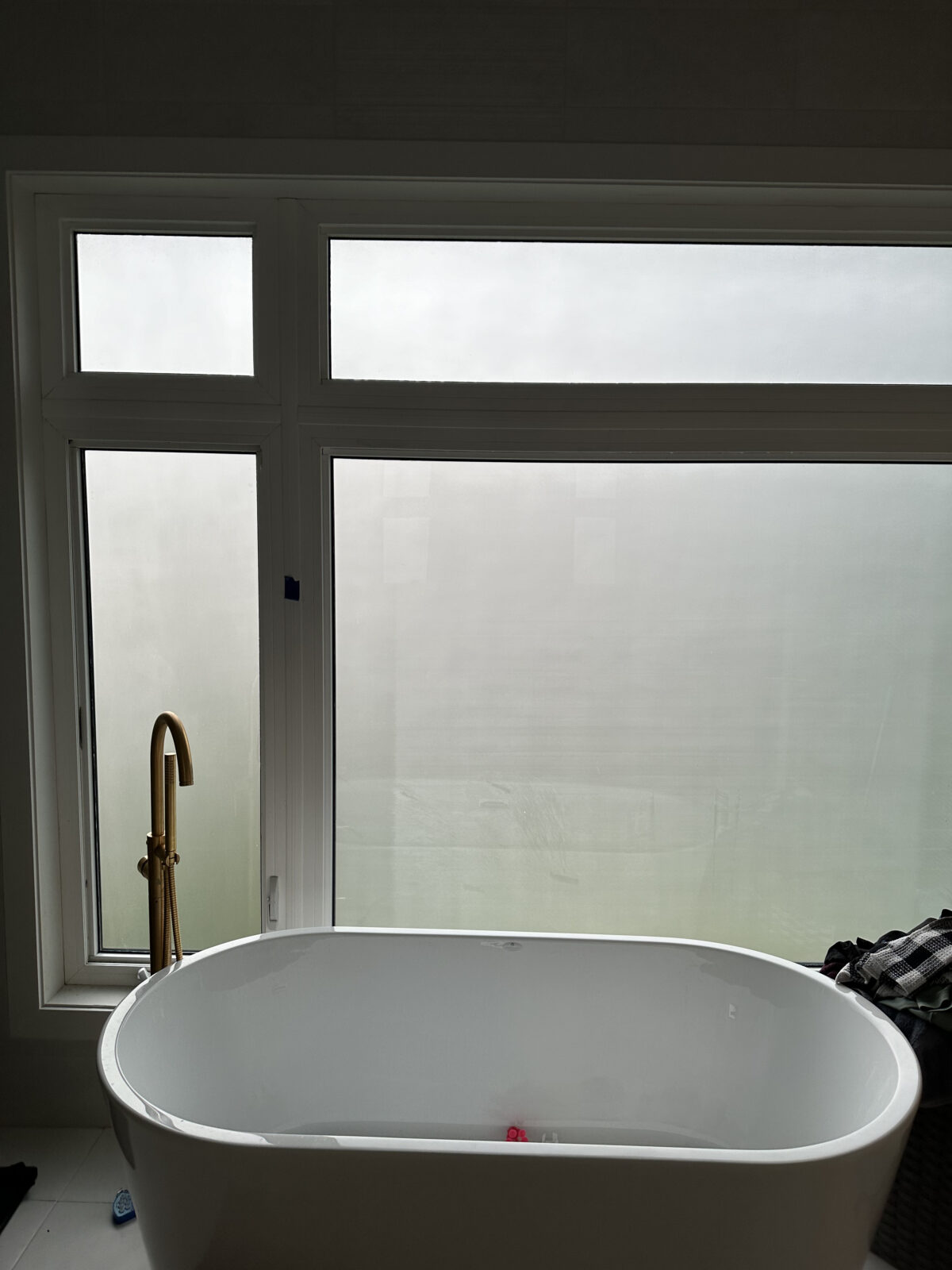
- Decorative Films: Available in various styles and patterns, these films can enhance the look of a window while offering privacy. They can be customized to include company logos or designs, providing a unique branding opportunity. Decorative films are perfect for interior spaces as well, such as conference rooms or partitions, offering a stylish alternative to traditional window coverings.
- Anti-Graffiti Films: These protect windows from vandalism and can be easily replaced if damaged. They are particularly beneficial for businesses in urban areas where graffiti is a concern. Anti-graffiti films provide a cost-effective solution for maintaining a clean and professional appearance, as they can be replaced without the need for expensive glass repairs.
How Long Does Window Tinting Last?
The lifespan of window tinting can vary based on the quality of the film and the conditions it is exposed to. Generally, high-quality window films can last anywhere from 10 to 20 years. Regular maintenance and proper installation can help maximize the lifespan of the tint. Factors such as climate, exposure to the elements, and the type of film used will affect how long the tint remains effective.
To ensure longevity, it’s important to follow the manufacturer’s maintenance recommendations, which often include gentle cleaning methods and avoiding abrasive materials. Investing in professional installation can also make a significant difference, as experts have the skills and tools necessary to apply the film correctly, preventing issues like bubbling or peeling that can shorten its lifespan.
Can Window Tinting Be Customized?
Yes, window tinting can be customized to fit the specific needs of your business. Whether you’re looking for a specific style, level of tint, or functionality, there are options available to tailor the solution to your requirements. Customization ensures that you get the most out of your investment and that the tinting aligns with your business goals. From choosing the right shade that enhances your building’s architecture to opting for films that emphasize energy savings or security, the possibilities are extensive.
Additionally, businesses can work with professionals to create custom designs that incorporate logos or specific patterns, further enhancing brand visibility and office decor. This level of personalization can also extend to choosing films that complement interior design themes, ensuring that every aspect of the business environment reflects the company’s image and values.
How Is Window Tint Installed?
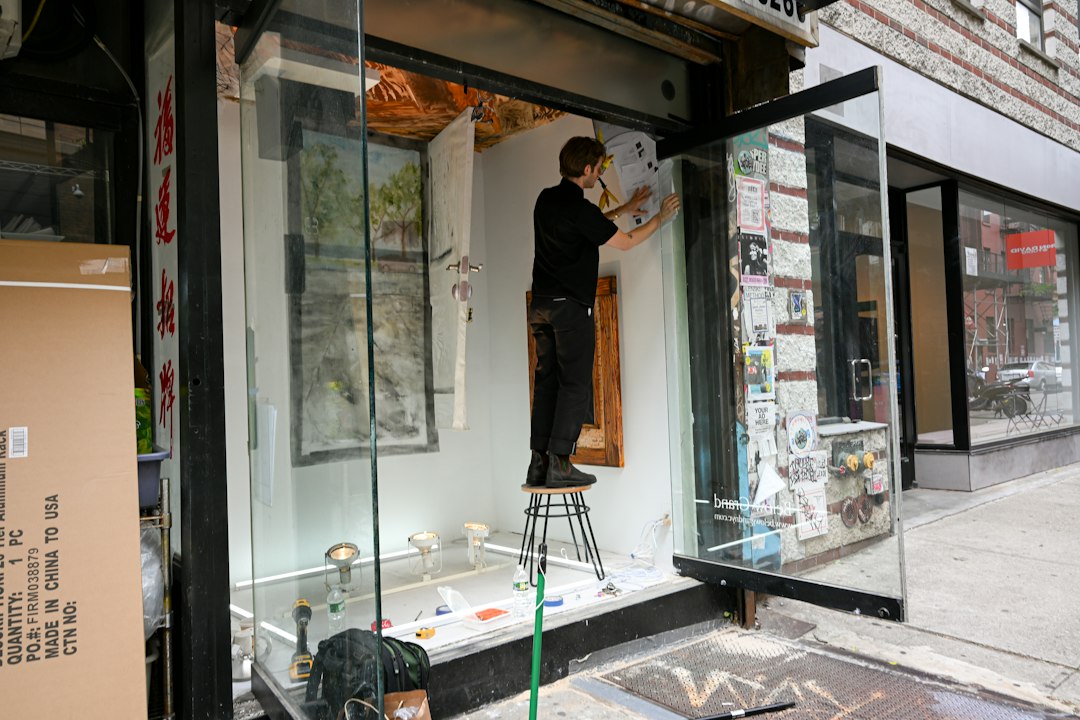
by Max (https://unsplash.com/@maxlaments)
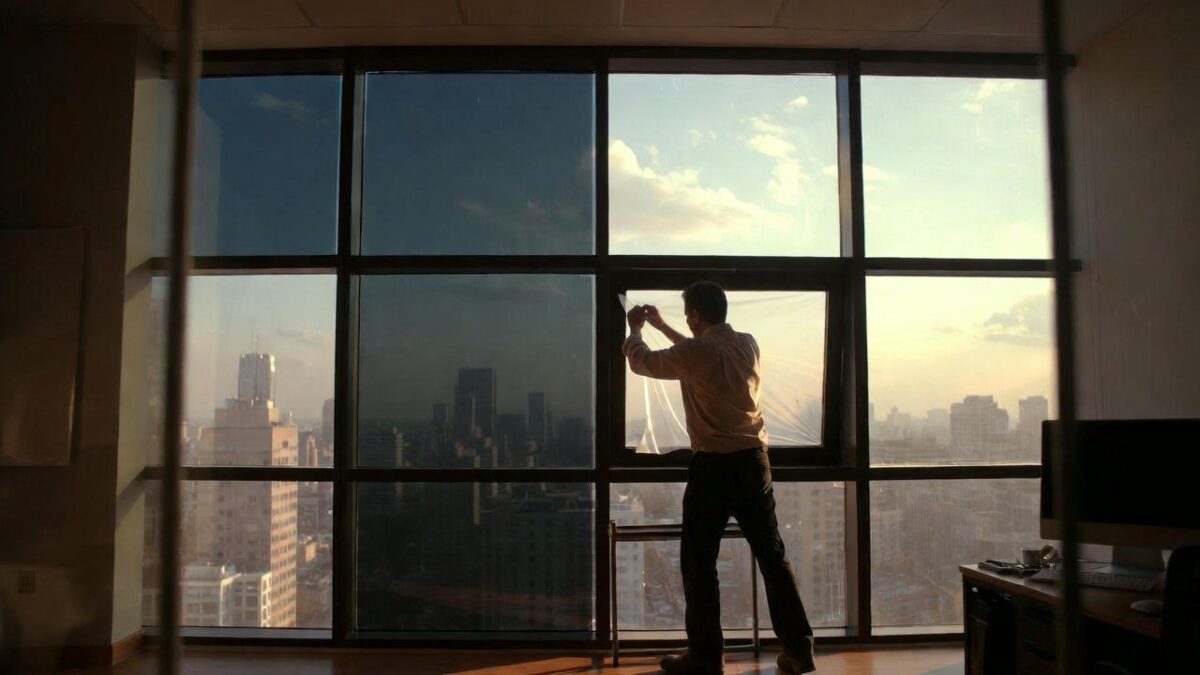
Window tint installation is a straightforward process but should be performed by professionals to ensure the best results. Here’s a brief overview of the installation process:
- Consultation and Measurement: Professionals will assess your needs and measure the windows to determine the appropriate amount of film required. This initial step ensures that the tinting solution is tailored to your specific requirements and that you understand the benefits and costs involved.
- Selection of Film: Based on your needs, the right type of film will be selected and cut to size. This step involves choosing from various films available, each offering different benefits such as UV protection, heat reduction, or aesthetic enhancement.
- Cleaning the Windows: The windows are thoroughly cleaned to ensure that the film adheres properly. Any dirt or debris left on the glass can cause imperfections in the film application, so this step is crucial for a smooth finish.
- Application of the Film: The film is carefully applied to the window surface, ensuring no air bubbles or creases. Professional installers have the expertise to handle the film with precision, using tools that help achieve a flawless application.
- Final Inspection: Once the film is applied, a final inspection is conducted to ensure everything is perfect. This inspection ensures that the film meets quality standards and that the installation was completed to your satisfaction. Any necessary adjustments are made at this stage to ensure long-term performance.
Is Window Tinting Worth the Investment?
For many businesses, window tinting is a worthwhile investment. The cost savings from reduced energy bills, increased comfort for employees, enhanced privacy, and improved building appearance often outweigh the initial cost of installation. Additionally, the long-term benefits of protecting furnishings from UV damage and reducing energy consumption make it a smart choice for eco-conscious businesses. By investing in window tinting, companies can also enhance their building’s curb appeal, potentially increasing property value and attracting more clients.
Moreover, the return on investment is not just financial; it’s also about creating a more pleasant and productive work environment. Employees who work in comfortable, well-lit spaces are generally more satisfied and productive, which can have a positive impact on business operations and customer satisfaction. The decision to tint windows is a strategic one that supports both the operational and aesthetic goals of a business.
Frequently Asked Questions
Does Window Tinting Affect Window Cleaning?
Window tinting doesn’t significantly affect window cleaning, but it’s essential to use non-abrasive cleaners and soft cloths to avoid damaging the film. Most professional window cleaning services are familiar with cleaning tinted windows. By following the recommended cleaning procedures, businesses can maintain the appearance and effectiveness of their window tint for many years.
In addition, regular cleaning helps prevent the buildup of dust and grime, which can affect the clarity and appearance of the tint. It’s advisable to establish a cleaning schedule that aligns with the manufacturer’s maintenance guidelines to ensure the longevity of the window film.
Can Window Tint Be Removed?
Yes, window tint can be removed if necessary. While it’s a durable solution, circumstances such as changes in business operations or a desire for a different look might necessitate removal. Professional services can remove the tint without damaging the underlying glass. The removal process involves using specialized tools and techniques to ensure that the glass remains intact and free of residue.
Removing window tint allows businesses the flexibility to adapt to changing needs or preferences. Whether updating the building’s appearance or switching to a different type of film, the ability to remove and replace tinting is an advantage that supports long-term business planning.
How Do I Choose the Right Tinting Solution for My Business?
Choosing the right tinting solution involves considering the specific needs of your business, such as energy efficiency, privacy, security, and aesthetic preferences. Consulting with a professional window tinting service can provide guidance and help you select the best option for your situation. Professionals can conduct a thorough assessment of your building’s requirements and recommend solutions that align with your operational goals and budget.
Additionally, reviewing case studies or testimonials from similar businesses can provide insights into the effectiveness of different tinting solutions. Understanding the experiences of others can help inform your decision and ensure that you select a tint that meets your business’s unique needs.
Conclusion
Commercial window tinting offers a range of benefits that can enhance the functionality and appearance of your business premises. By addressing common questions and providing insights into the advantages of tinting solutions, you can make an informed decision that aligns with your business objectives. Whether you’re looking to improve energy efficiency, boost privacy, or enhance aesthetics, window tinting is a valuable addition to any commercial space. In today’s competitive business environment, investing in solutions that offer both immediate and long-term benefits is a strategic move that can contribute to your company’s success and sustainability.