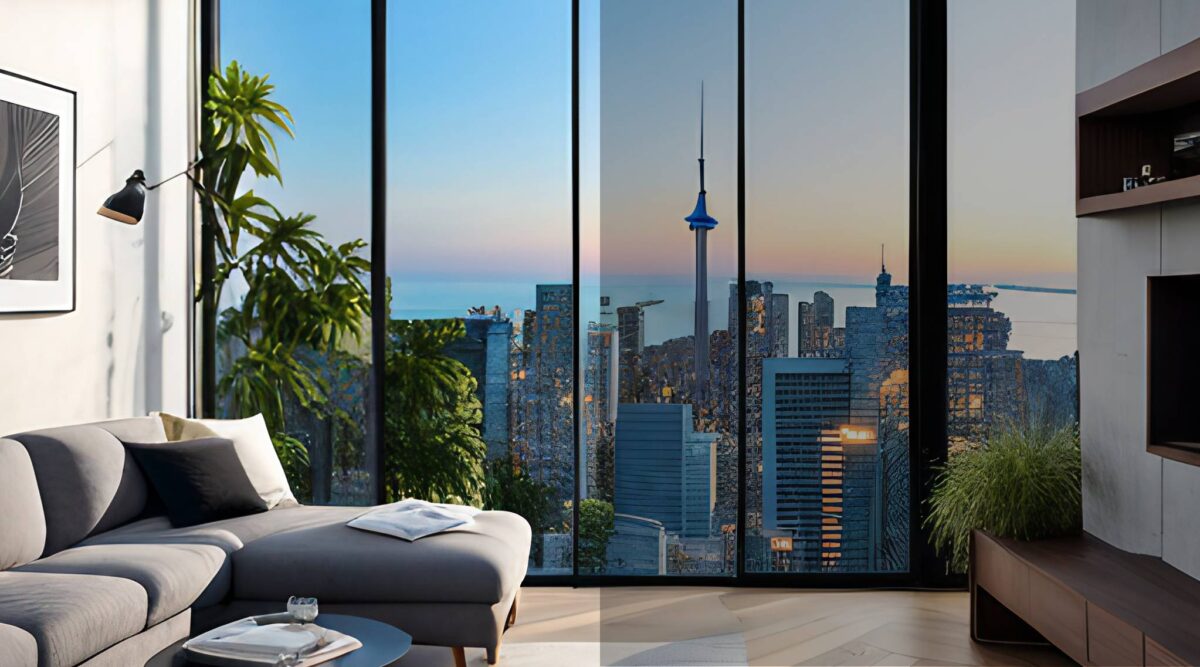

Benefits of Home Window Tint
Homeowners are increasingly turning to window tinting as a solution for several reasons:
- Energy Efficiency: Tinting can help regulate indoor temperatures by reducing heat gain during summer and heat loss in winter, leading to lower energy bills. This makes it an environmentally friendly choice that can significantly reduce a household’s carbon footprint.
- UV Protection: Like car tints, home window films can block up to 99% of UV rays, protecting your family and furnishings from harmful sun exposure. This protection extends the life of interior fabrics, flooring, and artwork, keeping your home looking fresh and vibrant.
- Enhanced Privacy: Tinted windows allow you to enjoy natural light without compromising privacy, making your home more secure. This is particularly useful in urban settings where homes are often close together, allowing for more freedom without sacrificing seclusion.
- Aesthetic Appeal: With a range of shades and finishes available, window tints can complement any interior design, adding a modern and sleek look to your home. They can also reduce glare on screens, making spaces more comfortable for work or leisure activities.
Latest Trends in Window Tinting

Smart Window Films
Smart window films are an innovative solution that allows you to control the tint level with a simple switch or remote. These films use electrochromic technology to adjust the amount of light and heat passing through the glass, providing flexibility and control over your environment. This means you can adapt your space to changing weather conditions or personal preferences, maximizing comfort and efficiency. Such technology is particularly beneficial in office settings, where light levels can be adjusted to improve productivity and comfort for workers.
Decorative Window Tints
For those looking to enhance the visual appeal of their windows, decorative tints offer a variety of patterns and designs. From frosted and etched looks to bold colors and prints, decorative window films can add a unique touch to any space. They offer a cost-effective way to create stunning visual effects that can transform ordinary glass into a statement feature. This trend is particularly popular in commercial spaces where branding and aesthetics play a crucial role in customer perception and experience.
Eco-Friendly Options
As sustainability becomes increasingly important, many manufacturers are developing eco-friendly window films made from recycled materials. These films offer all the benefits of traditional tints while minimizing environmental impact. Choosing eco-friendly films supports sustainable practices and can be a selling point for environmentally conscious consumers. Additionally, these films may qualify for green building certifications, adding value and appeal to properties aiming for sustainability.
Choosing the Right Window Tint
Selecting the perfect window tint can be overwhelming given the range of options available. With the right information, you can make a choice that not only meets your needs but also enhances your space or vehicle in multiple ways. Here’s some advice to help you make the best choice:
Consider Your Needs
Assess what you want to achieve with your window tint. Is it primarily for UV protection, heat reduction, privacy, or aesthetics? Understanding your needs will guide you in selecting the right type of film. Consider the specific challenges you face in your environment, such as extreme temperatures or high traffic areas, and choose a film that addresses those issues.
Explore Different Types of Films
- Dyed Films: These are affordable and provide basic privacy and glare reduction. However, they may not offer significant UV protection or heat reduction. They are ideal for those looking for a cost-effective solution with moderate benefits.
- Metalized Films: Known for their durability, these films are effective at blocking heat and UV rays but may interfere with electronic signals. They are suitable for environments where strong protection against sun exposure is needed.
- Carbon Films: These offer good heat reduction and do not fade over time, making them a long-lasting option. They provide a sleek, matte finish that enhances the look of any vehicle or home.
- Ceramic Films: The top-tier choice, ceramic films provide excellent heat reduction, UV protection, and clarity without any signal interference. They are the best option for those seeking high performance and longevity.
Professional Installation vs. DIY
While DIY kits are available, professional installation ensures that the film is applied perfectly, without bubbles or wrinkles, and often comes with a warranty. Professional installers have the expertise and tools to handle complex applications, such as curved glass or large surfaces. For optimal results and longevity, it’s advisable to consult with a professional installer, who can also provide guidance on the best type of film for your specific needs and environment.
Maintenance and Care for Window Tints

Proper care and maintenance can extend the life of your window tints. It’s important to follow the manufacturer’s guidelines to ensure the longevity and effectiveness of the film. Here are some tips:
- Avoid Harsh Cleaners: Use mild, non-abrasive cleaners and a soft cloth to clean your tinted windows. Avoid using ammonia-based products, as they can degrade the film over time.
- Be Gentle: When cleaning, apply gentle pressure to avoid scratching the film. Start from the top and work your way down to prevent streaks and ensure even cleaning.
- Regular Inspection: Check for any signs of peeling or bubbling, which may indicate that the film needs replacement. Early detection of issues can prevent more extensive damage and maintain the aesthetic appeal of your windows.
Conclusion
Window tinting is a versatile and beneficial enhancement for homes. By understanding the latest trends and options, you can choose a tint that meets your functional and aesthetic needs. Whether you’re looking to reduce energy costs, protect your interiors, or simply add a touch of style, window tinting offers a practical solution that caters to a variety of preferences.
Investing in professional installation and choosing the right type of film will ensure you reap the maximum benefits from your window tinting. Consider the unique needs of your space, such as climate, sun exposure, and desired privacy levels, to make the most informed decision. As you explore your options, consider how the latest window tint advice can help you achieve your goals. With the right approach, you can transform your living or driving experience into one that’s more comfortable, efficient, and stylish. Whether for practical or aesthetic reasons, window tinting is an investment that pays dividends in comfort, efficiency, and curb appeal.