Categories
Window Films and Tint

Latest Advice on Decorative Window Film

# Latest Advice on Decorative Window Film

When it comes to home improvement, window films have become a go-to solution for enhancing privacy, adding style, and improving energy efficiency. Whether you’re an interior designer looking to provide clients with cost-effective and stylish options, or a homeowner seeking to elevate your living spaces, decorative window films offer a versatile and attractive solution. In this guide, we’ll explore the latest advice on decorative window film, focusing on privacy window film, frosted window film, and decorative window film.

Decorative window film design

Decorative window films are thin, adhesive layers applied to glass surfaces. They come in a variety of designs, colors, and patterns, offering a quick and affordable way to transform windows. These films not only enhance the aesthetic appeal of your space but also offer functional benefits like increased privacy and reduced glare. Let’s delve deeper into the different types of decorative window films.

Privacy Window Film

Privacy window film is designed to obscure the view into a space while allowing light to pass through. It’s a popular choice for bathrooms, bedrooms, and offices where privacy is a priority. These films can range from simple, frosted designs to more intricate patterns, providing a stylish solution that doesn’t compromise on light.

Benefits of Privacy Window Film

  1. Enhanced Privacy: Privacy window films keep prying eyes out without the need for heavy curtains or blinds.
  2. Natural Light: These films allow natural light to fill the room, creating a bright and inviting atmosphere.
  3. Energy Efficiency: By reducing heat gain, privacy window films can help lower energy bills.

Frosted Window Film

Frosted window film mimics the appearance of frosted glass, offering a sleek and modern look. It’s ideal for both residential and commercial spaces, providing a balance between privacy and style.

Applications of Frosted Window Film

  1. Bathrooms: Frosted films are perfect for bathroom windows and shower enclosures, offering privacy without sacrificing style.
  2. Office Spaces: Used on office partitions and conference rooms, frosted films maintain an open feel while ensuring privacy.

Frosted window film application

Decorative Window Film

Decorative window films offer endless possibilities for customization. From geometric patterns to floral designs, these films can transform any space into a work of art. They’re ideal for those looking to make a bold statement or add subtle elegance.

Why Choose Decorative Window Film?

  1. Customization: With a wide range of designs available, you can find a decorative film that complements any interior style.
  2. Easy Installation: These films are easy to apply and remove, making them a versatile option for temporary or permanent use.
  3. Cost-Effective: Decorative window films are an affordable way to achieve the look of custom glass without the high price tag.

Choosing the Right Window Film for Your Needs

Selecting the right decorative window film depends on your specific needs and preferences. Here are some factors to consider:

  1. Purpose: Determine whether your primary goal is privacy, decoration, or both.
  2. Design: Choose a design that complements the interior decor of the space.
  3. Light Control: Consider how much natural light you want to let in. Some films offer more light control than others.

Installation Tips for Decorative Window Film

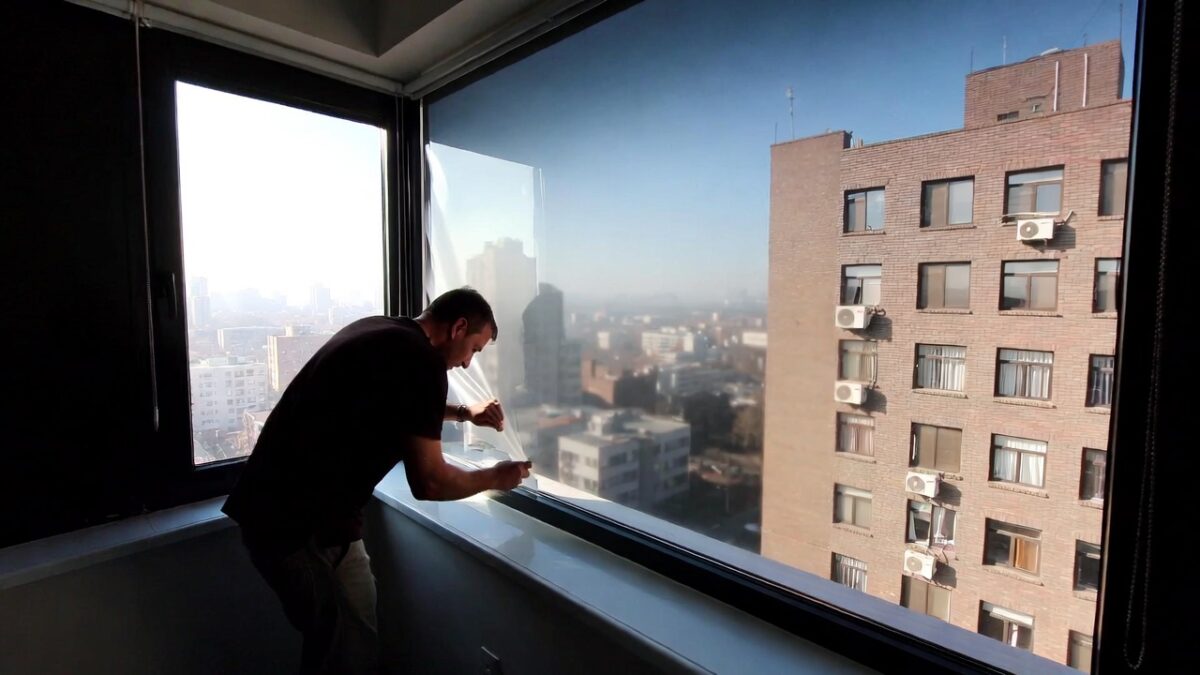
Installing window film can be a DIY project, but for best results, consider hiring a professional. Here are some tips if you decide to go the DIY route:

  1. Clean the Glass: Ensure the glass surface is clean and free of dust and debris before applying the film.
  2. Measure and Cut: Measure the window accurately and cut the film slightly larger than the window size.
  3. Application: Use a squeegee to apply the film, starting from the top and working your way down to eliminate air bubbles.
  4. Trim Excess: Once applied, carefully trim any excess film for a neat finish.

Applying window film

by Maryam F. (https://unsplash.com/@encoreunemaryam)

Maintaining Your Decorative Window Film

To keep your decorative window film looking its best, follow these maintenance tips:

  1. Gentle Cleaning: Use a soft cloth and mild detergent to clean the film. Avoid abrasive materials that could scratch the surface.
  2. Avoid Harsh Chemicals: Stay away from ammonia-based cleaners, as they can damage the film.
  3. Inspect Regularly: Check the edges of the film periodically to ensure it’s securely adhered to the glass.

Conclusion

Decorative window films offer a stylish, functional, and affordable solution for enhancing privacy, aesthetics, and energy efficiency in any space. Whether you’re an interior designer seeking innovative solutions for your clients or a homeowner looking to improve your living environment, decorative window films provide a versatile option that caters to diverse needs.

By understanding the benefits and applications of privacy window film, frosted window film, and decorative window film, you can make informed decisions that align with your design vision and practical requirements. Explore the wide range of designs and transform your spaces with the latest in decorative window film technology.

Categories
Window Films and Tint

Key Facts About Residential Window Tinting

When it comes to home improvement, residential window tinting is often overlooked, yet it offers a myriad of benefits that go beyond simply enhancing the aesthetic appeal of your home. From reducing energy bills to protecting your furniture, residential window tinting is a smart investment for any homeowner. Whether you’re an interior designer looking to offer eco-friendly solutions to your clients or a homeowner seeking to improve your living space, understanding the key facts about residential window tinting can help you make informed decisions.

Residential window with tinting film

Residential window tinting involves applying a thin film to the interior side of your home’s windows. This film is designed to reduce the amount of sunlight, heat, and UV rays that enter your home. There are various types of window films available, each offering different benefits depending on your needs.

Types of Window Films

  1. Solar Control Films: These films are designed to reduce heat and glare from the sun, making your home more comfortable and energy-efficient.
  2. Decorative Films: Available in a variety of patterns and colors, decorative films can enhance the look of your windows and provide privacy without sacrificing natural light.
  3. Security Films: These films add an extra layer of protection by holding shattered glass together, reducing the risk of injury from broken glass.
  4. UV Blocking Films: Protect your furniture, flooring, and artwork from fading by blocking up to 99% of harmful UV rays.

Benefits of Home Window Tinting

Sunlight streaming through tinted windows

Energy Efficiency

One of the most significant benefits of residential window tinting is improved energy efficiency. By reducing the amount of heat that enters your home, window films can help maintain a consistent indoor temperature. This means your air conditioning system won’t have to work as hard to keep your home cool, leading to lower energy bills.

Enhanced Privacy and Security

Window films can provide an added level of privacy by making it difficult for outsiders to see into your home. This is particularly beneficial for homes located in busy neighborhoods or for ground-floor windows. Additionally, security films can prevent glass from shattering in the event of a break-in or natural disaster, protecting your home and loved ones.

UV Protection

Prolonged exposure to UV rays can cause significant damage to your skin and eyes, as well as fade your furniture and decor. Residential window tinting can block up to 99% of UV rays, protecting both your health and your home’s interior.

Aesthetic Appeal

Decorative window films can transform the look of your windows, adding style and character to your home. With a wide range of designs available, you can choose a film that complements your interior design and enhances the overall look of your space.

How to Choose the Right Window Film

Selecting the right window film depends on your specific needs and preferences. Here are some factors to consider:

Purpose

Determine the primary reason you want window tinting. Are you looking to reduce energy bills, increase privacy, enhance your home’s appearance, or protect against UV rays? Your answer will guide you in choosing the right type of film.

Light and Heat Control

Consider the level of light and heat control you desire. Some films are designed to allow more natural light while still reducing heat, while others provide more privacy and darkness.

Aesthetic Preferences

If aesthetics are important, explore decorative films that align with your design preferences. From frosted glass looks to intricate patterns, there are many options to suit any style.

Professional Installation vs. DIY

While DIY kits are available, professional installation ensures the best results. Skilled installers can recommend the right film for your needs, ensure proper application, and provide a warranty for their work.

The Installation Process

Professional installing window film

by ihor (https://unsplash.com/@ishlpnk)

The installation process for residential window tinting is relatively straightforward but requires precision to ensure a flawless finish. Here’s what to expect:

  1. Consultation: A professional will assess your windows and discuss your goals to recommend the best film options.
  2. Preparation: The windows are thoroughly cleaned to ensure no dust or debris affects the film application.
  3. Film Application: The film is carefully applied to the window surface, with excess material trimmed away for a perfect fit.
  4. Curing: The film needs time to cure, during which it should not be disturbed to prevent bubbles or wrinkles.

Cost and Maintenance

The cost of residential window tinting varies based on the type of film and the size of the windows. However, it’s a cost-effective investment when considering the potential savings on energy bills and the extended lifespan of your home’s interior furnishings.

Maintenance is minimal. Simply clean the windows with a soft cloth and a mild, non-abrasive cleaner to avoid damaging the film.

Conclusion

Residential window tinting offers numerous benefits, from energy efficiency and UV protection to enhanced privacy and aesthetic appeal. For interior designers, it’s a stylish, eco-friendly solution that can complement any design while reducing energy costs for clients. For homeowners, it’s a practical way to enhance comfort, safety, and style.

By understanding the key facts about residential window tinting, you can make informed decisions that meet your specific needs and enhance your living space. Whether you choose to tackle the project yourself or hire a professional, the right window film can make a significant difference in your home’s comfort and efficiency.

Categories
Window Films and Tint

Advantages of Using Blackout Window Film

As a homeowner or interior designer, finding the right balance between privacy, energy efficiency, and style can be challenging. With evolving architectural and interior design trends, the demand for innovative solutions that cater to these needs is continuously growing. Blackout window film emerges as a standout option, providing a comprehensive approach to modern living requirements. In this article, we will explore the advantages of using blackout window film, including its contribution to privacy, UV protection, and energy efficiency, as well as its aesthetic appeal and ease of maintenance.

Close-up of blackout window film on a home window

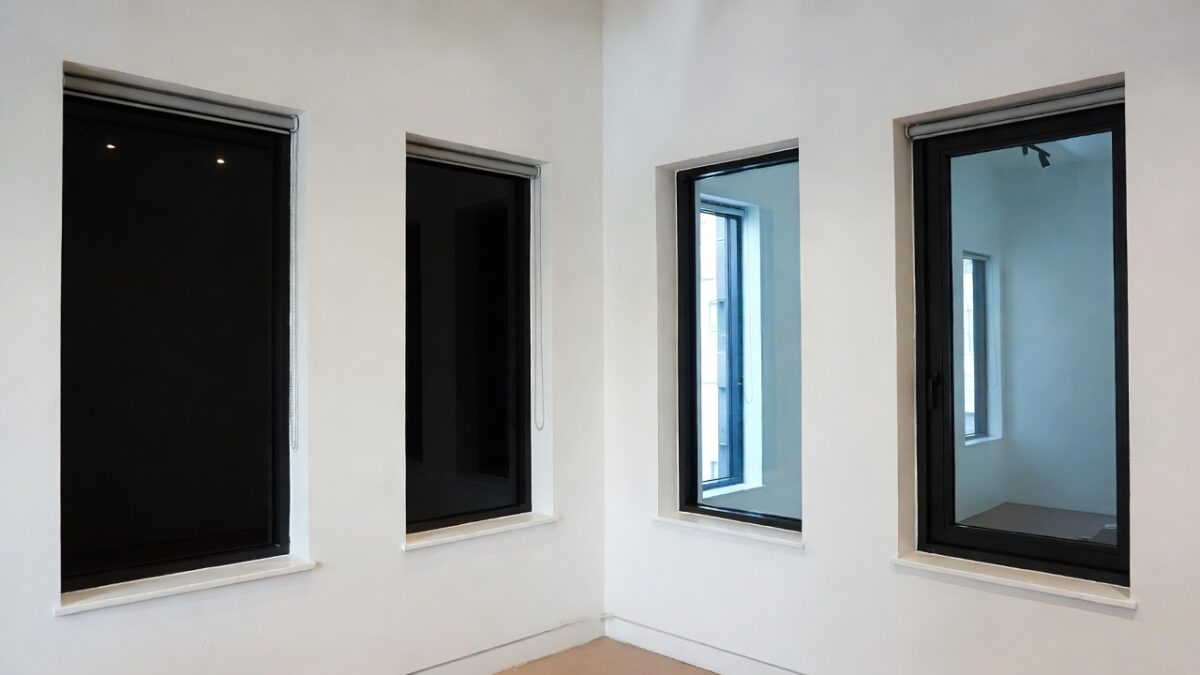
Blackout window film is a type of window treatment designed to significantly reduce the amount of light that enters a room. This film is crafted from thick, durable materials that are typically applied to the interior side of windows, creating an effective barrier against light infiltration. Unlike traditional curtains or blinds, blackout film provides a sleek, modern look while offering numerous functional benefits. Its discreet nature means it doesn’t interfere with interior aesthetics, providing a seamless blend with any design style.

Additionally, blackout window film is versatile in its application, being suitable for residential, commercial, and even industrial settings. Its adaptability means it can be used across various environments, from cozy homes to bustling office spaces, ensuring that privacy and light control are maintained without compromising on style. As a result, it has gained popularity among designers and homeowners who seek both functionality and aesthetic appeal.

Enhanced Privacy

Privacy is a common concern for both homeowners and interior designers. Blackout window film offers an effective solution by preventing outsiders from peering into your home. This is especially beneficial for ground-floor rooms or areas facing busy streets where privacy might be compromised. Its ability to obscure visibility without blocking the view from the inside allows for a perfect balance between privacy and openness.

With blackout film, you can enjoy peace of mind knowing that your personal space remains private without sacrificing natural light during the day. This makes it a particularly attractive option for urban dwellers who often face the challenge of maintaining privacy in densely populated areas. Moreover, the film’s reflective properties can further enhance privacy by acting as a one-way mirror, ensuring that your interiors remain unseen from the outside.

UV Protection

Diagram showing UV rays being blocked by window film

One of the standout features of blackout window film is its ability to block harmful ultraviolet (UV) rays. UV rays can cause significant damage to your furniture, flooring, and even your skin. By installing blackout window film, you can protect your home interiors from fading and reduce the risk of UV-related health issues. This protective barrier ensures that your investments in high-quality furnishings and artwork are preserved over time.

This UV protection is a key selling point for interior designers looking to preserve the integrity of their design work while enhancing the longevity of their clients’ furnishings. Furthermore, by minimizing UV exposure, blackout window film also contributes to healthier indoor environments, reducing potential health risks associated with prolonged UV exposure. This makes it a beneficial addition to spaces where comfort and well-being are prioritized.

Energy Efficiency and Cost Savings

Temperature Regulation

Blackout window film plays a crucial role in regulating indoor temperatures. By blocking out a significant amount of sunlight, these films help keep rooms cooler in the summer and warmer in the winter. This temperature regulation reduces the need for excessive air conditioning or heating, ultimately leading to lower energy bills. In turn, this can contribute to a more sustainable lifestyle by reducing overall energy consumption.

Furthermore, by maintaining consistent indoor temperatures, blackout window film can enhance the overall comfort of your living or working environment. This is particularly advantageous in regions with extreme weather conditions, where managing indoor temperatures can be both challenging and costly. The film acts as an additional layer of insulation, optimizing the efficiency of your existing heating and cooling systems.

Cost-Effective Solution

In addition to energy savings, blackout window film is a cost-effective solution compared to other window treatments. It offers a one-time installation cost and requires minimal maintenance, making it an attractive option for budget-conscious homeowners and designers seeking long-term value. The initial investment is often quickly offset by the reduction in energy costs and the extended lifespan of interior furnishings.

Moreover, the durability of blackout window film ensures that it remains effective for many years, providing ongoing benefits without the need for frequent replacements. This longevity, combined with its low maintenance requirements, makes it a practical choice for those looking to maximize their return on investment while enjoying the numerous benefits it offers.

Aesthetic Appeal

Modern and Sleek Design
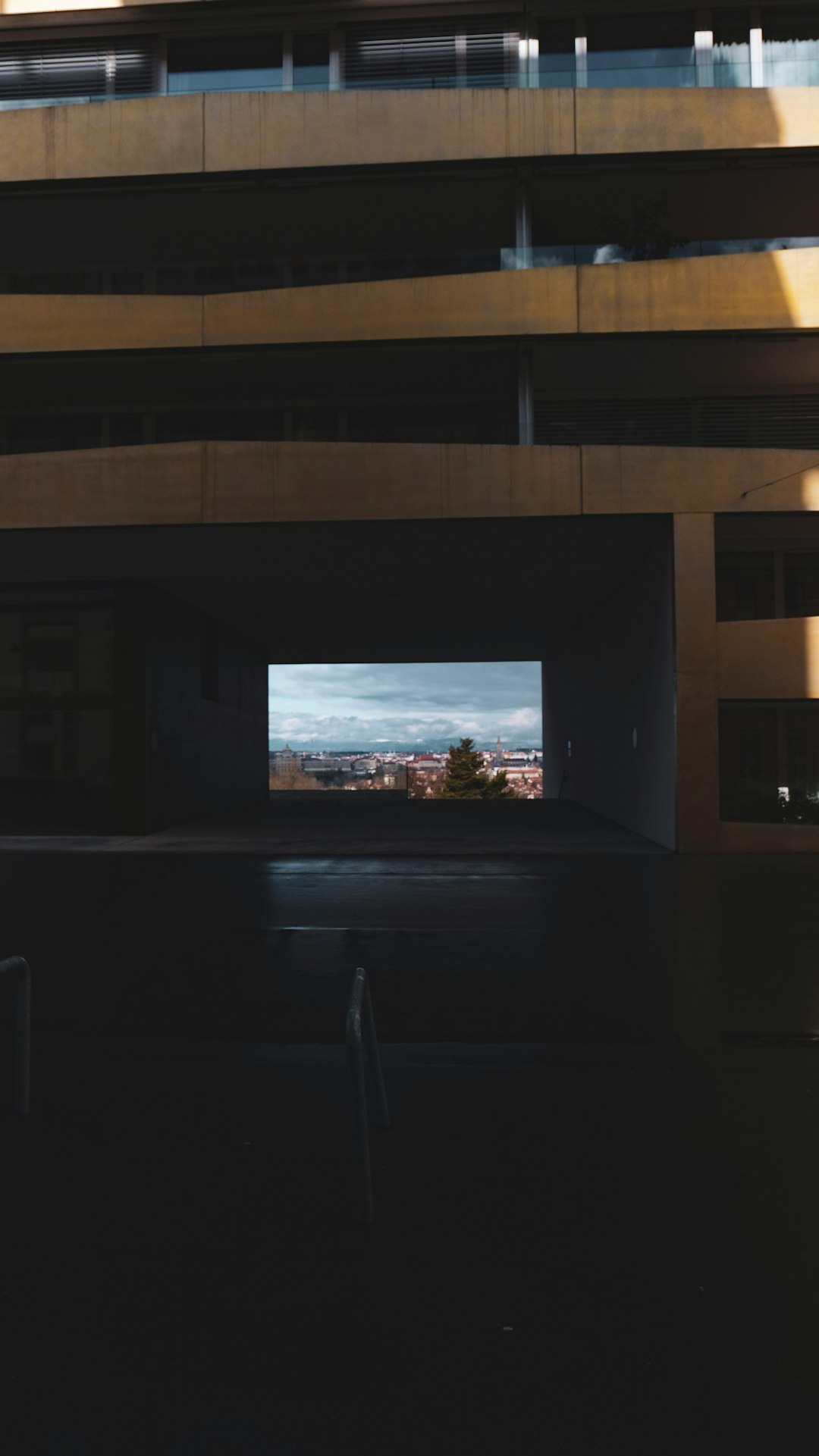
Modern living room with blackout window film

by iwin (https://unsplash.com/@mono_log)

Blackout window film provides a clean, contemporary look that complements various interior design styles. Unlike bulky curtains or blinds, window film seamlessly integrates into the window, maintaining a minimalist aesthetic. This sleek design is ideal for modern homes and offices where simplicity and elegance are prioritized. The unobtrusive nature of the film allows other design elements to shine, ensuring a harmonious and balanced interior.

The versatility of blackout window film in terms of design options means it can enhance the visual appeal of any space. Whether you’re aiming for a minimalist look or seeking to complement an existing design scheme, the film’s subtle presence can elevate the overall aesthetic without overpowering other design elements. Its ability to blend seamlessly with different styles makes it a favorite among designers seeking flexibility and creativity.

Versatile Application

Blackout window film is available in various shades and finishes, allowing for customization to suit different preferences and design requirements. Whether you prefer a completely opaque film for maximum privacy or a lighter tint that allows some natural light, there are options available to meet your needs. This versatility ensures that the film can be tailored to fit any design vision or functional requirement.

The range of available finishes, from matte to glossy, provides additional opportunities to customize the appearance of your windows. This allows homeowners and designers to experiment with different looks and achieve the desired effect, whether it’s creating a cozy, intimate atmosphere or a bright, airy space. The ability to personalize the film makes it a valuable tool in the arsenal of any creative professional.

Easy Installation and Maintenance

Simple Application Process

Installing blackout window film is a straightforward process that can be completed by professionals or confident DIY enthusiasts. The film is typically cut to size and applied to the window using a squeegee to ensure a smooth, bubble-free finish. This ease of installation means that homeowners can quickly and efficiently enhance their spaces without the hassle of complex procedures or extensive downtime.

For those who prefer professional installation, many service providers offer expert assistance to ensure a flawless application. This guarantees that the film is installed correctly and performs optimally, providing peace of mind and ensuring the longevity of the product. Whether you choose to do it yourself or enlist the help of professionals, the process is designed to be as efficient and user-friendly as possible.

Low Maintenance

Once installed, blackout window film requires minimal maintenance. Regular cleaning with a soft cloth and mild detergent is sufficient to keep the film looking pristine. Unlike traditional window treatments that require regular laundering or dusting, window film offers a hassle-free solution for busy homeowners. This low-maintenance characteristic makes it a practical choice for those with hectic lifestyles who seek to minimize household chores.

The durability of blackout window film means it is resistant to wear and tear, ensuring that it maintains its appearance and functionality over time. This resilience means that homeowners can enjoy the benefits of the film for years to come without the need for constant upkeep. Its reliability and ease of care make it an appealing option for anyone looking to simplify their home maintenance routine.

Environmental Benefits

Reduced Carbon Footprint

By improving energy efficiency, blackout window film contributes to a reduced carbon footprint. Lower energy consumption translates to fewer greenhouse gas emissions, making it an eco-friendly choice for environmentally conscious consumers. As climate change becomes an increasingly pressing issue, the adoption of sustainable solutions like blackout window film is a proactive step towards reducing environmental impact.

In addition to its direct environmental benefits, the use of blackout window film can also inspire further eco-friendly practices. By demonstrating the effectiveness of energy-saving solutions, it encourages homeowners and designers to explore other sustainable options, fostering a culture of environmental responsibility and stewardship.

Sustainable Material Options

Many manufacturers offer blackout window films made from sustainable materials. These options provide an added layer of environmental responsibility, appealing to those seeking green solutions for their homes or design projects. The use of eco-friendly materials ensures that the production and disposal of the film have minimal impact on the environment.

Choosing sustainable blackout window film not only benefits the planet but also enhances the appeal of your space. It aligns with the growing trend towards environmentally conscious living, allowing homeowners and designers to create spaces that reflect their values and commitment to sustainability. This alignment with green principles can add value to any project, making it an attractive option for those seeking to make a positive impact.

Conclusion

Blackout window film is a versatile and practical solution that offers a range of benefits for homeowners and interior designers alike. From enhanced privacy and UV protection to energy efficiency and aesthetic appeal, blackout film addresses key concerns while providing a modern, cost-effective alternative to traditional window treatments. Its adaptability and ease of use make it a valuable addition to any space.

Whether you’re looking to improve the comfort and efficiency of your home or seeking innovative solutions for clients, blackout window film is a valuable addition to any space. Consider incorporating this innovative product into your next design project or home improvement plan to enjoy its numerous advantages. By understanding and utilizing the benefits of blackout window film, you can create a more comfortable, stylish, and energy-efficient environment that meets the needs of both you and your clients. In an ever-evolving world, adopting such versatile and sustainable solutions is a step toward smarter living.
Categories
Window Films and Tint

Practical Uses for One Way Window Film

One way window film is a versatile and practical solution for homeowners and interior designers looking to enhance privacy, improve energy efficiency, and add a touch of style to any space. This innovative product allows you to see out while preventing others from seeing in during daylight, making it an ideal choice for a variety of settings. In this article, we will explore the practical uses of one way window film and how it can transform your living or working environment.

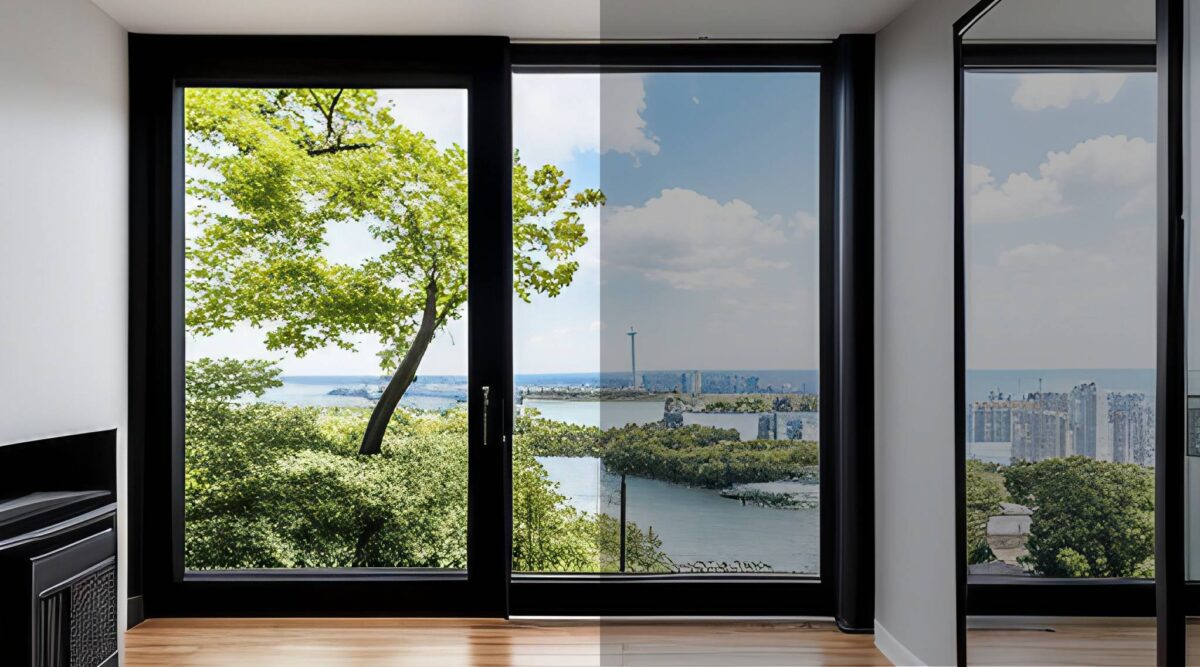
Before delving into its practical applications, it’s important to understand what one way window film is. This type of window film is designed to create a reflective effect on one side of the glass, typically the exterior side. During the day, it provides privacy by preventing people outside from seeing in, while still allowing those inside to enjoy an unobstructed view.

Window film installation process

Enhancing Privacy with Style

Perfect for Home and Office

One of the primary reasons people choose one way window film is for the privacy it offers. In residential settings, it can be used on windows facing busy streets or neighboring properties, providing peace of mind without compromising natural light. In office environments, it helps create a more confidential workspace, particularly in conference rooms or executive offices.

Stylish Design Options

One way window film is available in various designs and shades, allowing homeowners and interior designers to select options that complement the existing decor. Whether you prefer a sleek, modern look or a more traditional aesthetic, there’s a film to suit your style.

Stylish window film in modern living room

Energy Efficiency and Cost Savings

Reducing Heat and Glare

Another significant advantage of one way window film is its ability to reduce heat and glare. By reflecting sunlight away from the glass, it helps keep indoor temperatures more consistent, reducing the need for air conditioning and lowering energy bills. This makes it an eco-friendly choice for those looking to minimize their carbon footprint.

UV Protection

In addition to its energy-saving benefits, one way window film also provides protection against harmful UV rays. This helps prevent fading of furniture, carpets, and artwork, ensuring that your interiors remain vibrant and beautiful for years to come.

Versatile Applications for Every Room

Living Areas

In living rooms and family spaces, one way window film can create a cozy, private atmosphere without sacrificing natural light. It allows you to enjoy your view while keeping prying eyes at bay, making it perfect for homes with large windows or open floor plans.

Bathrooms and Bedrooms

Privacy is especially important in bathrooms and bedrooms, and one way window film offers an elegant solution. It allows you to maintain a sense of seclusion while still benefiting from natural light, creating a serene and comfortable environment.

Kitchens and Dining Areas

In kitchens and dining areas, one way window film can help control glare and heat, making these spaces more enjoyable and functional. It allows you to cook and dine in comfort, without the distraction of harsh sunlight or the intrusion of outside views.

Kitchen with window film for privacy and style

by Steffen Lemmerzahl (https://unsplash.com/@steffen_l)

Installation and Maintenance

Easy Installation Process

Installing one way window film is a straightforward process that can often be completed as a DIY project. However, for the best results, especially in larger spaces or for commercial applications, it may be beneficial to hire a professional installer. This ensures a flawless finish and optimal performance.

Low Maintenance

Once installed, one way window film requires minimal maintenance. Regular cleaning with a soft cloth and mild detergent is usually sufficient to keep it looking its best. Unlike curtains or blinds, it doesn’t collect dust or require frequent washing, making it a low-maintenance choice for busy households or offices.

Choosing the Right Film for Your Needs

Consider Your Privacy Requirements

When selecting one way window film, it’s important to consider your specific privacy needs. Films with higher reflectivity provide greater privacy but may reduce visibility from the inside when it’s dark outside. Balancing these factors will help you choose a film that meets your requirements.

Evaluate Design Preferences

With a wide range of design options available, take the time to evaluate which styles and colors best suit your space. Whether you’re looking for a subtle, neutral film or a bold, decorative pattern, there’s something to suit every taste.

Assess Energy-Saving Features

For those focused on energy efficiency, look for films that are specifically designed to reflect heat and reduce energy consumption. These films often come with energy ratings that can help you make an informed decision.

Conclusion

One way window film is a practical and stylish solution for enhancing privacy, improving energy efficiency, and adding a modern touch to any space. Whether you’re a homeowner looking to upgrade your living environment or an interior designer seeking cost-effective solutions for your clients, this versatile product offers numerous benefits. By understanding the unique features and applications of one way window film, you can make an informed decision that enhances both the functionality and aesthetics of your home or office.

Categories
Window Films and Tint

How to Maximize Uv Blocking Window Film

In the realm of home improvement, UV blocking window film stands out as an innovative solution that merges functionality with aesthetics. By blocking harmful UV rays, these films protect your interiors while also enhancing energy efficiency. Whether you’re an interior designer aiming to offer clients eco-friendly solutions or a homeowner seeking to improve your living space, understanding how to maximize the benefits of UV blocking window film is crucial. In this guide, we’ll walk you through the essentials of UV protection film and how it can be a game-changer for your home.

Sunlight through window film

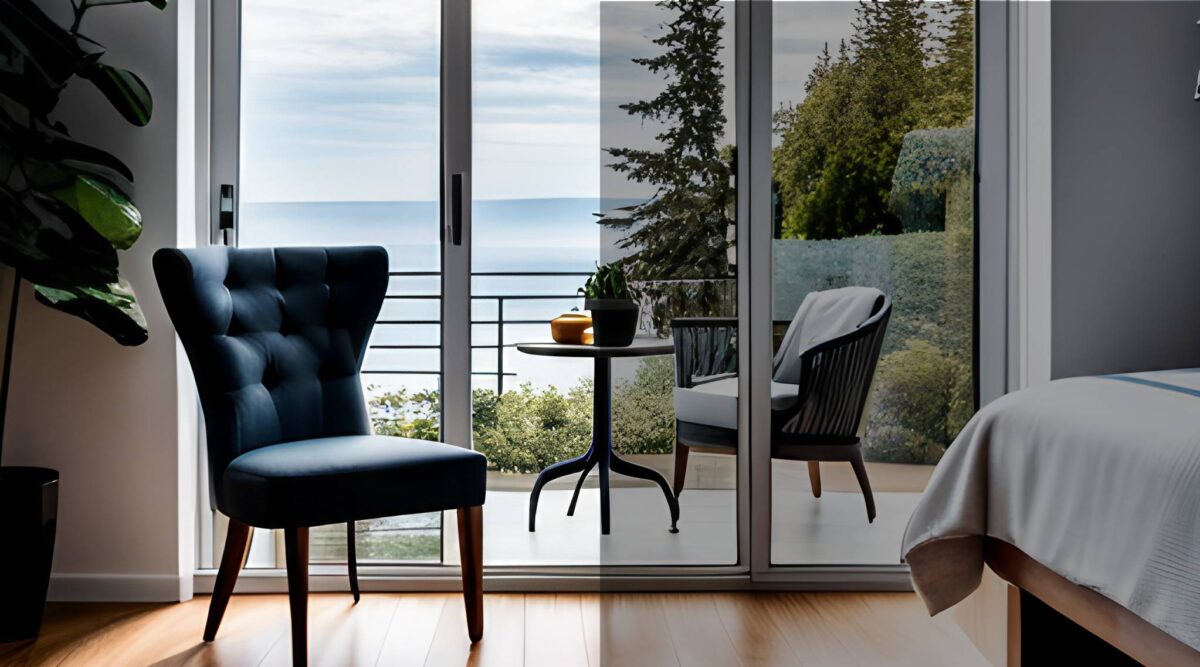
Before diving into the how-tos, it’s important to understand what UV blocking window film is. This film is a thin laminate designed to be applied to the interior or exterior of glass surfaces in homes and buildings. The primary function of UV protection film is to block the sun’s harmful ultraviolet rays, which can cause damage to skin and furnishings and increase energy costs.

Benefits of UV Blocking Window Film

UV blocking window film offers a myriad of benefits that go beyond just protection from the sun’s rays. Here are some key advantages:

  • Protection Against UV Rays: The film blocks up to 99% of harmful UV rays, safeguarding your skin and preventing fading of furnishings and flooring.
  • Energy Efficiency: By reflecting heat away from the window, these films help maintain indoor temperatures, reducing the need for air conditioning and lowering energy bills.
  • Glare Reduction: Enjoy natural sunlight without the discomfort of glare, which can be particularly beneficial in home offices or living rooms with screens.
  • Enhanced Privacy and Security: Some films offer additional privacy by making it difficult for outsiders to see in, while also holding glass together in case of breakage.

Choosing the Right UV Blocking Window Film

Different types of window films on display

Selecting the right window film is vital for maximizing UV protection while complementing your home’s aesthetic. Here are factors to consider when choosing your film:

Consider the Level of UV Protection

Not all films are created equal. Some offer higher levels of UV protection than others. Look for films that block at least 99% of UV rays to ensure optimal protection for your interiors.

Assess the Visible Light Transmission (VLT)

Visible Light Transmission refers to the amount of visible light that passes through the window film. Higher VLT means more natural light enters the room. Depending on the room’s use, you may prefer a film with a lower VLT for privacy or a higher VLT for brightness.

Evaluate Aesthetic Preferences

Window films come in various shades and finishes, from clear to tinted or reflective. Choose a film that complements your interior design while meeting your functional needs. For instance, a frosted film might offer a modern touch to a bathroom window, while a reflective film could enhance a home office’s privacy.

Installation and Maintenance

Consider whether you’ll install the film yourself or hire a professional. Professional installation ensures a perfect fit and finish, while some films are designed for easy DIY application. Maintenance is minimal, typically involving gentle cleaning with a non-abrasive solution and cloth.

Installation Tips for Maximizing UV Protection

Professional installing window film

by Bridget Adolfo (https://unsplash.com/@bridgetadolfo)

Proper installation is key to maximizing the effectiveness of UV blocking window film. Here are some tips to ensure you get the most out of your film:

Prepare the Surface

Clean the window thoroughly before applying the film. Any dirt or residue can prevent the film from adhering properly and reduce its effectiveness.

Use Quality Tools

Invest in a quality squeegee and utility knife for a smooth application. This will help remove air bubbles and ensure the film is cut to the exact size of your window.

Follow Manufacturer Instructions

Each film is unique, so be sure to read and follow the manufacturer’s installation instructions carefully. This ensures the film performs as expected and lasts for years to come.

Consider Professional Installation

For large or complex window shapes, professional installation might be the best choice. Professionals have the experience and tools necessary to apply the film without bubbles or creases, ensuring a seamless finish.

Maintaining Your UV Blocking Window Film

Once installed, maintaining your window film is simple but important for longevity and performance.

Cleaning Tips

  • Use Mild Cleaners: Avoid harsh chemicals. Instead, use a mild soap and water solution.
  • Soft Cloths Only: Use a soft cloth or microfiber towel to avoid scratching the film.
  • Regular Cleaning: Clean the film regularly to maintain its appearance and effectiveness.

Inspect for Damage

Regularly inspect your window film for any signs of wear or damage. If you notice peeling or bubbling, it might be time to replace the film to maintain optimal UV protection.

Real-World Applications and Success Stories

Many homeowners and businesses have successfully implemented UV blocking window films to great effect. For example, a local boutique utilized reflective window film to protect its merchandise from sun damage while maintaining a stylish storefront appearance. Similarly, a residential client found that after installing UV protection film, their energy bills decreased significantly, and their hardwood floors remained vibrant and untarnished.

Conclusion: Elevate Your Space with UV Blocking Window Film

UV blocking window film is a versatile and effective solution for anyone looking to protect their home from the sun’s harmful rays while enhancing energy efficiency and privacy. By choosing the right film and following proper installation and maintenance practices, you can enjoy a more comfortable and protected living space.

Whether you’re an interior designer seeking to offer clients eco-friendly solutions or a homeowner aiming to improve your living environment, UV blocking window film provides an excellent option. Embrace this innovative home improvement solution and experience the myriad benefits it brings.

Categories
Window Films and Tint

Detailed Insights Into Heat Reflective Window Film

heat reflective window film application

In an era where energy efficiency is increasingly becoming a priority, heat reflective window films are gaining popularity. As an interior designer, you are constantly on the lookout for solutions that not only enhance the aesthetics of a space but also contribute to energy savings. This is where heat reflective window films come into play. They offer a multitude of benefits, making them a valuable addition to your design toolkit.

Understanding Heat Reflective Window Film

What Is Heat Reflective Window Film?

Heat reflective window film is a thin layer of polyester applied to glass surfaces. It’s designed to reflect solar heat, reduce glare, and protect interiors from UV rays. By doing so, it enhances the comfort of a living space while contributing to energy efficiency.

This film works by reflecting a significant amount of solar heat back outside, preventing it from entering through the windows. This function helps to maintain a consistent indoor temperature, which can significantly reduce the need for air conditioning during the hot months.

Key Benefits of Heat Reflective Window Film

Energy Efficiency

One of the primary advantages of reflective window film is its energy efficiency. By reflecting solar heat, these films help maintain a stable indoor environment, reducing the reliance on heating and cooling systems. This can lead to significant energy savings, which is a major selling point for cost-conscious clients.

UV Protection

UV protection with window film

Prolonged exposure to UV rays can cause fading and damage to interior furnishings. Heat reflective window films block up to 99% of harmful UV rays, thereby protecting the longevity of your client’s furniture and flooring. This protection is particularly beneficial for preserving the vibrancy of colors in interior design.

Enhanced Privacy

Reflective window films also offer privacy benefits. During the day, they provide a mirrored effect on the exterior, making it difficult for outsiders to see inside. This feature is ideal for homes located in busy areas or for rooms that require additional privacy without sacrificing natural light.

Glare Reduction

The glare from the sun can be a nuisance, especially in rooms with large windows or electronic devices. Reflective films reduce glare, allowing for a more comfortable viewing experience and making spaces more pleasant for work or leisure.

Applications and Aesthetics

Versatility in Design

Heat reflective window films are versatile and can be integrated into various design styles. They are available in different shades and finishes, allowing you to choose options that best suit your client’s aesthetic preferences. Whether you’re aiming for a minimalist look or a more traditional style, there’s a reflective film to match.

Installation Considerations

window film installation process

by Sergey Kvint (https://unsplash.com/@koshiera)

When considering the installation of reflective window films, it’s important to work with a professional installer to ensure optimal performance and longevity. An expert can tailor the installation to meet specific design and functional needs, ensuring a seamless integration with the existing decor.

Complementing Interior Design

Reflective films can complement interior design by adding a sleek and modern touch to windows. They can enhance the overall look of a space without overwhelming the existing decor. Furthermore, the reflective surface can create interesting visual effects, adding depth and dimension to interiors.

Choosing the Right Film for Your Project

Assessing Client Needs

Before selecting a reflective window film, it’s essential to assess your client’s specific needs. Consider factors such as the orientation of the windows, the primary purpose of the film (energy efficiency, privacy, glare reduction), and aesthetic preferences. This assessment will guide you in recommending the most suitable film for their space.

Evaluating Quality and Performance

Not all window films are created equal. It’s important to evaluate the quality and performance of different options. Look for films with high solar reflectance, strong UV protection, and durability. Additionally, consider the warranty offered by manufacturers, as this can be an indicator of the product’s longevity and reliability.

Professional Consultation

Consulting with a professional installer or supplier can provide valuable insights into the latest advancements in window film technology. They can offer recommendations based on their expertise and experience, ensuring you select the best product for your client’s needs.

The Long-term Value of Heat Reflective Window Film

Cost Savings and Return on Investment

While the initial investment in heat reflective window films may be higher than other window treatments, the long-term benefits outweigh the costs. The energy savings achieved through reduced heating and cooling demands can lead to a substantial return on investment over time. Additionally, the protection provided against UV damage can extend the life of interior furnishings, further enhancing the value of the investment.

Environmental Impact

By reducing energy consumption, heat reflective window films contribute to a more sustainable and eco-friendly lifestyle. They help lower carbon footprints by minimizing the need for artificial cooling, making them an excellent choice for environmentally conscious clients.

Enhancing Property Value

Installing heat reflective window films can also enhance the overall value of a property. Potential buyers may be attracted to the energy efficiency and privacy benefits offered by these films, making it a desirable feature in the real estate market.

Conclusion

Heat reflective window films are a practical and stylish solution for interior designers seeking to enhance aesthetics, improve energy efficiency, and provide privacy for their clients. By understanding the benefits and applications of these films, you can confidently incorporate them into your design projects, delivering both functional and aesthetic value. As a trusted expert, you have the opportunity to guide your clients toward innovative solutions that enhance their living spaces while aligning with their personal and environmental values.