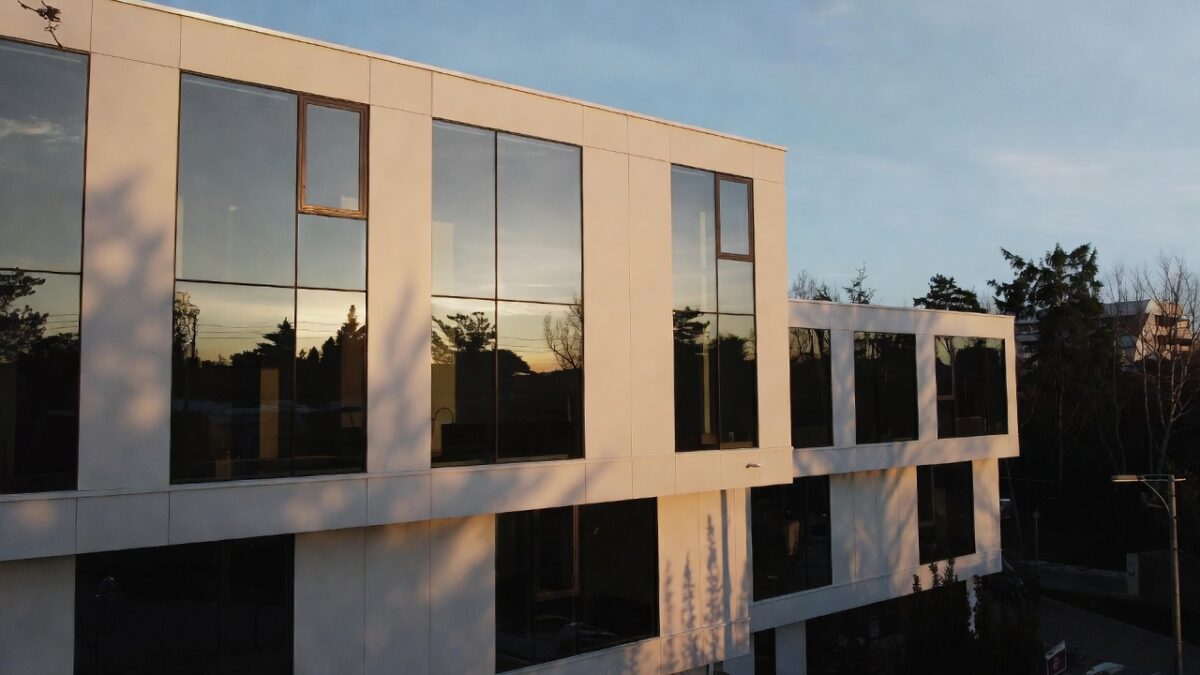
Applying one way window film is an excellent way to enhance the privacy of your living space without sacrificing natural light. This innovative solution offers a dual advantage—it allows you to see outside clearly while preventing outsiders from seeing in during daylight. If you’re considering this option to improve privacy and energy efficiency, this guide will walk you through the effective ways to apply one way window film in your home.
Before delving into the application process, it’s essential to understand what one way window film is. Essentially, it’s a type of privacy window film that reflects light on one side, creating a mirrored effect. This effect ensures that while you can enjoy the view from inside your home, passersby cannot see into your living space during daylight hours.

Benefits of One Way Window Film
One way window film isn’t just about privacy. It also offers a host of other benefits:
- Energy Efficiency: By reflecting sunlight, these films can help reduce heat buildup in your home, lowering cooling costs.
- UV Protection: They block harmful UV rays, protecting your furniture and flooring from fading.
- Aesthetic Appeal: With a sleek, modern look, one way window films can enhance the overall appearance of your home.
Preparing for Application
To ensure a smooth application process, proper preparation is key. Here’s what you’ll need:
- Cleaning Supplies: A squeegee, spray bottle, and a lint-free cloth.
- Cutting Tools: A utility knife or scissors for trimming the film.
- Application Solution: Typically, a mixture of water and a few drops of dish soap in a spray bottle works well.
Step-by-Step Preparation
- Clean the Windows Thoroughly: Begin by washing your windows with a glass cleaner or a soap solution. Any dirt or dust can cause bubbles and imperfections in the film.
- Measure and Cut the Film: Measure your windows accurately and cut the film slightly larger than the window pane. This extra margin will allow for adjustments during application.

Applying the One Way Window Film
Now that you have your materials ready and windows prepped, it’s time to apply the film. Follow these steps for best results:
Step 1: Wet the Window
Spray the window generously with your application solution. This step is crucial as it allows the film to slide into position and helps eliminate air bubbles.
Step 2: Position the Film
Peel the backing from the film and place it onto the wet window surface. Starting at the top, align the film with the window edge and let it gently adhere to the wet glass.
Step 3: Smooth Out the Film
Using a squeegee, begin smoothing the film from the center towards the edges. This process helps remove air bubbles and excess solution, ensuring a firm bond with the glass.
Step 4: Trim Excess Film
Once you are satisfied with the film’s position, trim the excess material using a utility knife or scissors. Cut along the edge of the window frame for a precise fit.

by Foad Roshan (https://unsplash.com/@rfrsrh)
Step 5: Final Touches
Inspect the film for any remaining bubbles or imperfections. Use the squeegee to address these, ensuring a smooth and bubble-free application.
Maintenance and Care
After applying the film, it’s important to maintain it properly to ensure longevity and effectiveness:
- Avoid Cleaning for a Few Days: Allow the film to set for at least a week before cleaning the windows again.
- Gentle Cleaning: Use a soft cloth and mild soap solution for cleaning to avoid scratching the film.
- Regular Inspections: Periodically check for any peeling or damage, especially at the edges, and address these promptly to prevent further issues.
Real-World Applications
Many homeowners and interior designers are turning to one way window films for both practical and aesthetic reasons. For instance, in urban environments where homes are close together, these films offer an ideal privacy solution without the need for heavy drapes or blinds.
Case Study: Modern Home Design
Consider a modern apartment with large windows that offer stunning city views. The interior designer chooses one way window film to maintain those views while ensuring privacy. The film also contributes to the apartment’s energy efficiency, reducing the need for air conditioning during hot summer months.
Conclusion
One way window film is a versatile solution that balances privacy, energy efficiency, and style. Whether you’re an interior designer looking to enhance a client’s space or a homeowner aiming for more privacy, applying this film is a straightforward process with numerous benefits.
By following the steps outlined in this guide, you can achieve a professional-quality installation that enhances your home’s comfort and aesthetic appeal. With minimal maintenance, your windows will remain a functional and stylish feature of your home.
Consider the broader impact of this choice—not just on privacy and energy savings, but also on the overall ambiance and value of your living space. Embrace the innovation of one way window films and transform your home into a sanctuary of comfort and style.“`