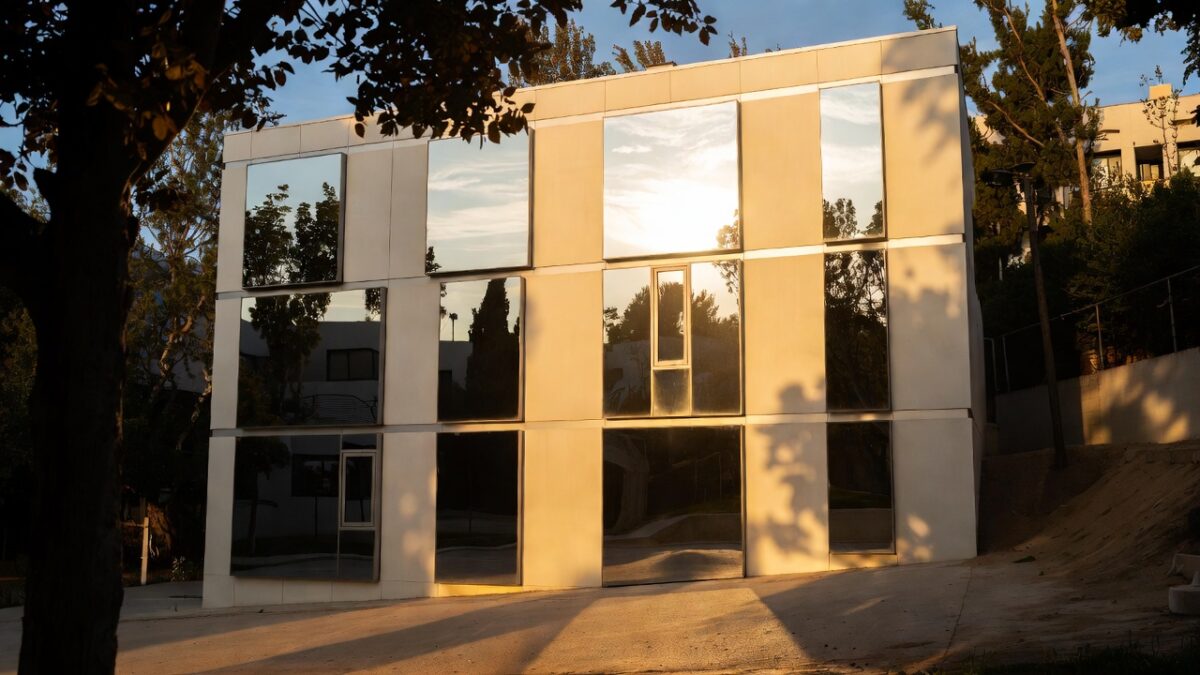
In the realm of home improvement, heat reflective window film has emerged as a transformative solution for homeowners looking to enhance comfort and energy efficiency. These films are not only about aesthetic appeal but also offer practical benefits like reducing energy consumption, increasing privacy, and protecting interiors from harmful UV rays. As a professional with expertise in window film installations, I aim to shed light on the latest advice concerning heat reflective window films and why they could be a crucial addition to your living space.

Heat reflective window film is designed to reflect a significant portion of the sun’s heat away from windows. This is achieved through a thin layer of metallic particles or ceramic compounds that reduce the amount of heat and glare entering through the glass. By blocking out a substantial percentage of the sun’s rays, these films help maintain a comfortable indoor temperature, reducing the reliance on air conditioning systems.
Benefits of Heat Reflective Window Film
The benefits of heat reflective window film extend beyond merely keeping your home cooler. Here are some notable advantages:
- Energy Efficiency: By reducing the heat entering your home, these films lower the demand on air conditioning units, leading to energy savings and reduced utility bills.
- UV Protection: Heat reflective films block up to 99% of harmful UV rays, protecting your furniture, flooring, and artwork from fading.
- Enhanced Privacy: Certain films provide one-way visibility, offering privacy during the day without compromising natural light.
- Glare Reduction: By minimizing glare, these films improve comfort for tasks like reading or watching television.
Types of Window Films: A Closer Look

When considering window films, it’s essential to understand the various types available, each designed to meet specific needs:
Window Insulation Film
Window insulation film is primarily aimed at enhancing thermal insulation. It forms a barrier that reduces heat exchange between the interior and exterior, keeping homes warmer in winter and cooler in summer. This type is particularly beneficial for older homes with single-pane windows that lack insulation.
Privacy Window Film
Privacy window films are perfect for areas where you need extra privacy without sacrificing light. These films are often used in bathrooms or street-level windows, offering a frosted or tinted appearance that obscures visibility from the outside while allowing light to pass through.
Decorative Window Film
For those focused on aesthetics, decorative window films provide a stylish element to any window. Available in various patterns and colors, they can mimic the look of etched or stained glass, adding a unique touch to your interior design.
Installation Process: Professional vs. DIY

by Bridget Adolfo (https://unsplash.com/@bridgetadolfo)
The success of window film largely depends on proper installation. While some homeowners opt for DIY, hiring a professional ensures precision and longevity.
DIY Installation
DIY kits are widely available and come with instructions for installation. While this can be a cost-effective option, it requires careful attention to detail to avoid bubbles, wrinkles, and improper adhesion. The key steps include:
- Thoroughly cleaning the window surface to remove any dirt or grime.
- Measuring and cutting the film to fit the window dimensions accurately.
- Applying the film using a squeegee to remove air bubbles and ensure a smooth finish.
Professional Installation
Engaging professionals offers peace of mind and guarantees quality results. Professional installers bring expertise and specialized tools to the table, ensuring that the film is applied seamlessly and adheres properly to the glass surface. They also offer valuable advice on the best film types for your specific needs.
Maintenance and Longevity
One of the appealing aspects of heat reflective window films is their durability. With proper care, these films can last for many years. Here’s how you can maintain them:
- Cleaning: Use a soft cloth or sponge with a mild soapy water solution to clean the film. Avoid abrasive cleaners or brushes that might scratch the surface.
- Inspection: Regularly check the edges for signs of peeling or bubbling, which might indicate it’s time for a replacement or professional assessment.
Environmental Impact and Cost Savings
Investing in heat reflective window film is not only beneficial for your home’s comfort and aesthetics but also has a positive environmental impact. By reducing energy consumption, these films lower your carbon footprint, contributing to a more sustainable lifestyle.
Cost Considerations
While the initial cost of installation may vary depending on the type and size of the film, the long-term savings on energy bills make it a worthwhile investment. Additionally, by protecting your interiors from UV damage, you can extend the lifespan of your furnishings and decor, saving money on replacements.
Conclusion
Heat reflective window films offer an effective solution for homeowners and interior designers seeking to improve energy efficiency and aesthetics. By understanding the different types available and the benefits they offer, you can make informed decisions that align with your design goals and lifestyle needs.
Whether you choose to take on a DIY project or hire a professional installer, the key is to select the right film for your specific requirements. With the latest advancements in window film technology, you can enhance your living space while enjoying comfort, privacy, and savings.
For those in the home improvement and interior design industries, staying updated on the latest window film innovations can provide clients with solutions that are both practical and stylish. Embrace the benefits of heat reflective window films and transform the way you experience your home.