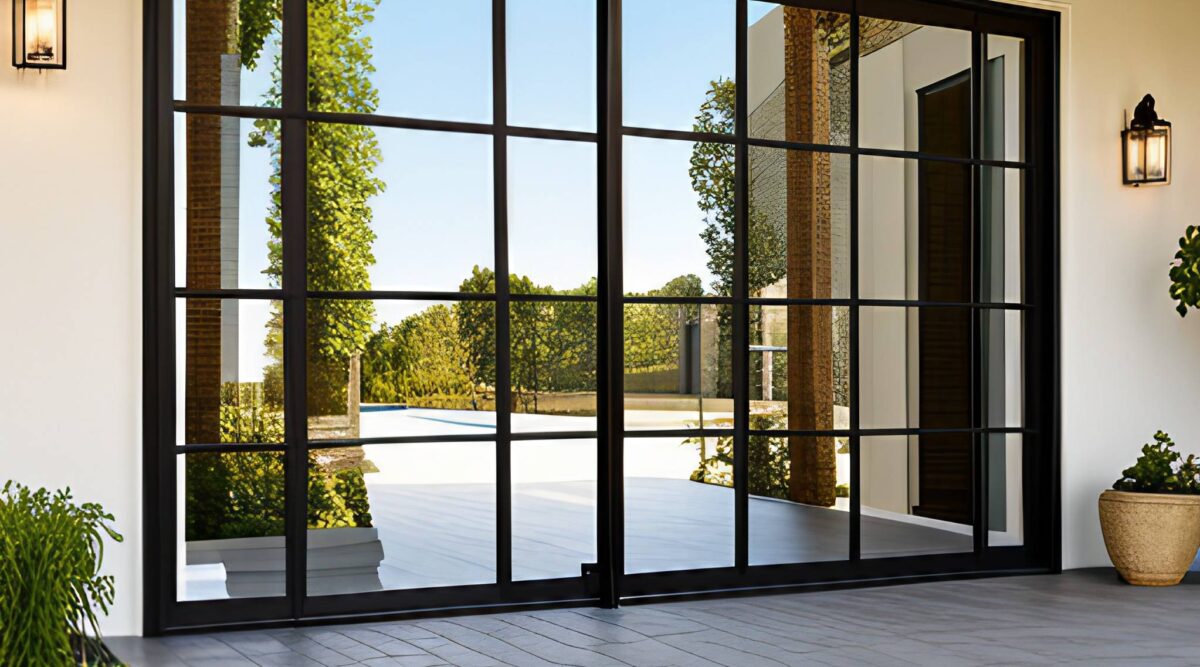
When it comes to enhancing both the privacy and energy efficiency of your home, mirror window film is a top contender. As an interior designer, you strive to find solutions that marry style and functionality, and mirror window film is a perfect example of that balance. In this article, we will delve into the world of mirror window films, exploring their benefits, installation, and how they can seamlessly integrate into your interior design projects.

Mirror window film, also known as reflective window film, is a specialized product designed to increase privacy while reducing energy costs. This film is applied to the interior or exterior of glass windows and doors, creating a mirrored effect that blocks outsiders from seeing inside during daylight hours. At the same time, it lets natural light in, maintaining the brightness in the room.
Why Choose Mirror Window Film?
Mirror window films offer a myriad of benefits that make them an attractive choice for both residential and commercial spaces. Let’s explore some of these advantages.
Enhanced Privacy
Privacy is a significant concern for many homeowners and businesses. Mirror window film acts as a one-way mirror, allowing you to see outside while preventing prying eyes from peering in. This feature is particularly beneficial for street-facing windows and offices in busy areas.
Energy Efficiency
Reflective window film can significantly reduce energy costs by blocking up to 80% of the sun’s heat. This means less reliance on air conditioning during hot months, leading to lower energy bills. The film also reduces glare, which can be a major annoyance and can cause eye strain.
Aesthetic Appeal
Mirror window film can add a sleek, modern touch to any building. With various shades and reflectivity levels available, you can customize the look to fit your design goals. This versatility makes it a valuable tool for interior designers aiming to enhance both the function and appearance of their clients’ spaces.
UV Protection
The sun’s ultraviolet rays can cause damage to furniture, flooring, and artwork over time. By blocking up to 99% of UV rays, mirror window film helps protect interior furnishings from fading and deterioration, preserving your clients’ investments.
Installing Mirror Window Film

Proper installation is crucial to maximizing the benefits of mirror window film. Here’s what you need to know to ensure a successful application.
Professional vs. DIY Installation
While some may consider installing window film themselves, hiring a professional ensures the best results. Professionals have the expertise and tools to apply the film without bubbles or creases, which can compromise its effectiveness and appearance. Additionally, professional installation often comes with a warranty, providing peace of mind.
Preparing for Installation
Before installation, it’s important to clean the windows thoroughly to remove any dirt or debris that could interfere with the adhesive. Measure the windows accurately to ensure the film fits perfectly. Professional installers will handle these tasks, but if you’re opting for a DIY approach, take your time to prepare the windows properly.
Post-Installation Care
After installation, avoid cleaning the windows for at least a week to allow the adhesive to set. Once cured, clean the windows with a soft cloth and a mild, non-abrasive cleaner to maintain the film’s clarity and effectiveness.
Integrating Mirror Window Film into Interior Design

by Austin (https://unsplash.com/@austin_7792)
For interior designers, the challenge is to integrate functional elements like mirror window film without compromising the aesthetic vision. Here are some tips on how to effectively incorporate this film into your designs.
Complementing Design Themes
Reflective window films are available in various shades and styles, allowing you to choose an option that complements your client’s design theme. For a modern look, opt for a high-reflectivity film with a sleek, metallic finish. For a more understated elegance, select a softer, tinted film.
Balancing Natural Light
One of the key features of mirror window film is its ability to control natural light. Position the film strategically to enhance natural light in key areas, creating a bright and welcoming atmosphere. This is especially beneficial in spaces where artificial lighting is limited.
Highlighting Key Features
Use mirror window film to draw attention to specific architectural features or views. For instance, applying film on windows overlooking a beautiful garden can enhance the view while maintaining privacy.
Choosing the Right Mirror Window Film
Selecting the right mirror window film involves considering factors such as reflectivity, tint, and the specific needs of your client. Here’s how to make an informed choice.
Reflectivity Levels
Reflectivity levels vary among different films, affecting both privacy and appearance. High-reflectivity films offer maximum privacy and a modern look, while low-reflectivity films provide a more subtle effect.
Tint Options
Tinted films can reduce glare and control light levels without darkening the room excessively. Consider the amount of natural light in the space and your client’s preference when choosing a tint.
Quality and Durability
Invest in high-quality films from reputable manufacturers to ensure durability and performance. Cheaper films may degrade quickly, leading to reduced effectiveness and aesthetic appeal.
Conclusion
Mirror window film offers a practical and stylish solution for enhancing privacy, energy efficiency, and aesthetics in any space. As an interior designer, incorporating this innovative product into your projects can help you meet your clients’ needs while maintaining a high standard of design excellence. By selecting the right film and ensuring proper installation, you can create spaces that are both beautiful and functional, adding value and satisfaction for your clients.
Whether you’re working on a residential or commercial project, mirror window film can be a game-changer in your design toolkit, providing the perfect blend of form and function.