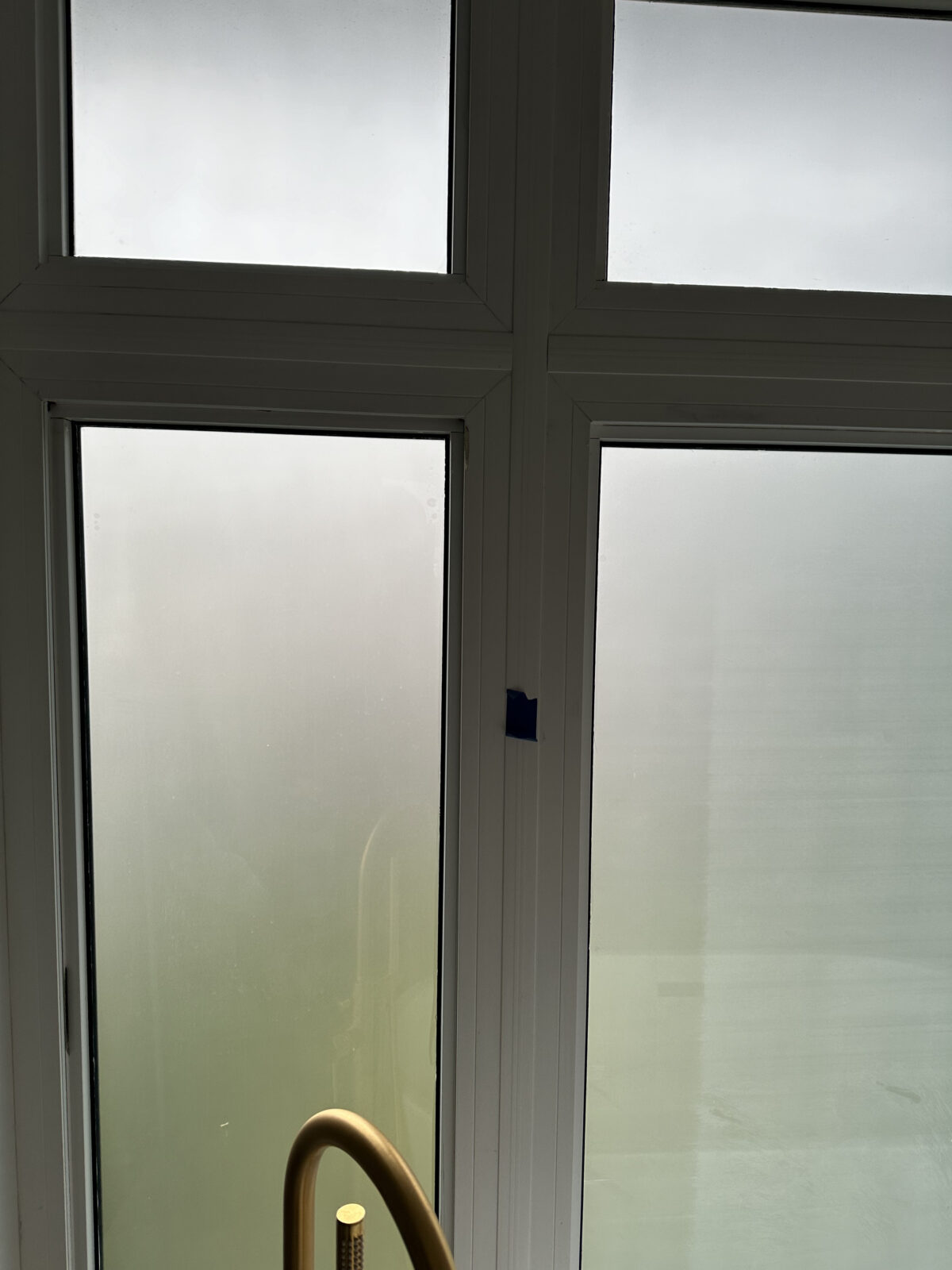
If you’re in the field of interior design or simply a homeowner looking to enhance your living space, frosted window film might be the perfect solution for you. This innovative product offers a blend of privacy, style, and energy efficiency, making it an excellent choice for those who value both aesthetics and functionality. As more people seek ways to improve their spaces without extensive renovations, frosted window film stands out as a convenient and effective option. Beyond its practical benefits, this product also opens up a world of creative possibilities, enabling you to customize your environment in ways that reflect your personal style.

Frosted window film is a thin layer applied to glass surfaces to create a frosted or etched appearance. It’s a popular choice for enhancing privacy without sacrificing natural light. The film can be easily applied to any glass surface, making it a versatile option for both residential and commercial spaces. Its adaptability allows it to be used in a variety of settings, from urban apartments to sprawling suburban homes, as well as in corporate offices and retail environments. Moreover, the technology behind frosted window film has evolved, offering improved durability and enhanced visual effects that mimic the look of high-end etched glass.
The Benefits of Frosted Window Film
Frosted window film offers several compelling benefits that make it a worthwhile investment:
- Privacy: It provides an effective solution for spaces where privacy is essential, such as bathrooms, bedrooms, or office conference rooms. The opacity of the film ensures that while you can enjoy natural light, onlookers cannot easily see inside, offering peace of mind and security.
- Aesthetic Appeal: With various designs and patterns available, frosted film can enhance the visual appeal of any room. From minimalist frosts that blend seamlessly with modern decor to intricate patterns that serve as a focal point, the aesthetic possibilities are endless.
- Cost-Effective: Compared to etched glass, frosted film is a more affordable option that delivers similar visual effects. It allows homeowners and businesses to achieve high-end looks without the high-end price tag, making it accessible to a broader audience.
- Easy Installation and Removal: The film is easy to install, and it can be removed without damaging the glass surface. This feature is particularly beneficial for renters or those who like to frequently update their decor.
- UV Protection: Many frosted films offer UV protection, which helps protect furniture and flooring from fading. This benefit not only extends the life of your furnishings but also contributes to energy efficiency by reducing heat transfer through windows.
Types of Frosted Window Film
Understanding the different types of frosted window film can help you choose the right product for your needs. Each type offers unique characteristics that cater to specific requirements.
Static Cling Frosted Film
Static cling frosted film is a non-adhesive option that uses static electricity to adhere to the glass surface. It’s ideal for temporary applications and can be easily removed or repositioned. This makes it a popular choice for seasonal decorations or short-term privacy solutions. Additionally, because it doesn’t involve any adhesive, there’s no risk of residue being left on the glass after removal, which is a significant advantage for many users.
Adhesive Frosted Film
Adhesive frosted film uses a sticky backing to adhere to glass surfaces. It’s more permanent than static cling film, making it suitable for long-term applications. Once applied, it remains securely in place, even in high-humidity environments such as bathrooms. This durability makes it a preferred choice for businesses or homeowners who want a lasting solution without the need for frequent adjustments or replacements.
Custom Design Frosted Film
For those looking to add a personal touch, custom design frosted film allows you to create unique patterns or logos. This option is popular in commercial spaces where branding is important. Custom designs can also be used in residential settings to reflect personal tastes or to create thematic rooms. The ability to tailor the film to specific dimensions and designs provides a level of personalization that can truly transform a space.
Application Areas for Frosted Window Film

Frosted window film is highly versatile and can be used in various settings. Its adaptability to different environments makes it a practical choice for both personal and professional spaces.
Residential Spaces
- Bathrooms: Ensure privacy while allowing natural light to filter through. The film can be applied to shower doors, windows, or any glass partitions, providing a serene and private retreat.
- Kitchens: Add a decorative touch to glass cabinet doors or kitchen windows. Frosted film can also be used to obscure the contents of cabinets while maintaining a sleek, modern look.
- Living Rooms: Create a stylish partition or add privacy to large windows. Frosted film can be used on sliding doors or to delineate open-plan spaces without the need for physical barriers.
Commercial Spaces
- Offices: Use frosted film to create privacy in conference rooms or individual offices. It can also be used to subtly brand glass surfaces with company logos or motifs.
- Retail Stores: Enhance storefront displays while maintaining privacy for interior spaces. The film can create an inviting facade that still allows for security and discretion inside.
- Restaurants: Add a touch of elegance to dining areas or separate sections of the restaurant. Frosted film can create intimate dining spaces or be used as decorative elements on glass partitions.
Installation Process
Installing frosted window film is a straightforward process that can often be completed by a professional or as a DIY project. Whether you’re looking to save on costs by doing it yourself or prefer the precision of a professional installation, the process is designed to be user-friendly.
Tools Required
- Measuring tape: Ensures precise measurements of the glass surface for a perfect fit.
- Utility knife: Used for cutting the film to the desired size and trimming excess.
- Squeegee or credit card: Helps smooth out the film and remove air bubbles.
- Spray bottle with soapy water: Aids in the application of the film, especially for static cling types.
- Clean cloth: Necessary for cleaning the glass prior to application, ensuring a smooth, dust-free surface.
Step-by-Step Installation
- Measure and Cut the Film: Measure the glass surface and cut the film to size, leaving a small margin for adjustments. Accurate measurements are crucial for ensuring the film fits well and provides the intended coverage.
- Clean the Glass Surface: Use a clean cloth and soapy water to remove any dirt or debris from the glass. A spotless surface is essential for the film to adhere properly and look seamless.
- Apply the Film: For static cling film, spray the glass with soapy water, peel off the backing, and position the film. For adhesive film, peel off the backing and carefully position the film on the glass. Proper alignment during this step is key to achieving a professional finish.
- Smooth Out Bubbles: Use a squeegee or credit card to smooth out any air bubbles, working from the center outwards. This ensures that the film adheres evenly without any imperfections.
- Trim Excess Film: Use a utility knife to trim any excess film around the edges. This final step ensures clean lines and a polished look.
Maintenance and Care

by Chloe Ridgway (https://unsplash.com/@picturetakermemorymaker)
To ensure the longevity of your frosted window film, follow these maintenance tips. Proper care not only maintains the appearance of the film but also extends its lifespan.
- Cleaning: Use a soft cloth and non-abrasive cleaner to wipe down the film. Avoid harsh chemicals that could damage the film. Regular cleaning helps maintain the film’s clarity and prevents the buildup of dirt or grime.
- Inspection: Regularly inspect the edges of the film for any signs of peeling or damage. Catching these issues early can prevent more extensive damage and the need for replacement.
Choosing the Right Frosted Window Film
When selecting frosted window film, consider the following factors. Understanding your specific needs and preferences will help you choose the most suitable product for your space.
Privacy Needs
Determine the level of privacy you require. Thicker films generally offer more privacy, while thinner films may provide a more subtle effect. Assess the specific privacy needs of each room to select the appropriate film.
Design Preferences
Choose a design that complements the overall aesthetic of the space. Consider patterns, textures, and colors that align with your interior design goals. A well-chosen design can enhance your space’s visual appeal and cohesiveness.
Installation Type
Decide between static cling and adhesive film based on your installation preferences and the permanence of the application. Consider whether you need a temporary solution or a more permanent installation when making your choice.
Conclusion
Frosted window film is a versatile and cost-effective solution for enhancing privacy and aesthetics in both residential and commercial settings. With its numerous benefits and easy installation process, it’s no wonder that this innovative product has become a popular choice for interior designers and homeowners alike. Its ability to transform spaces quickly and affordably makes it a practical choice for anyone looking to improve their environment.
Whether you’re looking to add a touch of elegance to your home or create a professional atmosphere in your office, frosted window film offers a practical and stylish solution. By understanding your needs and preferences, you can select the perfect film to transform your space into a more private and visually appealing environment. This adaptability, combined with its aesthetic and functional benefits, ensures that frosted window film will continue to be a go-to choice for many looking to elevate their spaces.