When it comes to home improvement, residential window tinting is often overlooked, yet it offers a myriad of benefits that go beyond simply enhancing the aesthetic appeal of your home. From reducing energy bills to protecting your furniture, residential window tinting is a smart investment for any homeowner. Whether you’re an interior designer looking to offer eco-friendly solutions to your clients or a homeowner seeking to improve your living space, understanding the key facts about residential window tinting can help you make informed decisions.

Residential window tinting involves applying a thin film to the interior side of your home’s windows. This film is designed to reduce the amount of sunlight, heat, and UV rays that enter your home. There are various types of window films available, each offering different benefits depending on your needs.
Types of Window Films
- Solar Control Films: These films are designed to reduce heat and glare from the sun, making your home more comfortable and energy-efficient.
- Decorative Films: Available in a variety of patterns and colors, decorative films can enhance the look of your windows and provide privacy without sacrificing natural light.
- Security Films: These films add an extra layer of protection by holding shattered glass together, reducing the risk of injury from broken glass.
- UV Blocking Films: Protect your furniture, flooring, and artwork from fading by blocking up to 99% of harmful UV rays.
Benefits of Home Window Tinting

Energy Efficiency
One of the most significant benefits of residential window tinting is improved energy efficiency. By reducing the amount of heat that enters your home, window films can help maintain a consistent indoor temperature. This means your air conditioning system won’t have to work as hard to keep your home cool, leading to lower energy bills.
Enhanced Privacy and Security
Window films can provide an added level of privacy by making it difficult for outsiders to see into your home. This is particularly beneficial for homes located in busy neighborhoods or for ground-floor windows. Additionally, security films can prevent glass from shattering in the event of a break-in or natural disaster, protecting your home and loved ones.
UV Protection
Prolonged exposure to UV rays can cause significant damage to your skin and eyes, as well as fade your furniture and decor. Residential window tinting can block up to 99% of UV rays, protecting both your health and your home’s interior.
Aesthetic Appeal
Decorative window films can transform the look of your windows, adding style and character to your home. With a wide range of designs available, you can choose a film that complements your interior design and enhances the overall look of your space.
How to Choose the Right Window Film
Selecting the right window film depends on your specific needs and preferences. Here are some factors to consider:
Purpose
Determine the primary reason you want window tinting. Are you looking to reduce energy bills, increase privacy, enhance your home’s appearance, or protect against UV rays? Your answer will guide you in choosing the right type of film.
Light and Heat Control
Consider the level of light and heat control you desire. Some films are designed to allow more natural light while still reducing heat, while others provide more privacy and darkness.
Aesthetic Preferences
If aesthetics are important, explore decorative films that align with your design preferences. From frosted glass looks to intricate patterns, there are many options to suit any style.
Professional Installation vs. DIY
While DIY kits are available, professional installation ensures the best results. Skilled installers can recommend the right film for your needs, ensure proper application, and provide a warranty for their work.
The Installation Process

by ihor (https://unsplash.com/@ishlpnk)
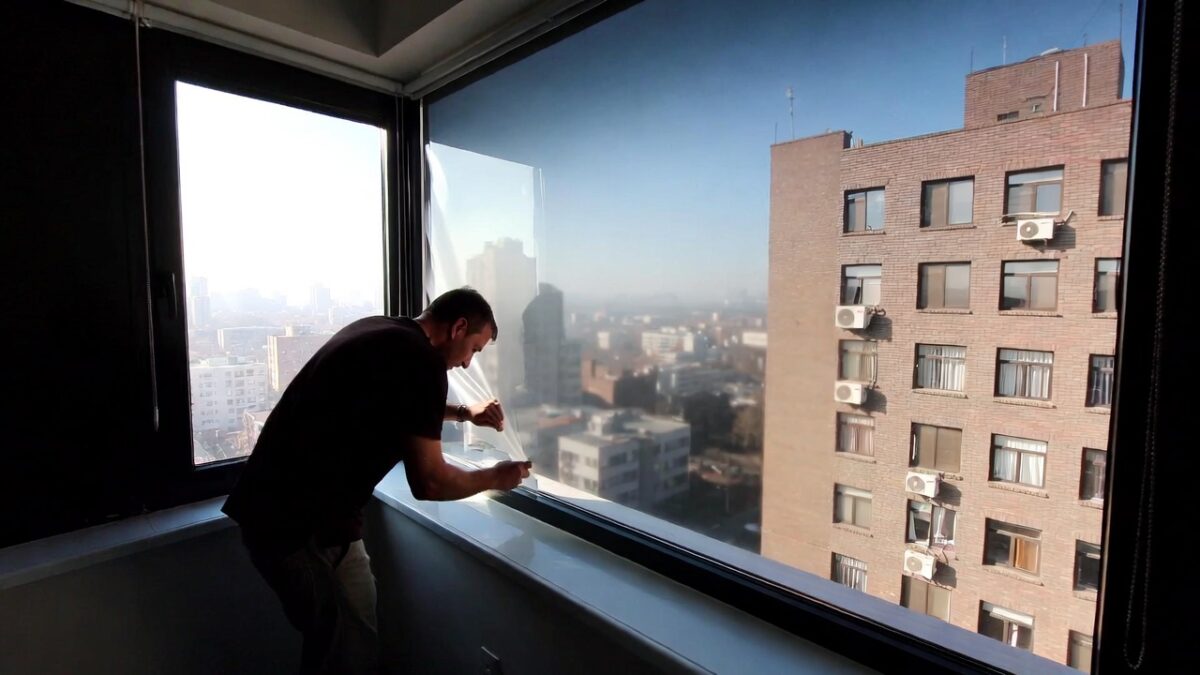
The installation process for residential window tinting is relatively straightforward but requires precision to ensure a flawless finish. Here’s what to expect:
- Consultation: A professional will assess your windows and discuss your goals to recommend the best film options.
- Preparation: The windows are thoroughly cleaned to ensure no dust or debris affects the film application.
- Film Application: The film is carefully applied to the window surface, with excess material trimmed away for a perfect fit.
- Curing: The film needs time to cure, during which it should not be disturbed to prevent bubbles or wrinkles.
Cost and Maintenance
The cost of residential window tinting varies based on the type of film and the size of the windows. However, it’s a cost-effective investment when considering the potential savings on energy bills and the extended lifespan of your home’s interior furnishings.
Maintenance is minimal. Simply clean the windows with a soft cloth and a mild, non-abrasive cleaner to avoid damaging the film.
Conclusion
Residential window tinting offers numerous benefits, from energy efficiency and UV protection to enhanced privacy and aesthetic appeal. For interior designers, it’s a stylish, eco-friendly solution that can complement any design while reducing energy costs for clients. For homeowners, it’s a practical way to enhance comfort, safety, and style.
By understanding the key facts about residential window tinting, you can make informed decisions that meet your specific needs and enhance your living space. Whether you choose to tackle the project yourself or hire a professional, the right window film can make a significant difference in your home’s comfort and efficiency.