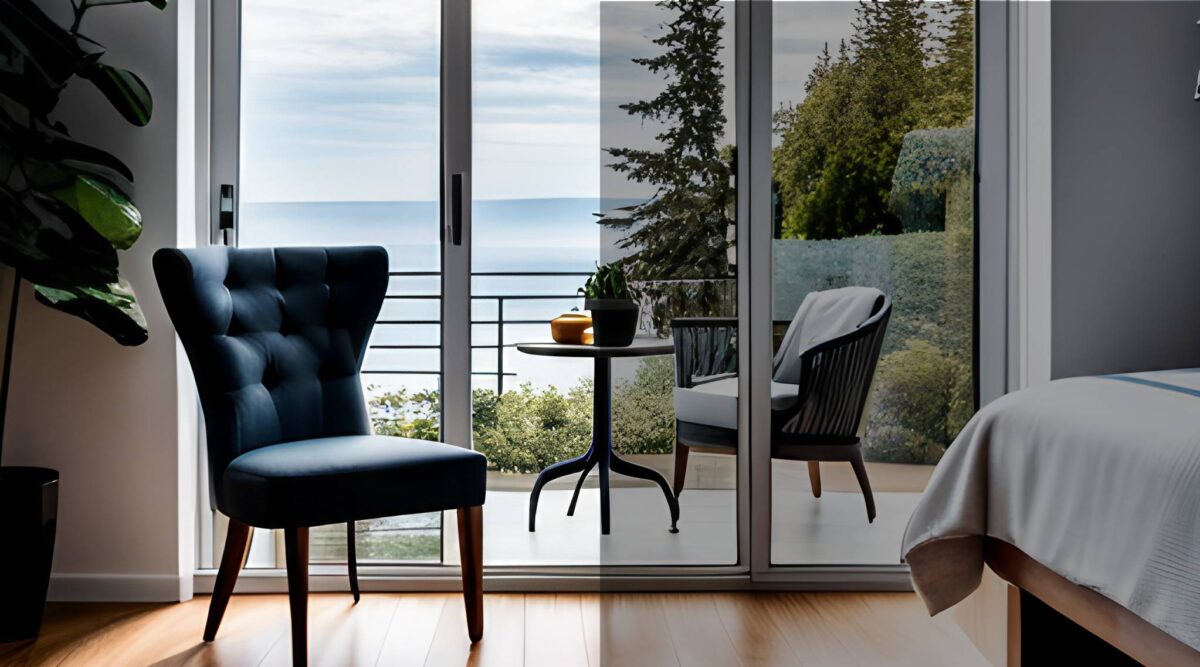
In the realm of home improvement, UV blocking window film stands out as an innovative solution that merges functionality with aesthetics. By blocking harmful UV rays, these films protect your interiors while also enhancing energy efficiency. Whether you’re an interior designer aiming to offer clients eco-friendly solutions or a homeowner seeking to improve your living space, understanding how to maximize the benefits of UV blocking window film is crucial. In this guide, we’ll walk you through the essentials of UV protection film and how it can be a game-changer for your home.

Before diving into the how-tos, it’s important to understand what UV blocking window film is. This film is a thin laminate designed to be applied to the interior or exterior of glass surfaces in homes and buildings. The primary function of UV protection film is to block the sun’s harmful ultraviolet rays, which can cause damage to skin and furnishings and increase energy costs.
Benefits of UV Blocking Window Film
UV blocking window film offers a myriad of benefits that go beyond just protection from the sun’s rays. Here are some key advantages:
- Protection Against UV Rays: The film blocks up to 99% of harmful UV rays, safeguarding your skin and preventing fading of furnishings and flooring.
- Energy Efficiency: By reflecting heat away from the window, these films help maintain indoor temperatures, reducing the need for air conditioning and lowering energy bills.
- Glare Reduction: Enjoy natural sunlight without the discomfort of glare, which can be particularly beneficial in home offices or living rooms with screens.
- Enhanced Privacy and Security: Some films offer additional privacy by making it difficult for outsiders to see in, while also holding glass together in case of breakage.
Choosing the Right UV Blocking Window Film

Selecting the right window film is vital for maximizing UV protection while complementing your home’s aesthetic. Here are factors to consider when choosing your film:
Consider the Level of UV Protection
Not all films are created equal. Some offer higher levels of UV protection than others. Look for films that block at least 99% of UV rays to ensure optimal protection for your interiors.
Assess the Visible Light Transmission (VLT)
Visible Light Transmission refers to the amount of visible light that passes through the window film. Higher VLT means more natural light enters the room. Depending on the room’s use, you may prefer a film with a lower VLT for privacy or a higher VLT for brightness.
Evaluate Aesthetic Preferences
Window films come in various shades and finishes, from clear to tinted or reflective. Choose a film that complements your interior design while meeting your functional needs. For instance, a frosted film might offer a modern touch to a bathroom window, while a reflective film could enhance a home office’s privacy.
Installation and Maintenance
Consider whether you’ll install the film yourself or hire a professional. Professional installation ensures a perfect fit and finish, while some films are designed for easy DIY application. Maintenance is minimal, typically involving gentle cleaning with a non-abrasive solution and cloth.
Installation Tips for Maximizing UV Protection

by Bridget Adolfo (https://unsplash.com/@bridgetadolfo)
Proper installation is key to maximizing the effectiveness of UV blocking window film. Here are some tips to ensure you get the most out of your film:
Prepare the Surface
Clean the window thoroughly before applying the film. Any dirt or residue can prevent the film from adhering properly and reduce its effectiveness.
Use Quality Tools
Invest in a quality squeegee and utility knife for a smooth application. This will help remove air bubbles and ensure the film is cut to the exact size of your window.
Follow Manufacturer Instructions
Each film is unique, so be sure to read and follow the manufacturer’s installation instructions carefully. This ensures the film performs as expected and lasts for years to come.
Consider Professional Installation
For large or complex window shapes, professional installation might be the best choice. Professionals have the experience and tools necessary to apply the film without bubbles or creases, ensuring a seamless finish.
Maintaining Your UV Blocking Window Film
Once installed, maintaining your window film is simple but important for longevity and performance.
Cleaning Tips
- Use Mild Cleaners: Avoid harsh chemicals. Instead, use a mild soap and water solution.
- Soft Cloths Only: Use a soft cloth or microfiber towel to avoid scratching the film.
- Regular Cleaning: Clean the film regularly to maintain its appearance and effectiveness.
Inspect for Damage
Regularly inspect your window film for any signs of wear or damage. If you notice peeling or bubbling, it might be time to replace the film to maintain optimal UV protection.
Real-World Applications and Success Stories
Many homeowners and businesses have successfully implemented UV blocking window films to great effect. For example, a local boutique utilized reflective window film to protect its merchandise from sun damage while maintaining a stylish storefront appearance. Similarly, a residential client found that after installing UV protection film, their energy bills decreased significantly, and their hardwood floors remained vibrant and untarnished.
Conclusion: Elevate Your Space with UV Blocking Window Film
UV blocking window film is a versatile and effective solution for anyone looking to protect their home from the sun’s harmful rays while enhancing energy efficiency and privacy. By choosing the right film and following proper installation and maintenance practices, you can enjoy a more comfortable and protected living space.
Whether you’re an interior designer seeking to offer clients eco-friendly solutions or a homeowner aiming to improve your living environment, UV blocking window film provides an excellent option. Embrace this innovative home improvement solution and experience the myriad benefits it brings.