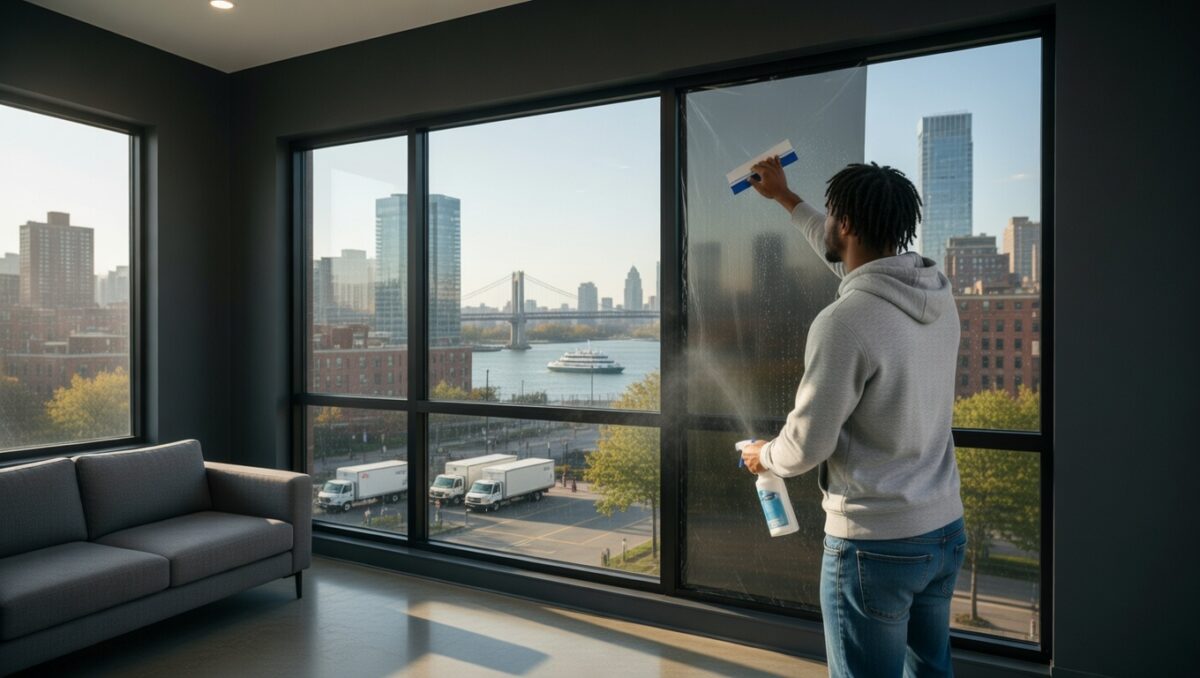
When the sun beats down on your home, it can turn your living space into a sauna. Air conditioning can help, but it often leads to high energy bills. What if there was a more cost-effective solution that could help keep your home cool and comfortable without relying heavily on air conditioning? Enter window films.
In this article, we will explore how window films can aid in heat reduction, their benefits, and why they are becoming a popular choice for homeowners and interior designers alike.

What Are Window Films?
Window films are thin layers of polyester or other materials applied to glass surfaces. They are available in various types, including solar control films, decorative films, and security films. For the purpose of heat reduction, solar control films are the most relevant.
Solar Control Films
Solar control films are designed to reduce the amount of solar heat entering a building. They work by reflecting and absorbing the sun’s energy. These films can help decrease the heat entering through windows, making them a practical solution for maintaining a cooler indoor environment.

How Do Window Films Reduce Heat?
Window films reduce heat in several ways:
Blocking Solar Heat
Heat blocking window films can reject up to 78% of the sun’s heat. They accomplish this by reflecting the sun’s rays away from the windows. The reduction in heat gain means your air conditioning system doesn’t have to work as hard, which can lead to energy savings.
Reducing Glare
Glare from the sun can make it difficult to see screens and can be uncomfortable for your eyes. Window films can reduce glare significantly, improving visibility and comfort in your home.
Enhancing Insulation
While window films primarily work by reflecting solar energy, some can also improve the insulation properties of your windows. This means they can help keep heat inside during the winter and keep it out during the summer.
Benefits of Window Films
The benefits of window films extend beyond heat reduction. Here are some reasons why they are a great addition to your home:
Energy Efficiency
One of the primary advantages of window films is their ability to improve energy efficiency. By reducing heat gain in the summer and heat loss in the winter, window films can help lower your energy bills.
UV Protection
Window films can block up to 99% of harmful UV rays. This protection helps prevent fading of furniture, flooring, and artwork, preserving the interior of your home.
Cost-Effective Solution
Compared to window replacement, installing window films is a cost-effective way to improve your home’s energy efficiency. They are relatively easy to install and can provide immediate benefits.
Aesthetic Appeal
Window films come in various designs and tints, allowing you to choose a style that complements your home’s décor. Whether you prefer a subtle tint or a decorative pattern, there’s a window film to match your aesthetic preferences.

by Zen Summer (https://unsplash.com/@ispywithmylittleeye)
Choosing the Right Window Film
Selecting the right window film for your home depends on several factors:
Assess Your Needs
Consider what you want to achieve with window films. Is your primary goal to reduce heat, enhance privacy, or add a decorative touch? Understanding your needs will guide you in choosing the right product.
Evaluate Film Types
Different films offer different benefits. Solar control films are best for heat reduction, while decorative films add style. Security films provide added protection against break-ins. Consider what features are most important to you.
Consider Professional Installation
While some homeowners opt for DIY installation, professional installation ensures that the film is applied correctly without bubbles or wrinkles. A professional can also advise you on the best type of film for your windows.
Real-Life Applications
Interior designers have embraced window films as a solution for clients looking to enhance their living spaces. Here’s how window films can be used effectively:
Residential Settings
In homes, window films can be used to maintain a comfortable indoor temperature, reduce glare in living rooms and home offices, and protect furnishings from UV damage. They are also a great way to add privacy to bathrooms without sacrificing natural light.
Commercial Spaces
In office buildings, window films can improve employee comfort by reducing glare on computer screens and maintaining a consistent temperature throughout the workspace. This can lead to increased productivity and lower energy costs.
Retail Environments
Retailers use window films to create an inviting atmosphere for customers while protecting merchandise from fading due to UV exposure. They can also be used to add decorative elements to store windows.
Conclusion
Window films offer a practical, cost-effective solution for reducing heat and enhancing energy efficiency in your home. With the added benefits of UV protection and aesthetic flexibility, they are an excellent choice for homeowners and interior designers alike.
Whether you’re looking to keep your home cool in the summer, reduce glare, or protect your interiors from UV damage, window films can provide the solution you need. Consider investing in window films to enjoy a more comfortable and energy-efficient living space.
By understanding the unique benefits and applications of window films, you can make an informed decision that meets your needs and enhances the comfort and style of your home.