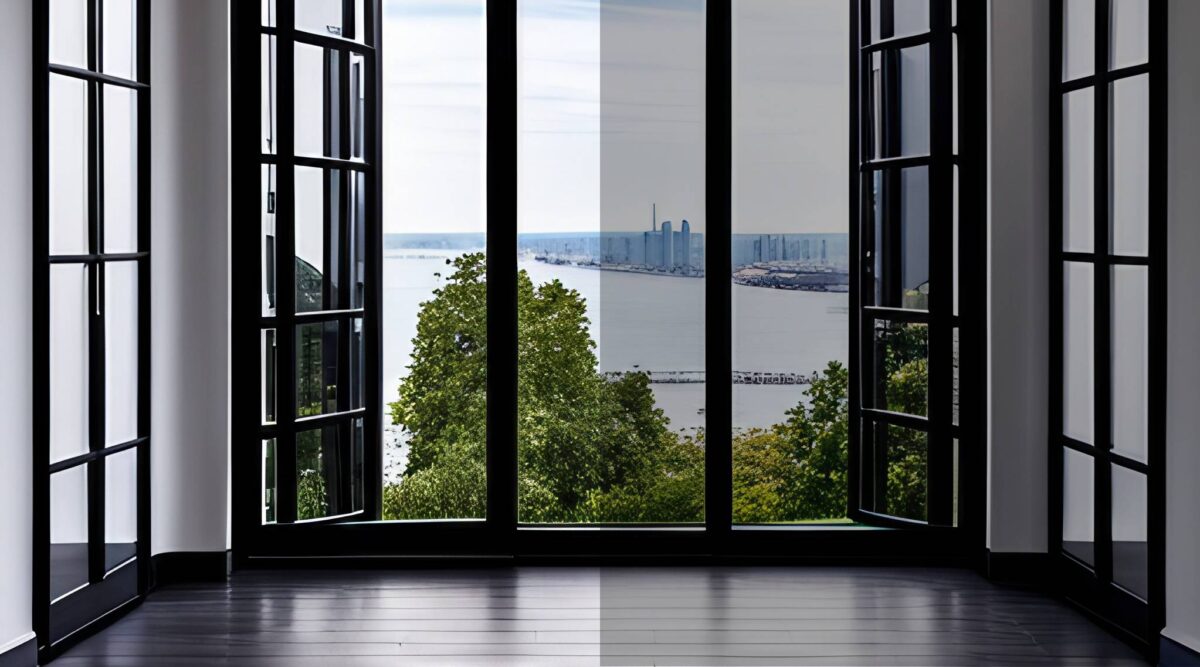

When it comes to improving your home’s comfort and energy efficiency, solar film for windows is an effective and often overlooked solution. It’s a versatile option that offers numerous benefits, from reducing glare and heat to improving privacy and protecting furnishings. In this article, we explore why solar film might just be the perfect addition to your windows.
Understanding Solar Film
Solar film, also known as solar window tint, is a thin, multi-layered sheet of film that is applied to windows. It is designed to filter and control the amount of sunlight that enters your home, providing a range of benefits that go beyond simple aesthetics.
How Solar Film Works

Solar film works by reflecting or absorbing a significant portion of the sun’s ultraviolet (UV) rays. This helps to reduce the amount of heat that passes through the glass, making your living spaces cooler and more comfortable. Additionally, by blocking UV rays, solar film protects your home’s interiors from fading and damage.
Key Benefits of Solar Film for Windows
Energy Efficiency
One of the most significant advantages of installing solar film is its ability to improve energy efficiency. By reducing the amount of heat that enters your home, solar film helps maintain a consistent indoor temperature. This can lead to a reduction in your cooling costs during hot months, making it an eco-friendly choice for homeowners looking to lower energy bills.
UV Protection
Solar film blocks up to 99% of harmful UV rays. This is crucial in preventing the fading of furniture, flooring, and other interior elements. UV protection also plays a role in safeguarding your skin from harmful sun exposure, which is an added health benefit.
Glare Reduction
Excessive glare can be a nuisance, especially when watching TV or working on a computer. Solar film significantly reduces glare, making it easier to enjoy your electronic devices without straining your eyes. This feature is particularly beneficial in rooms that receive a lot of direct sunlight.
Enhanced Privacy
Solar window tint can enhance privacy without sacrificing natural light. It allows you to enjoy the view from inside while limiting the view from outside during daylight hours. This can be an attractive feature for homeowners who want to maintain privacy without resorting to heavy curtains or blinds.
Aesthetic Appeal
Solar films are available in various shades and finishes, allowing you to choose a style that complements your home’s design. Whether you prefer a subtle tint or a more reflective finish, solar film can add a modern touch to your windows while maintaining the home’s aesthetic appeal.
Types of Solar Film
When considering solar film installation, it’s important to understand the different types available.
Dyed Film
Dyed solar films absorb solar energy and are effective at reducing glare. They are usually less expensive, making them a popular choice for homeowners on a budget. However, they may not offer the same level of heat reduction as other types.
Metalized Film
Metalized films reflect heat and offer superior UV protection. They are durable and provide excellent heat reduction, but they may interfere with cell phone signals and wireless networks due to their metallic content.
Ceramic Film
Ceramic films are the most advanced option, offering superior heat reduction and UV protection without affecting visibility. They do not contain metals, so they won’t interfere with electronics. Ceramic films are more expensive, but they provide long-lasting performance and clarity.
Installation Process

by Newpowa (https://unsplash.com/@newpowa)
Installing solar film is a relatively straightforward process, but it requires precision to ensure the best results. Here’s what you can expect during a professional solar film installation:
- Consultation: A professional will assess your needs and recommend the best type of solar film for your windows.
- Cleaning: The windows are thoroughly cleaned to remove any dirt or debris that might interfere with the film’s adhesion.
- Cutting: The film is carefully cut to fit the dimensions of your windows.
- Application: The film is applied to the glass using a special adhesive. Installers will use tools to smooth out any bubbles and ensure a perfect finish.
- Curing: The film needs time to adhere properly and cure. This process can take a few days, during which you should avoid cleaning the windows.
Choosing a Professional Installer
While DIY installation kits are available, hiring a professional ensures that the film is applied correctly and lasts as long as possible. Professional installers have the experience and tools necessary to deliver a flawless finish. They can also help you navigate the different types of films and select the best option for your needs.
Cost Considerations
The cost of solar film installation can vary based on several factors, including the type of film, the size of your windows, and labor costs. While it may seem like a significant upfront investment, the long-term savings on energy bills and the protection of your interiors can make it a cost-effective solution.
Conclusion
Solar film for windows is a smart choice for homeowners looking to enhance comfort, reduce energy costs, and protect their home’s interior. Whether you’re addressing excessive heat, harmful UV exposure, or privacy concerns, solar film offers a versatile solution that fits seamlessly into your home’s design.
By investing in quality solar film and professional installation, you can enjoy a more comfortable and energy-efficient living environment. Consider reaching out to a trusted professional to explore how solar film can benefit your home today.