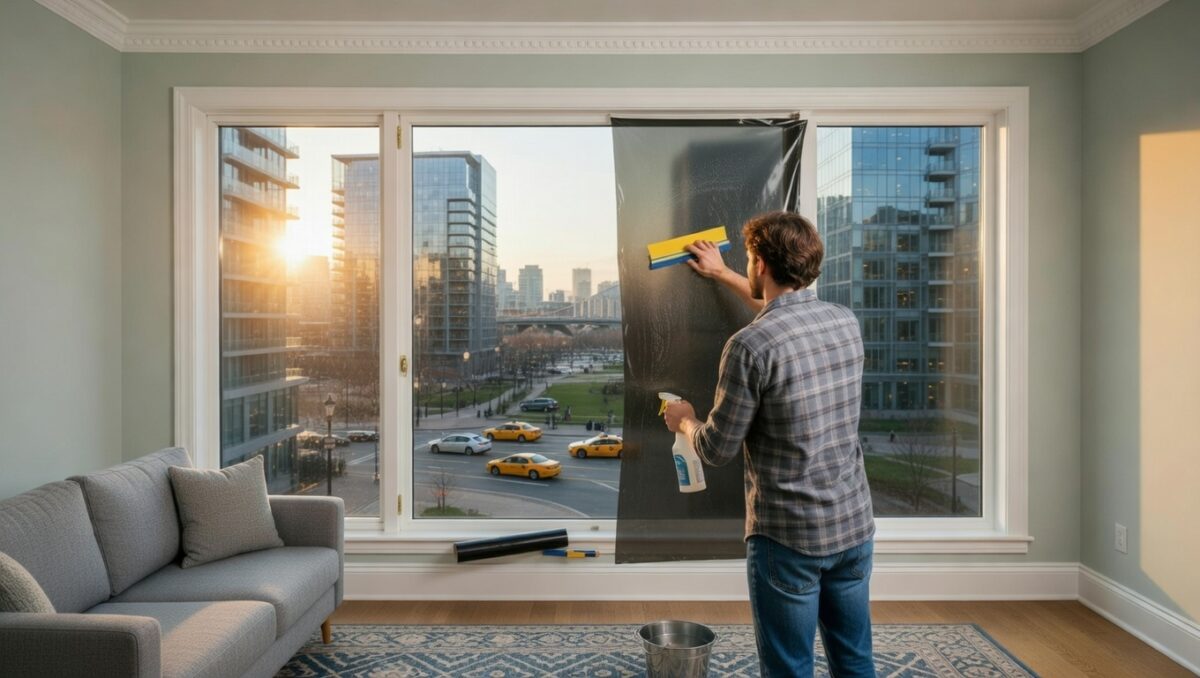
Window tinting isn’t just for cars anymore. Home window tinting is rapidly gaining popularity among homeowners who are searching for an effective way to enhance their home’s energy efficiency, privacy, and protection from harmful UV rays. The technology and materials used in residential window tinting have advanced significantly, making it a viable and attractive option for many. As a skilled communicator and expert in home improvement solutions, I aim to address some of the common questions about residential window tinting, helping you to make informed decisions that benefit both your home and lifestyle.

Residential window tinting involves applying a thin, transparent film to the interior or exterior of windows in a home. This film is designed to reduce the amount of sunlight, glare, and heat that enters the home, while also providing privacy and protection against UV rays. The films are available in various shades and materials, allowing homeowners to customize the appearance and performance of their windows according to their specific needs. Moreover, window tinting can be applied to different types of glass, including single-pane, double-pane, and even specialty glass, making it a versatile solution for a wide range of applications.
Why Should I Consider Window Tinting for My Home?
One of the primary benefits of window tinting is its ability to improve energy efficiency. By reducing the amount of heat that enters your home, window tinting can help lower cooling costs during the summer months. This energy-saving feature not only reduces your utility bills but also contributes to a more sustainable environment by decreasing your home’s overall energy consumption. Additionally, window films offer:
- UV Protection: Tinting can block up to 99% of harmful UV rays, protecting your skin and preventing fading of interior furnishings. This protection is crucial in preserving the quality and lifespan of your furniture, flooring, and artwork, which can be damaged over time by prolonged sun exposure.
- Privacy: Tinted windows increase privacy without sacrificing natural light. You can enjoy peace of mind knowing that while you can see outside, passersby cannot easily see into your home, which enhances security and comfort.
- Aesthetic Appeal: With various tints and shades available, you can enhance your home’s appearance both inside and out. Window films come in different finishes, from reflective to matte, allowing you to achieve the exact look you desire while also complementing your home’s architectural style.
How is Window Tint Applied?

Step-by-Step Installation
- Cleaning the Window: The glass is thoroughly cleaned to remove any dust or debris, ensuring a smooth application. This step is crucial because any particles left on the window can cause imperfections or bubbles in the film.
- Measuring and Cutting the Film: The tint film is measured and cut to fit the window precisely. Accurate measurement and cutting are essential to ensure a seamless application that covers the entire window without gaps or overlaps.
- Application: The film is applied using a special adhesive and smoothed out to eliminate bubbles and creases. This process requires precision and skill to ensure that the film adheres properly and maintains a clear, smooth appearance.
- Final Inspection: After the film is applied, a final inspection is done to ensure quality and proper adhesion. Any adjustments needed are made at this stage to guarantee a professional finish.
Professional installers often use specialized tools to ensure the film is applied correctly, minimizing the risk of errors that can occur during a DIY installation. By following these steps meticulously, a professional installer can achieve a flawless finish that enhances both the function and appearance of your windows.
Is Window Tinting a DIY Project?
While DIY kits are available, it’s often best to hire a professional for window tinting. Professional installers have the skills and tools needed to apply the film without bubbles or imperfections. They also understand the nuances of different window types and the appropriate film options for each, which can be challenging for an inexperienced individual to navigate. Moreover, professionals can recommend the best type of tint for your specific needs and ensure compliance with local regulations.
Attempting a DIY installation can lead to common pitfalls such as improperly cut film, bubbles, or creases that can compromise the film’s effectiveness and appearance. A professional will not only provide a higher quality installation but will often offer a warranty on their work, giving you peace of mind and protecting your investment. Additionally, by choosing a professional, you can save time and avoid the frustration that can come with a challenging DIY project.
What Are the Different Types of Window Tints?
Types of Tint Films
- Dyed Film: This is the most cost-effective option, providing a dark appearance and privacy but limited heat reduction. Dyed films are made by placing a layer of dye between an adhesive layer and a protective polyester top coating. They primarily absorb solar heat, which can make them less effective in particularly hot climates.
- Metalized Film: Contains metallic particles that reflect heat and UV rays, offering better performance than dyed films. These films provide a shiny, reflective appearance and are effective at reducing glare and heat. However, they can sometimes interfere with electronic signals, which may affect devices like cell phones and GPS systems.
- Ceramic Film: Known for superior performance, ceramic films block heat and UV rays without interfering with electronics. Made with non-metallic, non-conductive ceramic particles, they are highly durable and effective at maintaining indoor temperatures. Ceramic films are often more expensive but provide excellent clarity and performance.
- Hybrid Film: Combines elements of dyed and metalized films for a balance of performance and cost. These films offer moderate heat reduction and glare protection, making them a versatile choice for many homeowners looking for both performance and affordability.
Choosing the right type of film depends on your specific needs, preferences, and budget. A professional installer can help guide you through the options to select the best film for your home.
How Long Does Window Tint Last?
The longevity of window tint depends on factors like film quality, installation technique, and exposure to sunlight. High-quality films installed by professionals can last up to 15 years or more. These films are designed to withstand the rigors of daily exposure to sunlight and varying temperatures, ensuring they maintain their appearance and performance over time. Routine maintenance, such as gentle cleaning with non-abrasive products, will help extend the life of your tint.
Proper care includes avoiding harsh chemicals or abrasive cleaning tools, which can damage the film. By following recommended maintenance practices, you can ensure that your window tint remains effective and aesthetically pleasing for many years, providing long-term value and protection for your home.
Can Window Tint Be Removed?
Yes, window tint can be removed if needed. Professional removal is recommended to prevent damage to the window glass. The process typically involves heating the film to loosen the adhesive and carefully peeling it away. This method ensures that the glass remains intact and free from scratches or residue. Any residual adhesive is cleaned off with a solvent, restoring the window to its original condition.
Attempting to remove tint yourself can result in damage to the glass or incomplete adhesive removal. Professionals have the tools and expertise to perform this task efficiently, minimizing the risk of damage and ensuring a clean result. If you decide to change the tint or restore your windows to their original state, professional removal is the safest and most effective option.
Are There Any Regulations for Home Window Tinting?

by Timur Valiev (https://unsplash.com/@timur_valiev)
Regulations for residential window tinting can vary by location. Some areas have restrictions on the level of tint allowed on certain windows for safety reasons. For example, windows facing public streets may have specific requirements to ensure visibility and compliance with local laws. It’s important to consult with a professional installer who is familiar with local regulations to ensure compliance.
Ignoring these regulations can result in fines or the need to remove the tint, leading to unnecessary expenses. Professionals stay updated on the latest regulations and can guide you in choosing a compliant solution that meets your needs without violating local laws. Ensuring that your window tint complies with local regulations is not only a legal requirement but also a critical aspect of maintaining safety and functionality in your home.
How Much Does Home Window Tinting Cost?
The cost of window tinting can vary based on the type of film, the size and number of windows, and the complexity of the installation. On average, homeowners might expect to pay between $5 to $12 per square foot. This price range can fluctuate based on the quality of the film, with higher-end options like ceramic films costing more than basic dyed films. While the initial investment may seem significant, the energy savings and protection benefits often outweigh the costs over time.
Investing in high-quality tint can lead to substantial savings on energy bills, as well as extend the life of your interior furnishings by protecting them from UV damage. When considering the cost, it’s important to weigh the long-term benefits against the upfront expense. Consulting with a professional can provide you with an accurate estimate tailored to your home’s specific needs and help you understand the potential return on investment.
Will Window Tint Affect Indoor Plants?
Most indoor plants thrive with window tinting because the film reduces the intensity of sunlight without eliminating it entirely. By blocking harmful UV rays and excessive heat, window tinting can create a more stable environment for your plants. This stability can help prevent scorching and dehydration, which are common issues for plants placed in direct sunlight.
In fact, window tinting can often lead to healthier plants, as it maintains a consistent temperature and light level that many plant species prefer. If you have specific concerns about how tinting might affect your plants, a professional can recommend the best tint option that balances light transmission with UV protection, ensuring that your indoor garden continues to flourish.
How Do I Maintain Tinted Windows?
Maintaining tinted windows is straightforward. Wait at least a week after installation before cleaning the windows to allow the film to fully adhere. This waiting period ensures that the adhesive cures properly and that the film remains securely attached to the glass. Use a soft cloth or sponge with mild, non-abrasive soap to clean the windows. Avoid using ammonia-based cleaners, as they can damage the tint.
Regular maintenance involves gentle cleaning and inspection for any signs of damage or wear. By following these simple care instructions, you can ensure that your tinted windows continue to perform well and look great for many years. Proper maintenance not only preserves the clarity and effectiveness of the film but also extends its lifespan, maximizing your investment.
Conclusion
Home window tinting offers numerous benefits, from energy savings to increased privacy and protection against UV rays. Whether you’re an interior designer seeking eco-friendly solutions for clients or a homeowner looking to enhance your living space, window tinting is a versatile and effective option. By addressing these frequently asked questions, I hope to provide you with the information needed to make an informed decision about window tinting for your home.
As the demand for sustainable and cost-effective home improvements continues to rise, window tinting stands out as a practical choice that caters to both aesthetic and functional needs. With the right guidance and professional installation, you can transform your home into a more comfortable, efficient, and stylish environment. Embrace the benefits of window tinting and enjoy the enhanced quality of life it brings to your living space.