Window films are one of the most searched upgrades for homes and businesses in Toronto, especially when people want safer glass without changing how their windows look. Clear security window films sit right inside that demand. When people search for window films, they are usually worried about break-ins, broken glass, winter cracks, or sudden repair costs. They want protection, but they also want daylight and clean views. Clear security window films are built for that exact problem.
Across Toronto and the GTA, window films are no longer only about heat or glare. They are now part of day-to-day safety planning. From storefronts along Queen Street to condo towers in North York and offices in Markham, window films help reduce damage, slow forced entry, and keep broken glass from spreading across floors.
This guide explains how window films work for security, why they matter in local buildings, and when they actually help. It sticks to real situations people deal with here every year.
What Clear Security Window Films Are and Why They Exist
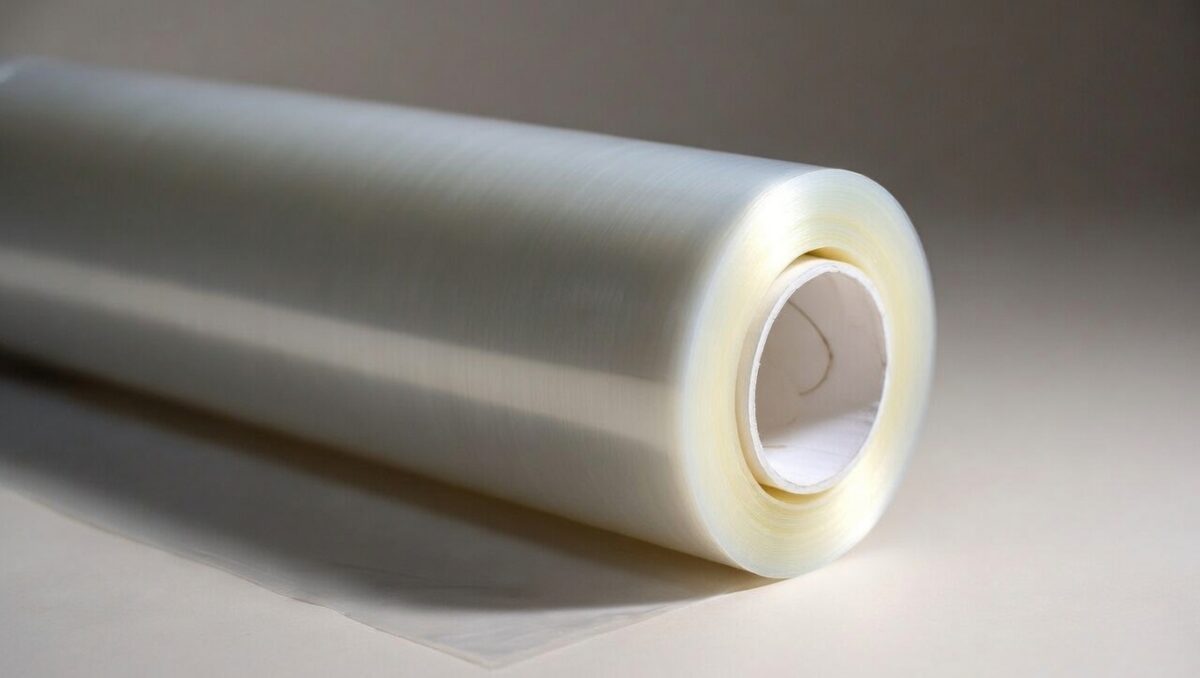
Clear security window films are thick, transparent window films installed directly onto existing glass. The window stays. The look stays the same. What changes is how the glass reacts when hit, stressed, or cracked.
Normal glass fails fast. One strong impact and it shatters into sharp pieces. Security window films change that behaviour. When glass cracks, the film holds the broken pieces together. The pane stays mostly intact instead of falling inward.
Most clear security window films used in Toronto range from 4 mil to 15 mil thick. Homes often use 8 mil film. Retail stores, offices, and condos usually use 12 or 15 mil. Thicker window films add more resistance and more delay during forced entry.
People choose these window films for clear reasons. Smash-and-grab theft. Broken glass injuries. Winter stress cracks. Accidental hits from doors, carts, or ladders. Clear security film handles these problems without dark tint or blocked views.
For a full explanation of this category, this article breaks it down well: What Are Security Window Films.
How Window Films Change What Happens During Break-Ins
Clear security window films do not make glass unbreakable. That idea causes confusion. What window films do is slow failure, and that delay matters more than people expect.
Most break-ins rely on speed. One hit. Reach inside. Door opens. With security window films, that fast entry often fails. The glass cracks but stays together. More hits are needed. Noise increases. Time passes. Risk grows. Many intruders leave.
Local safety advice supports this idea. Police often point out that noise and delay reduce break-in success. This public resource explains why added time helps: Toronto Police Crime Prevention Tips.
Window films do not replace alarms or locks. They support them. They turn fast damage into slower damage, which changes how situations end.
Window Films During Accidents and Winter Glass Stress
Accidents happen more often than people admit. A ladder slips. A delivery cart hits a door. Someone falls into glass. Without film, the glass breaks apart and spreads. With window films, the glass stays bonded and breaks in a safer way.
Toronto winters add another layer of stress. Cold nights and warm interiors push glass in opposite directions. Small cracks can spread overnight. Window films cannot stop cracks from forming, but they can keep glass in place until repairs happen. That helps avoid emergency board-ups and heat loss during freezing weeks.
Some installs also use attachment systems that connect the film to the window frame. This helps stop the entire pane from pushing out under force. It is common in storefronts and offices with large glass panels.
Why Window Films Make Sense for Toronto and GTA Buildings
Toronto buildings face pressure that many cities do not. Heavy foot traffic. Narrow retail strips. Large glass storefronts. Strong seasonal temperature changes. Condo rules that limit visible changes. Window films fit these limits well.
Downtown areas like Queen West, Kensington, and parts of Yonge see repeat glass damage each year. Clear security window films allow shops to protect glass without bars or metal shutters.
In North York, Scarborough, and Etobicoke, many homes use window films on patio doors and sidelights. These are common entry points. Film strengthens them while keeping rooms bright.
Condos across the GTA rely on window films for lobbies, gyms, and ground-floor units. Condo boards often approve clear security film because it does not change the building look.
Window Films vs Full Glass Replacement
Many property owners compare window films to full glass replacement. Replacement costs more and takes longer. Glass must be ordered, delivered, and installed. Businesses may need to close during work.
Window films upgrade existing glass. No demolition. No permits. Less downtime. This is why many Toronto businesses choose film first.
Replacement still makes sense when glass is already damaged or frames are weak. Window films work best on solid glass.
This comparison explains the difference in plain terms: Window Films vs Window Replacements.
Local Examples of Clear Security Window Films in Real Use
A small bakery near Danforth installed clear security window film after two late-night break-ins. A third attempt cracked the glass but failed to open the store. The owner opened the next morning without boarding and avoided losing a full day of sales.
A logistics office in Brampton added security window films to its entry doors after repeated glass damage from carts and equipment. Since installation, cracks still happen but the glass stays in place, which lowered repair calls.
A homeowner in Pickering added clear security film to basement windows after nearby break-ins. During a deep freeze, one pane cracked but stayed intact. Repairs were scheduled normally instead of as an emergency.
These cases show how window films often reduce damage rather than prevent every problem.
What Professional Window Film Installation Looks Like
A proper window film installation starts with inspection. Installers check glass type, age, and frame depth. Film should not go on cracked or failing glass.
Cleaning matters more than people think. Dust or residue trapped under film stays visible. Skilled installers take extra time during prep, even if it slows the job.
The film is applied using a wet method. It is smoothed and left to cure. Light haze during curing is normal and fades over a few days.
For security window films, edges matter. In higher-risk areas, attachment systems may be added for better hold.
This guide explains the install process clearly: How to Achieve Flawless Security Film Installation in 7 Steps.
Clear Security Window Films and Other Window Film Types
Security window films are often mixed up with privacy or solar films. Each type has a different job.
Privacy window films block views. Solar films reduce heat and UV. Security window films focus on holding glass together. Some buildings use more than one type in different areas.
This overview explains the wider category: Introduction to Window Films.
Why Window Films Keep Growing in Use
Glass repairs cost more each year. Insurance claims rise. Buildings use more glass than before. Shared spaces are common.
Public data shows property crime still affects many areas each year. Statistics Canada tracks break-and-enter trends across Ontario: Statistics Canada Crime Data.
Window films offer a simple way to manage risk. They last years. They work quietly. They help homes and businesses reduce damage without major changes.
For Toronto property owners, clear security window films reduce how bad glass damage becomes. That saves time, money, and stress, even when things still go wrong.
Frequently Asked Questions
What are clear security window films?
Clear security window films are transparent window films that help keep broken glass together after impact.
Do security window films change how windows look?
Clear security window films do not change glass appearance and stay nearly invisible.
Can window films stop break-ins?
Security window films slow forced entry by holding glass in place and increasing noise and time.
Are window films suitable for homes and businesses?
Window films work for homes, retail stores, offices, and condos where glass safety matters.
How long do clear security window films last?
Most clear security window films last 10 to 15 years indoors with proper installation.