Categories
Window Films and Tint

Understanding Window Tint Shades and VLT Levels

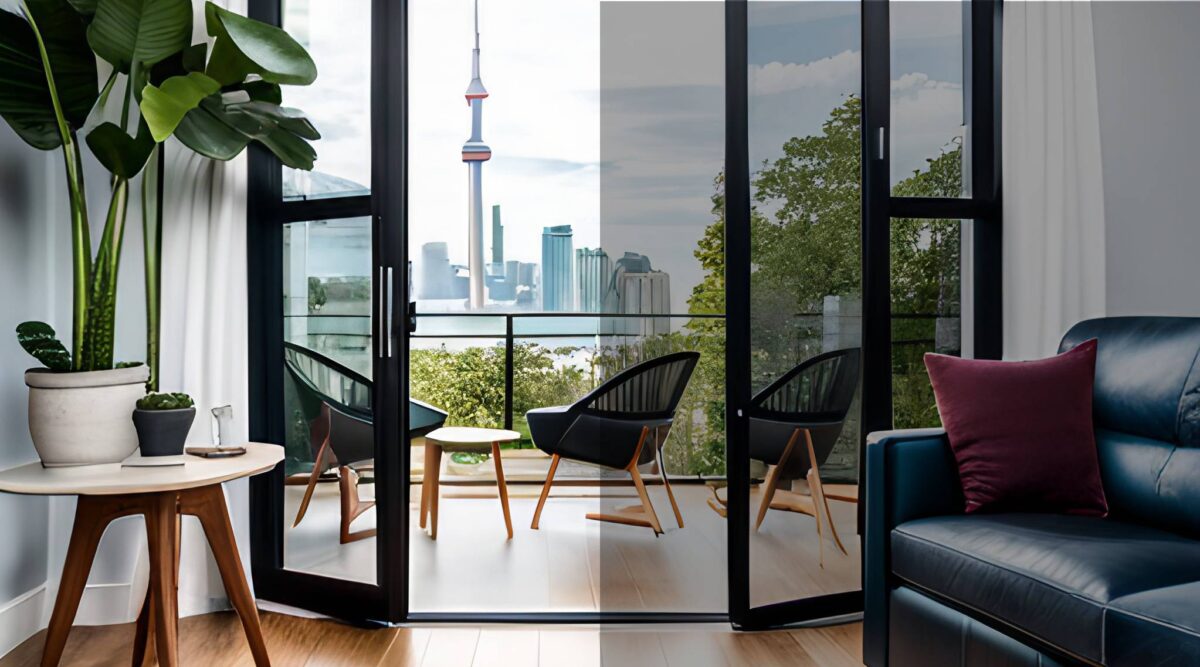
Various window tint shades

Window tint shades refer to the different levels of darkness you can apply to your windows. These shades range from very light to very dark, allowing you to control the amount of light entering your space. The varying degrees of tint can be tailored to suit specific needs, whether for privacy, light control, or aesthetic purposes. The primary purpose of tint shades is to provide privacy, reduce glare, and protect interiors from UV rays. However, they also contribute to the overall style and feel of a room, creating environments that can be as bright or as cozy as desired.

Benefits of Different Tint Shades

  1. Privacy: Darker tint shades offer more privacy, preventing outsiders from seeing inside your home while still allowing you to enjoy the view outside. This is particularly beneficial for homes situated in busy neighborhoods or for rooms that are at street level.
  2. Glare Reduction: By minimizing glare, window tints improve comfort, especially in rooms with screens or computers. Reducing glare can significantly improve visibility and reduce eye strain during activities such as reading or working from home.
  3. UV Protection: Tint shades block harmful UV rays that can cause damage to furnishings and flooring. This protection not only helps in maintaining the longevity of your home’s interiors but also contributes to healthier living conditions by reducing UV exposure.
  4. Aesthetic Appeal: Tints come in various shades that can enhance the look of your home, adding a sleek, modern finish to your windows. Whether you’re aiming for a minimalist look or something more dramatic, tints can be chosen to complement the existing design elements of your home.

Understanding VLT Levels

VLT levels explained

VLT stands for Visible Light Transmission, a measure expressed as a percentage that indicates how much visible light passes through the window film. It is a crucial factor in determining the effectiveness of window tints. A lower VLT means darker film, which transmits less light, while a higher VLT transmits more light and is lighter in appearance. Understanding the impact of different VLT levels can help in choosing the right balance between light transmission and privacy.

How VLT Levels Impact Your Home

  1. Energy Efficiency: Lower VLT levels can reduce heat gain during hot months, leading to energy savings on cooling costs. By blocking more sunlight, these films help maintain a cooler indoor temperature, reducing the reliance on air conditioning.
  2. Natural Light: Higher VLT levels allow more natural light, which can brighten up a space and reduce the need for artificial lighting. This can create a more inviting atmosphere and help reduce electricity usage during daylight hours.
  3. Comfort and Protection: A balanced VLT level can enhance comfort by reducing glare and protecting against UV rays while maintaining adequate natural lighting. This balance ensures that your home remains comfortable and well-lit without compromising on protection and energy efficiency.

Choosing the Right Tint for Your Needs

When selecting window tint shades and VLT levels, consider your specific needs and preferences. The decision should be guided by factors such as the orientation of your home, the climate, and your personal style.

Privacy Needs

If privacy is a top priority, opt for a darker tint shade with a lower VLT level. This choice is ideal for street-facing windows or rooms where privacy is essential. Consider the specific privacy needs of each room; for instance, living rooms may benefit from a lighter tint than bedrooms or bathrooms.

Energy Efficiency

For those focused on reducing energy bills, selecting a tint with a lower VLT can help minimize heat gain and improve insulation, leading to energy savings. Consider the climate of your location; in hotter regions, darker tints can significantly reduce cooling costs.

Aesthetic Preferences

Consider the aesthetic impact of the tint. A lighter tint can maintain a traditional look, while a darker tint provides a more contemporary appearance. The choice of tint can influence the overall ambiance of a space, making it feel more open or intimate.

Balancing Light and View

If maintaining a bright interior and enjoying the view are important, choose a window film with a higher VLT level. This allows for maximum natural light and an unobstructed view. Consider how much natural light each room receives and how that affects the overall mood and functionality of the space.

Installation Considerations

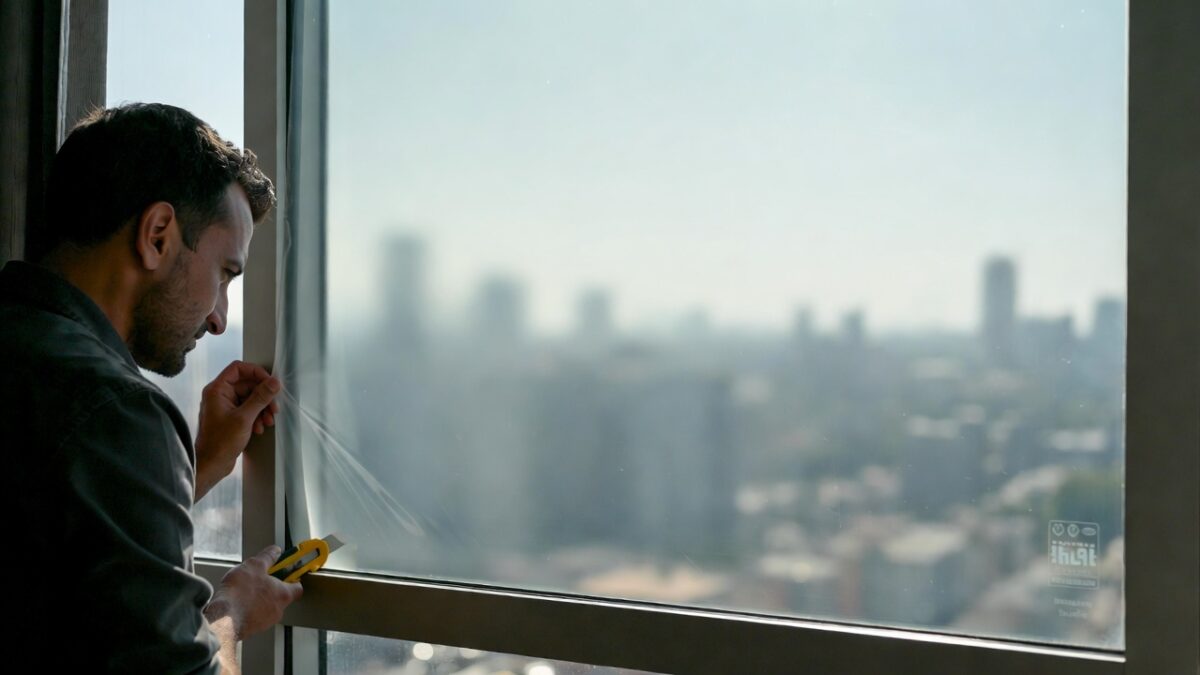
Professional window tint installation

by Паша Грановский (https://unsplash.com/@ad_honores)

Choosing the right window tint is only part of the process. Proper installation is crucial to ensure the film performs as expected and lasts for years. Professional installation is highly recommended for the following reasons:

  • Precision: Professionals ensure that the tint is cut and applied precisely, without bubbles or imperfections. This precision is key to achieving a seamless look that enhances the overall aesthetic of your windows.
  • Durability: Expert installation enhances the longevity of the tint, providing lasting benefits. Properly installed films are less likely to peel or bubble over time, ensuring you get the most out of your investment.
  • Warranty: Many professional services offer warranties, giving you peace of mind with your investment. This added assurance can be invaluable, particularly if issues arise in the future.

Real-World Applications and Case Studies

Enhancing Home Aesthetics

An interior designer recently worked with a homeowner to transform their living room. By selecting a light gray tint with a 50% VLT, they maintained the room’s brightness while reducing glare on the television screen. The result was a more comfortable and stylish space that met the homeowner’s needs. This case highlights how thoughtful selection of window tint can enhance both functionality and style in home design.

Energy Efficiency in Action

In another case, a homeowner opted for a darker tint with a 25% VLT for their sunroom. This decision significantly reduced the room’s temperature during the summer months, leading to noticeable energy savings and increased comfort. The reduction in cooling costs was an added benefit that underscored the practical advantages of window tinting for energy management.

Conclusion

Understanding window tint shades and VLT levels is essential for making informed decisions that enhance your home’s comfort, aesthetics, and energy efficiency. By carefully considering your needs and consulting with professionals, you can select the ideal tint solution tailored to your requirements. This understanding empowers you to make strategic choices that align with both your lifestyle and budget.

Whether you aim to improve privacy, reduce energy costs, or enhance the look of your home, window tinting offers a versatile solution. Explore the range of options available and transform your living spaces with the right window film today. With the right approach, window tinting can be a simple yet effective way to elevate your home’s performance and appeal.

Categories
Window Films and Tint

Window Films Explained for Toronto Homes and Businesses: Solar, Security, Decorative, and Privacy

Window films are one of the most searched upgrades for homes and businesses in Toronto and the GTA. People search for window films when rooms feel too hot, glare makes work hard, floors start fading, or privacy feels gone. Others want safer glass without replacing windows. Window films solve these problems fast and with less cost than new windows.

Toronto has strong summer sun, cold winters, and buildings packed close together. Condos downtown. Shops on busy streets. Offices with full glass walls. Because of this, choosing the right window films matters. The wrong choice can waste money and still leave problems behind.

This guide explains how window films work and breaks down the four main types used across Toronto and the GTA. Solar window film, security film, decorative film, and privacy film each do something different. Once you know what each one does, choosing the right window films becomes much easier.

If you want a local overview of how window films are used in real homes and commercial spaces, this resource from Tintly Window Films explains common applications across the GTA.

Solar Window Films for Heat and Glare Control

Solar window films are the most common window films installed in Toronto. They are used to reduce heat, glare, and UV rays. Buildings with large glass areas heat up fast, especially in areas like CityPlace, King West, and along the waterfront.

Solar window films reflect and absorb solar energy before it passes through the glass. This keeps indoor temperatures more stable and helps air conditioners run less.

A condo near Queens Quay had a living room that became too hot before noon in summer. After solar window film was installed, the room stayed cooler all afternoon. Glare on the TV dropped. The AC ran less often. Comfort improved right away.

Solar window films also help protect interiors. UV rays fade hardwood floors, furniture, rugs, and retail displays. Shops along Queen Street West and homes in Leslieville often see fading near windows.

Health Canada explains why reducing UV exposure matters, even indoors, in its guide on sun safety and UV exposure.

Solar window films also help during winter. They slow heat loss through glass. Toronto winters are long and cold. Small energy savings add up over time.

Solar window films come in many shades. Some are nearly clear. Others are more reflective. The goal is comfort, not making rooms dark.

If heat and glare are the main issue, learning how solar window films work helps narrow the choice faster.

Security Window Films for Safer Glass

Security window films focus on glass safety. They do not stop glass from breaking. They hold broken glass together.

Security window films are thicker than standard window films. When glass breaks, shards stay attached to the film. This slows entry and lowers injury risk.

Security window films are common in ground-floor homes, retail stores, clinics, and offices across Scarborough and North York.

A small storefront near Yonge Street installed security window film after a break-in shattered their front window. Months later, another impact cracked the glass but did not create an opening. Cleanup was quicker and nothing was stolen.

Security window films also help with accidents and storms. Patio doors, glass doors, and interior partitions are safer when glass stays in place.

Some security films block UV rays too, but their main role is glass retention. Install quality matters. Weak edges reduce strength.

This guide on security window films explains how they protect glass in real situations.

Decorative Window Films for Privacy and Style

Decorative window films are used when privacy is needed but light still matters. They are common in offices, clinics, bathrooms, and meeting rooms.

Decorative window films can look frosted, etched, or patterned. Some include custom designs or logos. They block direct views while letting daylight pass.

An office in Mississauga replaced old blinds with decorative window film in meeting rooms. The rooms felt brighter and more open. Cleaning became easier. Privacy stayed.

Homes also use decorative window films on bathroom windows, front doors, and side panels. Curtains are not always wanted. Decorative film keeps rooms feeling open.

Decorative window films are not permanent. They can be removed or changed later without damaging glass when installed correctly.

These window films focus more on privacy and design than heat control, though some versions still reduce UV.

Many homeowners first learn how frosted window film works before picking a final design.

Privacy Window Films for Street-Facing Windows

Privacy window films reduce visibility into a space. The most common type is one-way mirror film.

During the day, exterior light reflects off the glass and limits what people can see inside. At night, interior lighting can reverse the effect. This surprises some owners.

Privacy window films are popular in downtown condos, storefronts, and offices near sidewalks. Vaughan and Richmond Hill see high use in newer buildings.

A ground-floor condo near Bloor Street installed privacy window film to block views from foot traffic. Daytime privacy improved right away. At night, better lighting solved the issue.

Privacy window films often overlap with solar window films. Many reduce glare and UV while adding daytime privacy.

This guide on privacy window films helps compare options before choosing.

How Window Films Are Used Together in Real Properties

Most homes and businesses use more than one type of window film. There is no single setup that fits every space.

Condos often use solar window films in living areas, privacy window films on street-facing glass, and decorative window films in bathrooms.

Retail stores combine solar window films for comfort and security window films for glass protection.

Offices mix decorative and privacy window films based on how each room is used.

Matching the problem to the right window films saves money and avoids redo work.

Seasonal Window Film Needs in Toronto

Toronto seasons change fast. Summer brings heat and glare. Winter brings drafts and heat loss.

Window films work all year. Solar window films reduce summer heat and slow winter heat loss. Security window films add protection during storm season.

Spring and fall are popular install times. Temperatures are mild and install conditions are better.

Natural Resources Canada explains how much heat escapes through windows in its guide on window heat loss and upgrades.

Why Professional Installation Makes a Difference

Window films are sensitive to install quality. Dust, moisture, and uneven pressure cause bubbles and peeling.

Glass type matters. Double-pane glass. Low-E coatings. Older homes. New condos. Each reacts differently.

Professional installers test glass, recommend film types, and apply films cleanly.

DIY film often fails early and needs removal, which adds cost later.

Next Steps for Toronto Property Owners

Window films fix real problems. Heat. Glare. Privacy. Safety. Energy use.

The right window films depend on your space and goals. Solar, security, decorative, and privacy window films each solve different issues.

If you want local advice from a team that installs window films across Toronto and the GTA every week, speak with a professional.

Visit Tintly Window Films to see which window films fit your home or business.

Categories
Window Films and Tint

Expert Picks The Best Window Films for Homeowners

In this article, we’ll explore some of the top window films recommended by experts, focusing on their unique features and advantages. We aim to help you make an informed decision that aligns with your specific requirements and preferences. Whether you’re a new homeowner looking to personalize your space or someone aiming to upgrade your home’s functionality, the right window film can make a significant impact.

Modern home with window films

Window films are thin layers of polyester or vinyl that adhere to your windows. They serve various purposes, including reducing glare, blocking UV rays, and providing an extra layer of security. These films can also enhance your home’s energy efficiency by minimizing heat gain during the summer and preventing heat loss during the winter, ultimately helping you save on energy bills.

Different types of window films are tailored to meet specific needs, whether it’s for a residential or commercial setting. They are available in a variety of styles and finishes, allowing homeowners to select films that not only serve a functional purpose but also add to the aesthetic appeal of their living spaces. As innovations in window film technology continue to evolve, newer products offer enhanced features that address modern-day concerns such as sustainability and smart home integration.

Types of Window Films

  1. Solar Control Films: These films are designed to reduce the amount of solar heat entering your home. They can lower cooling costs, reduce glare, and block harmful UV rays that can fade your furniture and flooring. Solar control films are particularly beneficial for homes with large, sun-exposed windows, providing a cooler and more comfortable environment indoors.
  2. Privacy Films: These films provide added privacy by making it difficult for people outside to see into your home. They are available in various styles, from frosted and etched designs to colored and decorative patterns. Privacy films are ideal for areas of the home that are close to public spaces or neighbors, offering a discreet solution without sacrificing natural light.
  3. Security Films: Security films add a layer of protection by holding glass together in case of breakage. This can help prevent injuries from shattered glass and deter potential intruders. They are often used in combination with other security measures to provide a comprehensive approach to home safety, making them a valuable investment for peace of mind.
  4. Decorative Films: Ideal for enhancing the aesthetic appeal of your home, decorative films come in a wide range of patterns and colors. They can add a touch of elegance to any room without the cost of etched or stained glass. Decorative films allow homeowners to express their personal style, transforming ordinary windows into stunning focal points.

Top Picks for Window Films

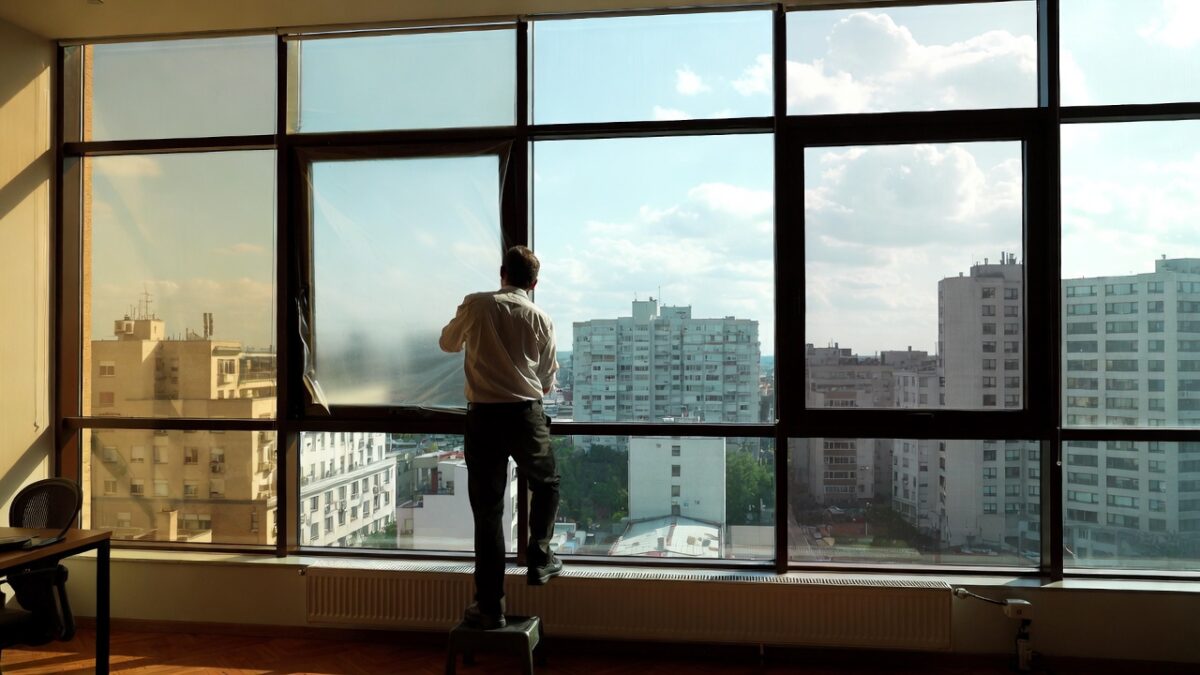
Window film installation tools

Best Solar Control Film: 3M Sun Control Window Film

The 3M Sun Control Window Film is a top choice for homeowners looking to improve energy efficiency. It effectively reduces heat and glare while allowing natural light to illuminate your space. This film can block up to 99% of harmful UV rays, protecting your interior furnishings from fading. Its durability and clarity make it a long-term solution that not only boosts comfort but also protects your investment in home furnishings.

3M’s reputation for quality ensures that this film delivers on its promises, offering advanced technology that balances light management with energy savings. For homeowners seeking a sustainable option, this film contributes to reducing your carbon footprint by lowering the need for air conditioning during hot months.

Best Privacy Film: Rabbitgoo Window Privacy Film

For those seeking privacy without sacrificing natural light, the Rabbitgoo Window Privacy Film is an excellent option. Its frosted design ensures that while light can still enter, prying eyes cannot see inside. It’s also easy to apply and remove, making it a flexible choice for renters. The film’s adhesive-free design means it can be reused, providing a cost-effective solution for temporary or permanent privacy needs.

In addition to privacy, Rabbitgoo films can also enhance the visual appeal of your windows, offering a modern and stylish look that complements any home décor. It’s an ideal choice for bathrooms, bedrooms, or any space where you desire a little more seclusion.

Best Security Film: BDF S8MC Security and Safety Film

The BDF S8MC Security and Safety Film is designed to strengthen glass and prevent shattering. This added layer of protection can deter break-ins and reduce the risk of injury from broken glass. It’s a clear film, so it won’t alter the appearance of your windows, making it suitable for both residential and commercial properties.

Security films like the BDF S8MC are an excellent choice for homeowners concerned with safety, offering a simple yet effective way to enhance the security of any glass surface. By investing in this type of film, you add a crucial layer of protection against natural disasters, accidental impacts, and potential burglaries.

Best Decorative Film: Coavas Window Film

The Coavas Window Film offers an affordable way to add style and privacy to your home. Available in a variety of patterns and textures, it’s perfect for personalizing your space. This film also provides some UV protection and reduces glare, making it a practical as well as aesthetic addition to your home.

Decorative films from Coavas can transform plain glass into a statement piece, offering flexibility for seasonal changes or themed room designs. They are easy to install and remove, allowing you to change up your interior style as often as you like without permanent alterations.

Benefits of Installing Window Films

Enhanced Privacy

Private home window with frosted film

by Pascal Lottenbach (https://unsplash.com/@deyboncrow)

Privacy window films are a cost-effective solution for rooms that face busy streets or are adjacent to neighbors. They allow you to enjoy natural light without compromising privacy. By using these films, you can create a serene and secure environment, shielding your home from unwanted views while maintaining an open and airy feel.

Additionally, privacy films can be used strategically in home offices or shared living spaces to delineate areas without the need for heavy curtains or blinds. This approach maintains an open-plan feel while providing necessary seclusion.

Improved Energy Efficiency

By reducing heat gain and loss, window films can help maintain a comfortable indoor temperature year-round. This can lead to significant savings on heating and cooling costs, making your home more energy-efficient. Window films can play a crucial role in sustainable living, reducing reliance on HVAC systems and lowering electricity consumption.

Energy-efficient films are an investment in your home’s long-term value, as they contribute to a greener lifestyle and may increase the overall resale value of your property. As utility costs continue to rise, the savings generated by these films can be substantial over time.

UV Protection

Window films that block UV rays can protect your skin and prevent fading of your interior furnishings. This is particularly beneficial for homes with large windows that receive direct sunlight. By filtering out harmful rays, these films preserve the vibrancy of your interior colors and extend the life of your furniture and flooring.

UV protection films are essential for maintaining the health of your home’s occupants, as prolonged exposure to UV rays can lead to skin damage. These films provide an added layer of defense, making them a worthwhile addition to any sun-drenched space.

Increased Security

Security films add an extra layer of protection by holding glass together in case of impact. This can prevent injuries from flying glass shards and deter potential intruders. By reinforcing your windows, security films make it harder for burglars to gain entry, buying valuable time in the event of an attempted break-in.

In addition to crime prevention, these films provide safety during natural disasters such as storms or earthquakes, where flying debris can pose a significant hazard. The peace of mind offered by security films is invaluable for protecting both your property and your loved ones.

Aesthetic Enhancement

Decorative window films offer a versatile way to enhance your home’s appearance. With a wide range of styles and designs, they allow you to customize your windows to match your interior décor. From modern geometric patterns to classic frosted designs, decorative films can elevate the look of any room.

The ability to change your home’s aesthetic without permanent alterations is a significant advantage of decorative films. They offer a quick and easy way to update your space, allowing you to experiment with different looks and styles without committing to a full renovation.

How to Choose the Right Window Film

Assess Your Needs

Before selecting a window film, consider what you hope to achieve. Are you looking for increased privacy, improved energy efficiency, or enhanced aesthetics? Understanding your priorities will help narrow down your options. By clearly defining your goals, you can focus on films that offer the most significant benefits for your specific situation.

Take stock of your home’s unique characteristics, such as window size, orientation, and existing treatments, to determine which type of film will best complement your lifestyle and enhance your living environment.

Consider the Location

The location of your windows can influence your choice of film. For example, solar control films are ideal for south-facing windows that receive a lot of sunlight, while privacy films are great for bathrooms and bedrooms. Each area of your home may have different requirements, so tailor your film selection to address the specific challenges and opportunities presented by each space.

By evaluating the direction and exposure of your windows, you can choose films that maximize efficiency and comfort, creating a cohesive and well-balanced home environment.

Evaluate the Film’s Features

Look for films that offer multiple benefits. For instance, a film that provides both UV protection and energy efficiency can offer greater value. Assess the durability, ease of installation, and maintenance requirements of each film to ensure it aligns with your expectations and lifestyle.

Consider the long-term performance of the film, including its ability to withstand environmental factors such as temperature changes and moisture. A well-chosen film will continue to perform effectively for years, making it a wise investment for your home.

Professional Installation vs. DIY

While some window films are easy to install yourself, others may require professional installation to ensure the best results. Consider your budget and the complexity of the installation when making your decision. DIY installation can be a cost-saving option, but professional services may guarantee a flawless finish and warranty support.

Evaluate your skills and available time when deciding between DIY and professional installation. If in doubt, consulting with a professional can provide valuable insights and ensure optimal results, enhancing the overall effectiveness of your chosen window film.

Conclusion

Window films are a versatile and cost-effective solution for enhancing your home’s privacy, energy efficiency, and aesthetic appeal. By selecting the right film for your needs, you can enjoy a more comfortable and secure living environment. The range of options available ensures that there is a perfect film for every home, regardless of style or function.

Whether you opt for solar control, privacy, security, or decorative films, each offers unique benefits that can transform your space. Be sure to assess your needs, consider the location of your windows, and evaluate the features of each film to make an informed decision. With careful consideration and planning, you can select a window film that meets your needs and elevates your home’s overall appeal.

With the right window film, you’ll not only improve your home’s functionality but also its overall beauty. So take the time to explore your options and choose the best window film to meet your needs. The right choice will enhance your home’s value, comfort, and security, making it a worthwhile investment for any homeowner.

Categories
Window Films and Tint

Window Films in Toronto: A Straightforward Guide for Homes, Condos, and Offices

Window films are one of the most searched window solutions in Toronto and the GTA. People look for window films when heat builds up inside, glare makes screens hard to see, or privacy feels lost. Window films fix these problems without replacing windows or doing major construction.

This guide explains window films in simple terms. It covers decorative window film, privacy film, and office window film. It is written for beginners who want real answers before spending money.

Across Toronto, the same problems show up every year. Condos near Harbourfront overheat by noon. Retail stores on Queen Street fight glare all afternoon. Older homes in East York feel cold in winter and too bright in summer. Window films are often the fastest fix.

What This Guide Covers About Window Films

  • What window films do and how they work
  • The difference between decorative, privacy, and office window film
  • Which window films work best in Toronto buildings
  • Common mistakes first-time buyers make
  • When professional installation actually helps

What Are Window Films and Why They Matter in Toronto

Window films are thin layers installed directly on glass. They control how light, heat, and visibility pass through the window. Window films do not replace glass. They improve how existing glass performs.

Toronto buildings use a lot of glass. Condos rely on floor-to-ceiling windows. Offices use glass walls and storefronts. Many older homes still have clear glass with no coating. This lets heat, glare, and UV enter all year.

Window films help with daily problems:

  • Lower indoor heat during summer
  • Reduce glare on TVs and monitors
  • Add privacy without dark rooms
  • Slow fading of floors and furniture

Many property owners compare window films with full window replacement. Film costs less and installs faster in most cases. This is why many Toronto owners start here: window films over replacements.

Decorative Window Films for Homes and Workspaces

Decorative window films change how glass looks while still letting light in. They are common in bathrooms, clinics, offices, and front doors across Toronto.

Decorative window films include frosted finishes, etched glass looks, stripes, gradients, and simple patterns. Some offices add logos or branding for privacy.

New local example. A wellness clinic near Sheppard Avenue had glass treatment rooms facing a hallway. Clients felt exposed. Frosted decorative window film fixed the issue. Light stayed bright. Privacy returned. Curtains were removed.

Homeowners often use decorative window films on:

  • Bathroom windows
  • Front door glass panels
  • Side windows near entrances

Decorative window film focuses on style and soft privacy. It does not block heat like solar film. It works best where natural light matters.

This guide shows how decorative film balances style and privacy: decorative window films for style and privacy.

Privacy Window Films in Toronto Condos and Houses

Privacy window films control what people can see through glass. They are widely used in Toronto condos and ground-level homes.

Privacy window films include frosted film, reflective film, and one-way mirror film. Each behaves differently based on lighting.

One-way privacy film reflects daylight. During the day, people outside see a mirror look. At night, indoor lighting can reduce that effect.

Frosted privacy window film blocks views day and night. This is why it works well for bathrooms and entry doors.

New condo example. A unit near Yonge and Davisville faced another tower very close. Curtains stayed shut all day. Frosted privacy window film let daylight in and blocked views. The room felt bigger again.

Many privacy window films also reduce UV and solar heat. This helps protect furniture and flooring.

This step-by-step guide explains how to get privacy without losing light: privacy window film for homes.

Office Window Films for Toronto and GTA Businesses

Office window films fix glare, heat, and privacy problems in workspaces. These issues show up fast in glass-heavy offices.

Toronto offices near Bay Street and Mississauga City Centre deal with strong sun. Screens get hard to see. Blinds close. Lights turn on.

Office window films filter sunlight instead of blocking it.

Common office window film options include:

  • Solar window films for heat and glare
  • Decorative films for meeting rooms
  • Neutral tints for comfort without dark glass

New business example. A small accounting office in Scarborough had glare every afternoon. Solar window film reduced glare enough that blinds stayed open. Staff stopped moving desks around.

Office window films install fast. Many installs happen after hours. No long downtime.

This overview helps compare options for workspaces: window films for offices and retail spaces.

Common Beginner Mistakes With Window Films

One common mistake is choosing film based only on darkness. Dark does not always mean cooler. Some clear window films block more heat.

Another mistake is using DIY film on large windows. Small bubbles and edges show fast. Peeling can start early.

Many people forget window direction. South-facing glass needs different film than north-facing glass.

This guide explains what to check before install: installing window films the right way.

Why Window Films Work All Year in Toronto

Window films help in every season. In summer, they cut heat and glare. In winter, they help keep indoor comfort more stable.

Search trends show interest in window films rises every spring in Toronto. That’s when heat and glare become hard to ignore.

Window films now sit beside blinds and curtains as standard window treatments.

Helpful Resources About Window Films

Health Canada explains UV exposure and indoor sun risks here: Health Canada sun safety.

Natural Resources Canada explains how solar heat affects buildings and energy use: Natural Resources Canada energy efficiency.

Get Help With Window Films in Toronto and the GTA

If you are thinking about window films for your home, condo, or office, start with local advice.

Every building is different. The right film depends on light, glass type, and how the space is used.

If you want clear answers and professional installation, visit Tintly Window Films to ask questions or request a quote. A simple window film upgrade can fix heat, glare, and privacy in one move.

Categories
Window Films and Tint

Office and Commercial Window Films Explained: A Practical Guide for Toronto Businesses

Window films are one of the most searched upgrades for offices and commercial buildings in Toronto and across the GTA. Business owners search for window films when rooms feel too hot, screens glare all day, furniture fades fast, or privacy feels off in glass-heavy spaces. Modern buildings look clean and open, but glass creates daily problems that don’t fix themselves. That’s why searches like “window films Toronto” and “commercial window films near me” keep growing every year.

This guide explains window films using real examples from Toronto, North York, Vaughan, Markham, Mississauga, and Scarborough. It breaks down office window film and business window film in simple terms. The goal is clear. Help you choose window films that solve real issues without wasting time or money.

Why Window Films Matter in Toronto and the GTA

Toronto weather puts glass to work. Summer sun pours in and heats rooms fast. Winter makes windows feel cold and drafty. Spring and fall bring low sun that hits desks and counters straight on.

Older offices near Bay Street still rely on large glass panels with little protection. Newer buildings in Vaughan and Markham use modern glass, but glare and heat still cause daily complaints. Window films help manage these issues without changing the look of the building.

Window films block solar heat, soften harsh light, and filter UV rays. UV rays fade carpets, desks, chairs, and retail displays. Window films slow that damage and help interiors last longer.

Comfort also improves. Staff near windows stop overheating. People farther away stop freezing. It sounds basic, but teams notice the change fast.

If you want a simple overview of how window films work, this guide on window films basics explains the core ideas in plain language.

Office Window Film and How It’s Used

Office window film is a type of window films made for spaces where people work at desks for long hours. This includes open offices, private offices, boardrooms, meeting rooms, and reception areas.

The main goal of office window film is comfort. It reduces glare on screens and lowers heat while keeping natural light.

An office near Yonge and Bloor called after staff kept closing blinds before noon. Screens were hard to read and desks kept moving. After installing office window film, glare dropped and blinds stayed open. The office felt calmer. Less shuffling. Less noise.

Office window films usually look clear or lightly tinted. Clients often don’t notice them, which matters in law firms, accounting offices, and medical clinics.

Privacy is another reason offices use window films. HR rooms and boardrooms often use frosted film. It blocks views but still lets daylight through.

Most office window films block up to 99% of UV rays. This helps protect vinyl floors, desks, chairs, and artwork from fading. Offices with large windows see this damage quickly.

Why offices install window films

  • Reduce glare on screens
  • Lower heat near windows
  • Improve staff comfort
  • Add light privacy
  • Protect interiors from UV

For offices that need privacy without dark rooms, this article on privacy window film options explains how different films work.

Business Window Film for Commercial Properties

Business window film is a broader category of window films. It includes offices, retail stores, restaurants, gyms, clinics, warehouses, and mixed-use buildings.

Retail shops along Queen Street and in Mississauga plazas face direct sun most of the day. Displays fade fast and rooms heat up quickly. Business window films help block UV and reduce heat near storefront windows.

A small clothing store in Brampton replaced mannequins twice in one year because of sun damage. After installing window films focused on UV control, fading slowed and the store stayed cooler during busy summer afternoons.

Security also matters for many businesses. Thicker safety window films help hold glass together when it breaks. This slows entry during smash-and-grab attempts and reduces flying glass.

Gyms and clinics use privacy window films so people inside feel comfortable while daylight still comes through. Restaurants use window films to reduce heat near kitchens and front windows.

If security matters for your space, this guide on security window films explains how these films protect glass.

Why businesses use window films

  • Protect products from sun damage
  • Reduce heat in large spaces
  • Add privacy in public areas
  • Improve glass safety
  • Lower cooling strain

Office Window Film vs Business Window Film

Office window film is a type of business window film. The difference comes down to how the window films are used.

Office window films focus on comfort and glare control. Business window films focus on performance across many building types.

Office films are usually lighter and subtle. Business films may be thicker, darker, or reflective.

Cost can vary. Office window films often cost less per square foot. Business window films made for safety or heavy heat control cost more due to materials and install time.

Many Toronto buildings use both. Offices upstairs use office window films. Storefronts below use business window films.

Seasonal Problems Window Films Help Fix

Summer brings the most complaints. Sun angles change. Heat builds fast. AC systems struggle.

Spring and fall cause glare problems. Low sun hits desks and counters directly. Screens become hard to read.

Winter feels different. Glass feels cold. Drafts form near windows. Some window films help reduce radiant heat loss, though they are not insulation.

Last spring, several North York offices called after morning glare made screens unusable. After installing office window films, glare dropped and blinds stayed open.

Choosing the Right Window Films

Start with the problem. Not the film name.

If glare and comfort matter most, office window films usually work best. If fading, security, or heat in large spaces matter more, business window films are often a better fit.

Glass type matters. Older glass reacts differently than modern double-pane glass.

Appearance matters too. Offices usually want clear views. Retail spaces may want reflective looks. Gyms often want privacy.

This guide on choosing the right window film helps match film types to real needs.

Cost and Long-Term Value of Window Films

Window film pricing depends on film type, glass size, and building layout.

Office window films usually cost less than thicker security films. Both help save money over time by lowering cooling use and reducing interior damage.

Natural Resources Canada explains how reducing heat gain lowers energy use here: Natural Resources Canada – Energy Efficiency.

The U.S. Department of Energy also explains how window treatments affect heat and glare: U.S. Department of Energy – Windows.

Local Experience With Window Films in Toronto

A mid-sized office near Eglinton and Don Mills installed window films after summer complaints increased. After installation, AC use dropped and staff stopped shifting desks.

A fitness studio in Vaughan used frosted business window films for privacy. Members felt more comfortable and daylight stayed strong.

These results came from choosing the right window films, not guessing.

Get Help With Window Films in Toronto

If you are searching for window films in Toronto or the GTA, working with a local installer helps avoid mistakes. Local installers understand building styles, sun paths, and seasonal issues.

The right window films improve comfort, protect interiors, and lower long-term costs.

To get help choosing window films for your office or business, visit Tintly Window Films and speak with a local window film specialist.
Categories
Window Films and Tint

Office and Commercial Window Films Explained: A Practical Guide for Toronto Businesses

Window films are one of the most searched upgrades for offices and commercial buildings in Toronto and across the GTA. Business owners search for window films when rooms feel too hot, screens glare all day, furniture fades fast, or privacy feels off in glass-heavy spaces. Modern buildings look clean and open, but glass creates daily problems that don’t fix themselves. That’s why searches like “window films Toronto” and “commercial window films near me” keep growing every year.

This guide explains window films using real examples from Toronto, North York, Vaughan, Markham, Mississauga, and Scarborough. It breaks down office window film and business window film in simple terms. The goal is clear. Help you choose window films that solve real issues without wasting time or money.

Why Window Films Matter in Toronto and the GTA

Toronto weather puts glass to work. Summer sun pours in and heats rooms fast. Winter makes windows feel cold and drafty. Spring and fall bring low sun that hits desks and counters straight on.

Older offices near Bay Street still rely on large glass panels with little protection. Newer buildings in Vaughan and Markham use modern glass, but glare and heat still cause daily complaints. Window films help manage these issues without changing the look of the building.

Window films block solar heat, soften harsh light, and filter UV rays. UV rays fade carpets, desks, chairs, and retail displays. Window films slow that damage and help interiors last longer.

Comfort also improves. Staff near windows stop overheating. People farther away stop freezing. It sounds basic, but teams notice the change fast.

If you want a simple overview of how window films work, this guide on window films basics explains the core ideas in plain language.

Office Window Film and How It’s Used

Office window film is a type of window films made for spaces where people work at desks for long hours. This includes open offices, private offices, boardrooms, meeting rooms, and reception areas.

The main goal of office window film is comfort. It reduces glare on screens and lowers heat while keeping natural light.

An office near Yonge and Bloor called after staff kept closing blinds before noon. Screens were hard to read and desks kept moving. After installing office window film, glare dropped and blinds stayed open. The office felt calmer. Less shuffling. Less noise.

Office window films usually look clear or lightly tinted. Clients often don’t notice them, which matters in law firms, accounting offices, and medical clinics.

Privacy is another reason offices use window films. HR rooms and boardrooms often use frosted film. It blocks views but still lets daylight through.

Most office window films block up to 99% of UV rays. This helps protect vinyl floors, desks, chairs, and artwork from fading. Offices with large windows see this damage quickly.

Why offices install window films

  • Reduce glare on screens
  • Lower heat near windows
  • Improve staff comfort
  • Add light privacy
  • Protect interiors from UV

For offices that need privacy without dark rooms, this article on privacy window film options explains how different films work.

Business Window Film for Commercial Properties

Business window film is a broader category of window films. It includes offices, retail stores, restaurants, gyms, clinics, warehouses, and mixed-use buildings.

Retail shops along Queen Street and in Mississauga plazas face direct sun most of the day. Displays fade fast and rooms heat up quickly. Business window films help block UV and reduce heat near storefront windows.

A small clothing store in Brampton replaced mannequins twice in one year because of sun damage. After installing window films focused on UV control, fading slowed and the store stayed cooler during busy summer afternoons.

Security also matters for many businesses. Thicker safety window films help hold glass together when it breaks. This slows entry during smash-and-grab attempts and reduces flying glass.

Gyms and clinics use privacy window films so people inside feel comfortable while daylight still comes through. Restaurants use window films to reduce heat near kitchens and front windows.

If security matters for your space, this guide on security window films explains how these films protect glass.

Why businesses use window films

  • Protect products from sun damage
  • Reduce heat in large spaces
  • Add privacy in public areas
  • Improve glass safety
  • Lower cooling strain

Office Window Film vs Business Window Film

Office window film is a type of business window film. The difference comes down to how the window films are used.

Office window films focus on comfort and glare control. Business window films focus on performance across many building types.

Office films are usually lighter and subtle. Business films may be thicker, darker, or reflective.

Cost can vary. Office window films often cost less per square foot. Business window films made for safety or heavy heat control cost more due to materials and install time.

Many Toronto buildings use both. Offices upstairs use office window films. Storefronts below use business window films.

Seasonal Problems Window Films Help Fix

Summer brings the most complaints. Sun angles change. Heat builds fast. AC systems struggle.

Spring and fall cause glare problems. Low sun hits desks and counters directly. Screens become hard to read.

Winter feels different. Glass feels cold. Drafts form near windows. Some window films help reduce radiant heat loss, though they are not insulation.

Last spring, several North York offices called after morning glare made screens unusable. After installing office window films, glare dropped and blinds stayed open.

Choosing the Right Window Films

Start with the problem. Not the film name.

If glare and comfort matter most, office window films usually work best. If fading, security, or heat in large spaces matter more, business window films are often a better fit.

Glass type matters. Older glass reacts differently than modern double-pane glass.

Appearance matters too. Offices usually want clear views. Retail spaces may want reflective looks. Gyms often want privacy.

This guide on choosing the right window film helps match film types to real needs.

Cost and Long-Term Value of Window Films

Window film pricing depends on film type, glass size, and building layout.

Office window films usually cost less than thicker security films. Both help save money over time by lowering cooling use and reducing interior damage.

Natural Resources Canada explains how reducing heat gain lowers energy use here: Natural Resources Canada – Energy Efficiency.

The U.S. Department of Energy also explains how window treatments affect heat and glare: U.S. Department of Energy – Windows.

Local Experience With Window Films in Toronto

A mid-sized office near Eglinton and Don Mills installed window films after summer complaints increased. After installation, AC use dropped and staff stopped shifting desks.

A fitness studio in Vaughan used frosted business window films for privacy. Members felt more comfortable and daylight stayed strong.

These results came from choosing the right window films, not guessing.

Get Help With Window Films in Toronto

If you are searching for window films in Toronto or the GTA, working with a local installer helps avoid mistakes. Local installers understand building styles, sun paths, and seasonal issues.

The right window films improve comfort, protect interiors, and lower long-term costs.

To get help choosing window films for your office or business, visit Tintly Window Films and speak with a local window film specialist.