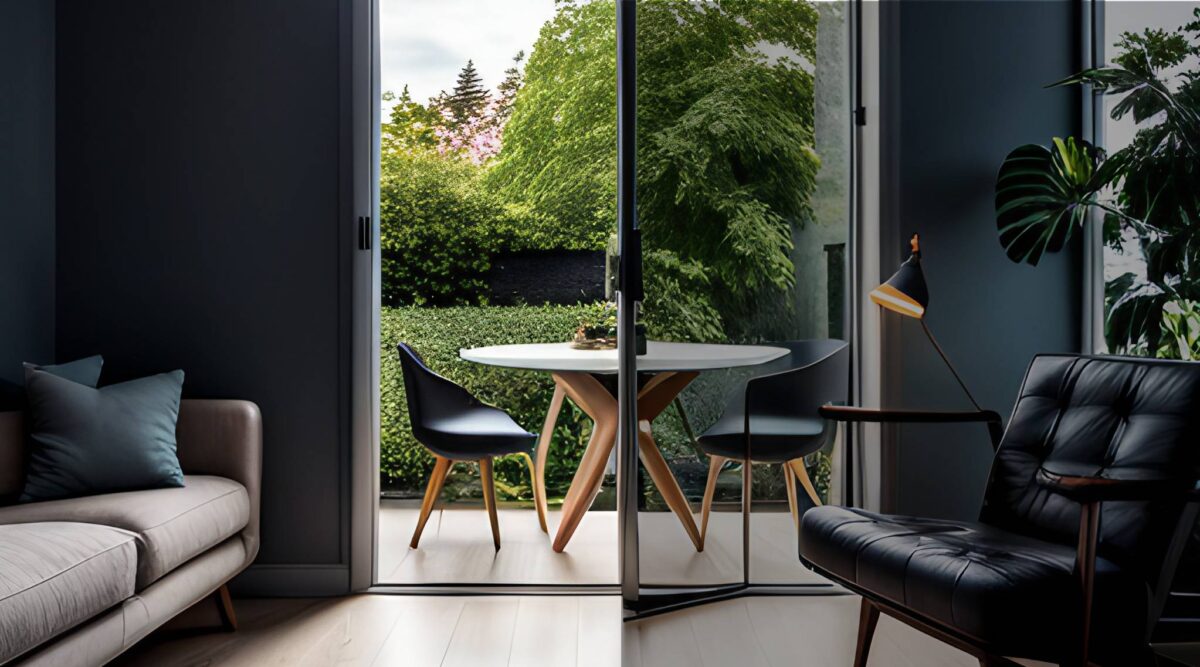
In the realm of home improvement, residential window tinting has emerged as a practical and stylish solution for homeowners looking to enhance their living spaces. If you’re an interior designer seeking to offer clients eco-friendly options that complement their homes’ aesthetic while also boosting energy efficiency, window tinting could be your answer.
In this article, we delve into the benefits of home window tinting, explore different types of privacy window films, and provide expert advice to help you select the right solution for your clients.

Improved Energy Efficiency
One of the primary advantages of residential window tinting is its ability to improve energy efficiency. By blocking a significant amount of solar heat, window films can reduce the need for air conditioning during hot summer months, leading to lower energy bills. This can be a compelling selling point for clients who are conscious of their carbon footprint and looking to save on monthly expenses.
Enhanced Privacy and Security
Privacy window films offer an excellent way to maintain natural light while ensuring that the interior of the home remains private. These films are particularly beneficial for homes in densely populated areas or those with large windows. Additionally, some window films can strengthen windows, making them more resistant to breakage, which enhances home security.
UV Protection
Residential window tinting can block up to 99% of the sun’s harmful UV rays. This not only helps to protect the skin of the home’s occupants but also prevents furniture, flooring, and artwork from fading over time, thus preserving the home’s interior design.
Aesthetic Appeal
Window films come in a variety of styles and shades, allowing homeowners to add a touch of elegance to their windows. Whether your clients prefer a sleek, modern look or something more traditional, there’s a window film that can meet their aesthetic preferences.
Types of Privacy Window Films

Reflective Films
Reflective window films are excellent for reducing glare and enhancing privacy during the daytime. They work by reflecting light away from the window, making it difficult for outsiders to see inside. These films are ideal for rooms that receive a lot of sunlight.
Frosted Films
Frosted window films provide privacy without sacrificing natural light. They are a popular choice for bathrooms and front doors, offering a subtle, elegant look while ensuring privacy.
Decorative Films
For clients interested in adding a decorative touch, there are numerous patterned and colored window films available. These films can mimic the look of etched glass or stained glass and can be customized to fit any design scheme.
Ceramic Films
Ceramic window films are known for their durability and ability to block UV rays and heat without compromising visibility. They are an excellent choice for clients who want a clear view without the glare.
Choosing the Right Window Tint for Your Clients
Assessing Client Needs
Every client is different, and understanding their specific needs is crucial in selecting the right window tint. Discuss with your clients their priorities—whether it’s energy savings, privacy, aesthetic preferences, or UV protection.
Considering the Location
The location of the home plays a significant role in the type of window film that would be most beneficial. For instance, homes in warmer climates might benefit more from films that offer higher heat rejection, whereas privacy films might be more suitable for urban settings.
Evaluating Window Orientation
The orientation of the windows can affect the amount of sunlight and heat they receive. South-facing windows, for instance, are exposed to more direct sunlight and might require a film with higher heat rejection.
Installation and Maintenance

by Bridget Adolfo (https://unsplash.com/@bridgetadolfo)
Professional Installation
While some homeowners might be tempted to install window films themselves, professional installation ensures a perfect fit and finish. Professional installers have the expertise to avoid bubbles and creases, ensuring that the film adheres correctly and functions as intended.
Maintenance Tips
Maintaining window films is relatively simple. Advise clients to clean their tinted windows with a soft cloth and a mild cleaning solution to prevent scratches. It’s also important to avoid using abrasive materials or ammonia-based cleaners, which can damage the film.
Conclusion
Residential window tinting offers a plethora of benefits, from enhanced privacy and improved energy efficiency to UV protection and aesthetic enhancement. As an interior designer, understanding the various options and their benefits allows you to provide your clients with tailored solutions that meet their specific needs.
By incorporating window tinting into your design projects, you can offer clients a cost-effective, stylish, and eco-friendly solution that enhances their home’s comfort and appeal. Whether they’re looking to save on energy bills, increase privacy, or protect their interiors, residential window tinting provides a versatile and valuable option for any homeowner.
By being informed and prepared, you can confidently guide your clients in making decisions that not only improve their living spaces but also align with their lifestyle and values. Embrace the potential of window tinting and elevate your home improvement solutions to new heights.