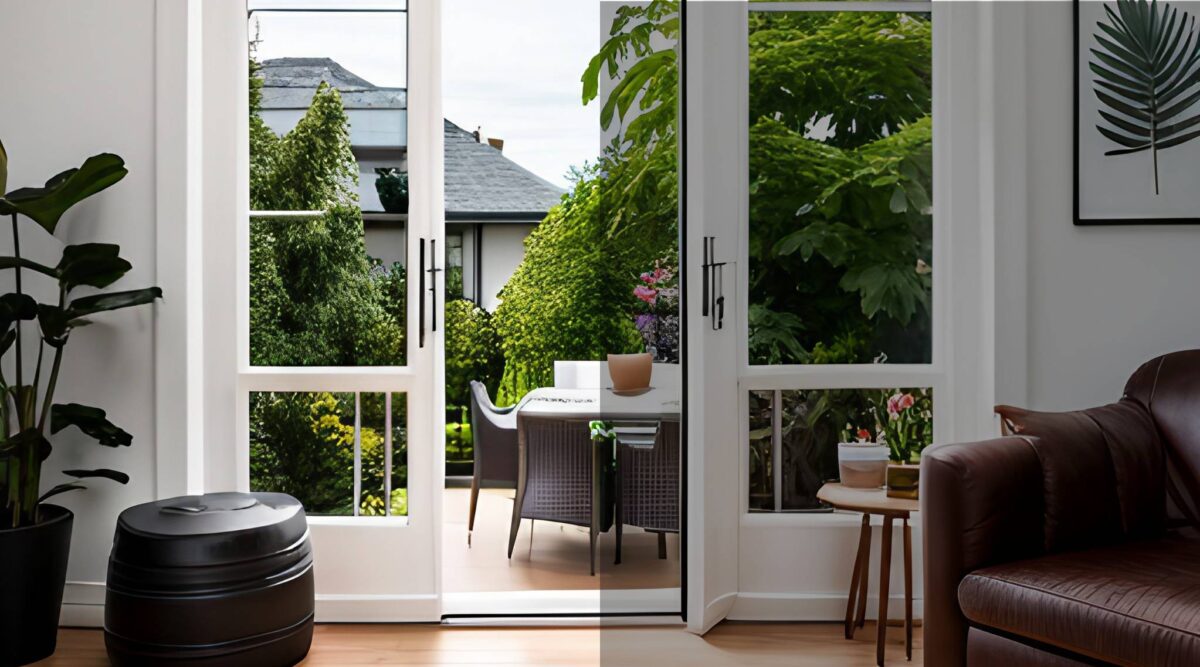
# How Window Films Can Help Trap Warm Air Indoors
As temperatures drop, homeowners often seek effective solutions to keep their homes warm without incurring sky-high energy bills. One such solution is the use of window films. Window films offer a practical and stylish way to enhance home insulation, helping to trap warm air indoors. In this article, we will explore the benefits of window films, their various types, and how they can be an invaluable addition to any home.

Understanding Window Films and Their Benefits
Window films are thin, multi-layered polyester materials applied to glass surfaces. They have several benefits, including energy efficiency, UV protection, and added privacy. Here’s a closer look at how these films can improve your home’s comfort and efficiency.
Energy Efficiency
Window films act as an additional layer of insulation for your windows. By reducing heat loss, they help maintain a stable indoor temperature, thus minimizing the need for constant heating. This leads to reduced energy consumption and lower utility bills—a win-win for homeowners and the environment.
UV Protection
One of the often-overlooked benefits of window films is their ability to block harmful ultraviolet (UV) rays. Prolonged exposure to UV rays can cause fading and damage to furniture, flooring, and artwork. Window films can block up to 99% of these rays, preserving the interior of your home and prolonging the life of your furnishings.

Enhanced Privacy
Privacy window films are designed to obscure the view from outside while maintaining visibility from the inside. This feature is particularly beneficial for homes located in densely populated areas or those with large windows that face the street. By using privacy films, you can enjoy natural light without compromising your privacy.
Types of Window Films
There are several types of window films available, each offering unique benefits. Understanding the options can help you choose the best film for your needs.
Decorative Window Films
Decorative window films are perfect for those looking to add a touch of style to their living spaces. Available in various patterns, colors, and textures, these films can transform ordinary windows into stunning design elements. They are an excellent choice for enhancing the aesthetic appeal of a room while providing privacy.
Privacy Window Films
Privacy window films are designed to prevent prying eyes from seeing into your home. Available in frosted, tinted, or mirrored finishes, these films are ideal for use in bathrooms, bedrooms, and other areas where privacy is paramount.
Insulating Window Films
Insulating window films are engineered to improve your home’s energy efficiency. These films reflect heat back into the room during winter, helping to maintain a comfortable indoor temperature. In summer, they can reduce heat gain, keeping your home cool and reducing the load on air conditioning systems.
Installation Process
Installing window films is a straightforward process, but it requires precision and care to ensure optimal performance and longevity. Here’s a step-by-step guide to the installation process.
- Preparation: Clean the window surface thoroughly to remove any dirt, dust, or grime. A clean surface ensures that the film adheres properly.
- Measurement and Cutting: Measure the window dimensions accurately and cut the film to size. Allow a slight overlap to ensure complete coverage.
- Application: Apply the film to the window, starting from the top and working your way down. Use a squeegee to smooth out any air bubbles and ensure a firm adhesion.
- Trimming: Trim any excess film along the edges using a sharp utility knife for a neat and professional finish.
- Curing: Allow the film to cure for a few days before cleaning or opening the windows. This ensures that the adhesive sets properly and the film remains securely in place.
Maintenance Tips
Window films require minimal maintenance, making them a convenient option for busy homeowners. Here are some tips to keep your films in top condition:
- Cleaning: Use a soft cloth or sponge and a mild soap solution to clean the films. Avoid abrasive cleaners or tools that could scratch the surface.
- Inspection: Periodically check the films for any signs of peeling or bubbling. Addressing these issues promptly can prevent further damage and prolong the life of the films.
- Avoid Sharp Objects: Be cautious when moving furniture or handling objects near the windows to prevent accidental damage to the films.
Real-World Applications
Interior designers and homeowners alike have embraced window films for their ability to enhance both function and style. Here are a few examples of how window films are being used in homes today:
- Living Rooms: Decorative films add a unique design element to large picture windows, creating a focal point in the room.
- Bathrooms: Privacy films allow natural light to filter in while ensuring privacy, making them ideal for bathroom windows.
- Home Offices: Insulating films help maintain a comfortable temperature in home offices, reducing energy costs and creating a more pleasant working environment.

by Alex Tyson (https://unsplash.com/@alextyson195)
Conclusion
Window films are a versatile and cost-effective solution for homeowners looking to improve their home’s energy efficiency, privacy, and aesthetics. With a variety of options available, there is a window film to suit every need and style. By investing in quality window films, you can enjoy a more comfortable living space while reducing your environmental footprint. Whether you’re an interior designer seeking innovative solutions or a homeowner looking to enhance your living environment, window films offer an excellent way to achieve your goals.
Incorporate window films into your home improvement plans today and experience the difference they can make in trapping warm air indoors and elevating your home’s overall appeal.