Categories
Window Films and Tint

Are Window Films Permanent or Easy to Remove

When it comes to enhancing your home’s aesthetics and improving energy efficiency, window films are a popular choice. They offer a range of benefits, from UV protection to increased privacy, without the need for heavy drapes or blinds. However, one common question homeowners and interior designers often ask is whether these films are permanent or easy to remove.

Close-up of window film application

Window films are thin, multi-layered polyester or vinyl-based materials applied to glass surfaces. They come in various types, each serving different purposes. Some are designed to reduce glare, others to enhance privacy, while certain films help in insulating windows, thereby reducing energy costs. The versatility of window films makes them an attractive option for those seeking both functional and aesthetic enhancements.

Types of Window Films

  1. Solar Control Films: These reduce heat and glare, making interiors more comfortable.
  2. Decorative Films: These offer aesthetic enhancements, with patterns or frosted effects.
  3. Security Films: These add an extra layer of protection by holding glass together in case of breakage.
  4. Privacy Films: These obscure the view into a room without blocking natural light.

Are Window Films Permanent?

The short answer is no, window films are not permanent. They are designed to be removable, which is one of their significant advantages.

Durability vs. Permanence

While window films are highly durable and can last several years, they are not permanent fixtures. Their lifespan can vary depending on the type of film, quality, and exposure to elements like sunlight and weather conditions. High-quality films can last up to 15 years, but they are crafted with the intention that they can be removed when necessary.

How Easy is it to Remove Window Films?

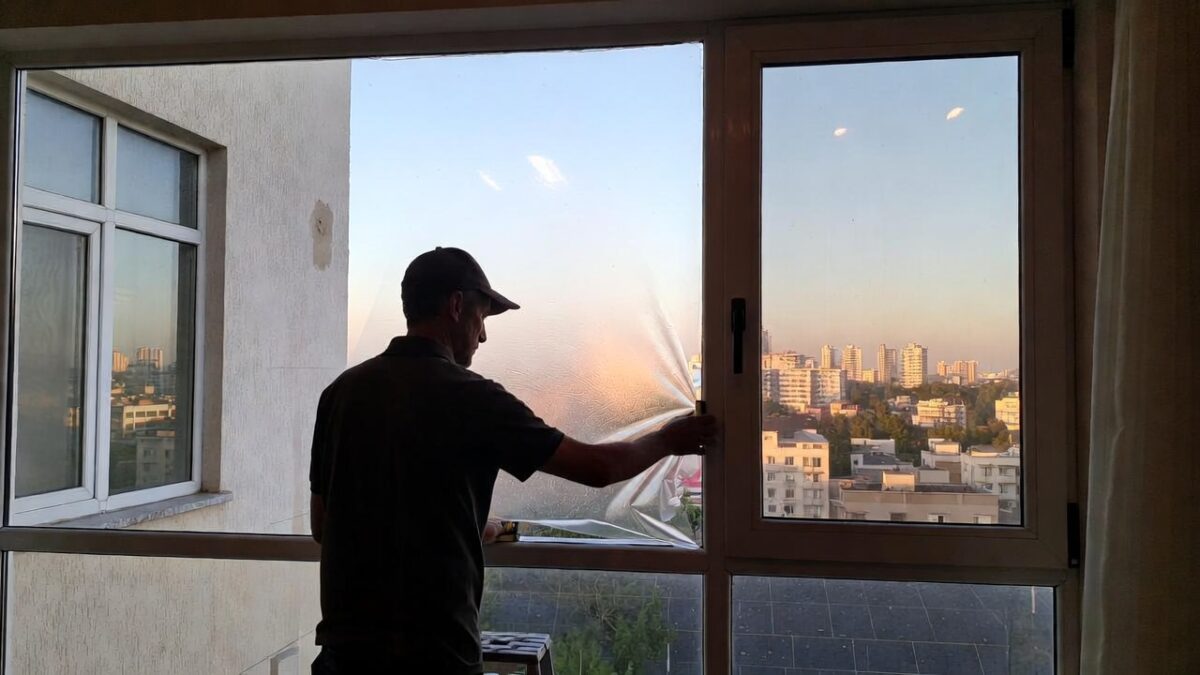
Person removing window film

Removing window films is generally a straightforward process, but it requires care to ensure the glass surface is not damaged in the process. Here’s a step-by-step guide to help you understand how it’s done:

Step-by-Step Guide to Window Film Removal

  1. Prepare Your Tools: You will need a utility knife, a spray bottle with soapy water or adhesive remover, a squeegee or scraper, and paper towels.
  2. Soften the Adhesive: Spray the soapy water or adhesive remover liberally onto the film. This helps to soften the adhesive, making it easier to peel off.
  3. Peel the Film: Start at a corner of the window and gently lift the film using the utility knife. Slowly peel the film away from the glass, keeping it wet with the solution to reduce the risk of tearing.
  4. Remove Residual Adhesive: After the film is removed, there might be some adhesive left on the glass. Spray more of the adhesive remover and use the scraper or a squeegee to gently scrape it off.
  5. Clean the Glass: Finally, clean the window thoroughly with glass cleaner to remove any remaining residue.

Tips for a Smooth Removal Process

  • Patience is Key: Take your time during removal to avoid scratching or damaging the glass.
  • Use Heat: If the adhesive is particularly stubborn, a hairdryer can be used to apply gentle heat, which can help loosen the film.
  • Professional Help: If you’re uncertain about removing the film yourself, consider hiring a professional to ensure a clean and damage-free removal.

Benefits of Removable Window Films

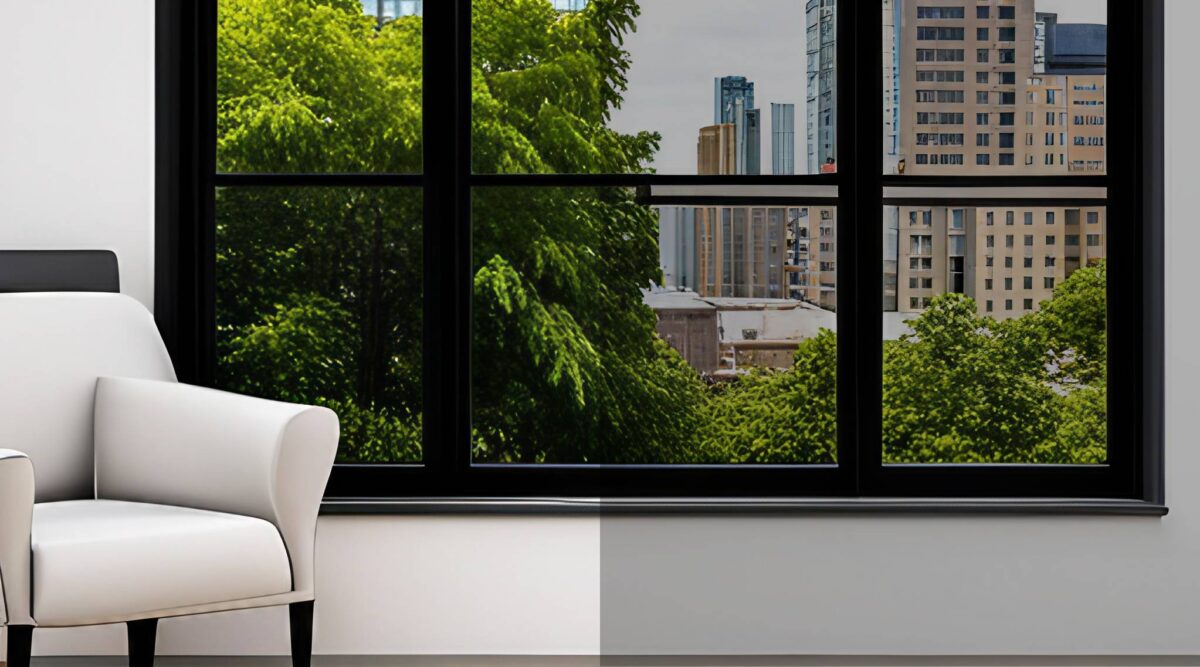
Modern living room with window film

by Evan Wise (https://unsplash.com/@evanthewise)

One of the main advantages of window films is their removability. Here are some benefits:

Flexibility in Design

Window films allow homeowners and interior designers to change the look of a space without a long-term commitment. Whether you’re updating the decor or moving to a new home, films can be easily removed and replaced to suit new design preferences.

Cost-Effective Solution

Window films offer a budget-friendly alternative to replacing windows or installing specialty glass. By being able to remove and replace films, homeowners can adapt their spaces without significant expense.

Eco-Friendly Option

By removing films without damaging glass, there’s less waste compared to other window treatments. Films can also help with energy savings, reducing the need for air conditioning by blocking heat in the summer and retaining warmth in the winter.

When to Consider Professional Installation and Removal

While DIY installation and removal can be effective, there are times when professional services are beneficial:

  • Large Windows: Handling large panes can be challenging, and professionals have the tools and experience to manage these efficiently.
  • Complex Designs: Intricate patterns or custom designs may require a professional touch to ensure precision.
  • Stubborn Adhesives: If the film has been on the window for many years, the adhesive might be difficult to remove without damaging the glass.

Conclusion

Window films offer a temporary yet durable solution for enhancing your home’s comfort and style. They are easy to remove, providing flexibility and adaptability in design. Whether you choose to tackle the removal yourself or enlist professional help, window films remain a versatile and practical choice for modern interiors. By understanding the removal process, you can make informed decisions about incorporating window films into your space.
Categories
Window Films and Tint

Window Films and Home Energy Savings in Toronto: A Practical Guide for Homeowners

Window films are one of the most searched home upgrades in Toronto and the GTA right now, and it’s not hype. Homeowners keep dealing with the same issues year after year. Rooms heat up too fast in summer. Cold air sits right beside the glass in winter. Glare hits laptops, TVs, and phones at the worst times. Energy bills go up even when nothing else changes.

That’s why people keep looking into window films. Not car tint. Not curtains. Not full window replacement. Window films are thin layers installed directly on your existing glass. They help manage heat, glare, and UV without ripping anything out. This guide explains how window films work in real Toronto homes, why they help with energy use, and what people around the GTA actually notice after install.

If you want a quick foundation before going deeper, this breakdown is helpful early on: introduction to window films.

What Are Window Films and Why Do Toronto Homes Use Them?

Window films are applied to the inside surface of your windows. Once installed, the glass reacts differently to sunlight and temperature. The frame stays the same. The glass stays in place. Only how the window performs changes.

In many Toronto homes, windows are the biggest energy weak spot. Sun pours through glass in summer and heats rooms fast. In winter, heat leaks out through that same glass even when the furnace runs nonstop. Window films slow both of those problems.

In simple terms, window films help by doing a few clear things:

  • They reflect part of solar heat before it enters the room
  • They cut glare on screens and TVs
  • They block UV rays that fade floors and furniture
  • They reduce the cold glass feeling during winter

This is why window films are common in living rooms, bedrooms, home offices, and condos with large glass walls. You still get daylight. You just lose the worst side effects.

One common worry is darkness. Window films do not always make rooms dark. Some films are nearly clear. Others add light shading. A west-facing window in Etobicoke needs a different film than a shaded north-facing window in Markham. The film choice makes a big difference.

How Window Films Reduce Energy Waste in the GTA Climate

Toronto weather is rough on homes. Summers bring heat waves and long sun exposure. Winters bring cold air and long heating seasons. Spring and fall bring low sun angles that blast straight through west-facing glass.

Window films help manage all of this.

In summer, solar heat gain is the biggest issue. Sun-facing windows act like heaters. Rooms warm up fast. Air conditioners work harder to catch up. Window films reduce how much heat passes through the glass, so rooms stay closer to the set temperature.

In winter, the problem flips. Glass gets cold. Air near the window cools down. That creates cold zones near couches and desks. Window films slow heat loss through the glass, which helps rooms feel more even.

Energy savings also come from small habit changes. When rooms stop overheating or freezing, people stop opening and closing blinds all day. They stop adjusting thermostats again and again. That cuts wasted energy without thinking about it.

If summer heat is your biggest problem, this guide explains options clearly: heat blocking window films.

For neutral, Canada-based info on how windows affect home energy use, Natural Resources Canada explains it clearly here: Natural Resources Canada energy efficiency.

What Homeowners Usually Notice After Installing Window Films

Across Toronto, North York, Scarborough, Vaughan, Markham, and Mississauga, homeowners report very similar changes after installing window films.

  • Less AC use during peak summer days
  • Fewer hot and cold rooms
  • Reduced glare on screens and TVs
  • Better comfort near large windows
  • More stable monthly energy bills

Window films also block UV rays. UV damage happens slowly, but it adds up. Floors fade. Furniture breaks down. Blocking UV helps protect what you already paid for.

Real Toronto Examples of Window Films and Energy Savings

Every home is different, but the same patterns keep showing up across the GTA.

North York detached home
Large south-facing windows made the living room uncomfortable in summer. After window films were installed, the room stayed cooler in the afternoon. AC cycles dropped. The space felt usable again.

Downtown condo near King West
Floor-to-ceiling glass caused glare and heat buildup. The owner worked from home and kept blinds closed most days. Window films reduced glare and balanced the temperature. Blinds stayed open more often. AC ran less.

Scarborough bungalow
Cold window zones made the front room uncomfortable in winter. After window films were added, the cold glass effect dropped. Seating near the windows felt normal again.

New example: Whitby family home with large front windows
Afternoon sun overheated the main floor every summer. Window films reduced heat gain while keeping the space bright. The AC did not run as long during peak hours.

New example: Etobicoke condo home office
A west-facing office overheated daily. Window films cut glare and heat so the space stayed usable without closing blinds or running extra fans.

Most homeowners notice comfort changes first. Energy savings follow because heating and cooling systems stop working so hard.

Window Films vs Window Replacement for Energy Savings

Many homeowners compare window films with full window replacement. Replacement works, but it costs a lot and takes time.

Window films work with what you already have. If frames and seals are still solid, films can improve performance without major disruption.

In Toronto, many homeowners install window films first and delay replacement for years. Some never replace at all.

This side-by-side breakdown explains the difference clearly: window films vs window replacements.

Why Professional Installation Matters for Window Films

Window films only work well when installed properly. Installation quality affects how long the film lasts and how it looks.

A professional install includes:

  • Careful glass cleaning
  • Accurate measuring and cutting
  • Smooth application without bubbles
  • Clean edges to reduce peeling

DIY kits often fail because of dust, moisture, or poor trimming. That leads to bubbling and early failure. Professional-grade films and the right tools make a big difference.

If you are checking prices early, this guide explains cost factors clearly: window film installation cost.

For broader home energy guidance, Canada Mortgage and Housing Corporation shares helpful info here: CMHC home energy guidance.

Are Window Films Worth It for Energy Savings in Toronto?

If your home has hot rooms in summer, cold spots in winter, glare problems, or rising energy bills, window films are worth a real look.

They install fast. They work with existing windows. They improve comfort right away. In a climate like Toronto’s, better comfort usually means less wasted energy.

Window films are now common across Toronto, North York, Etobicoke, Scarborough, Vaughan, Markham, Mississauga, Brampton, and nearby areas. Homeowners choose them because they fix real problems without major renovation.

If you want to see if window films make sense for your home, talk to a local installer who works with GTA homes every week. A proper look at your windows can fix comfort issues that stick around for years.

Need help with window films?
Visit https://tintly.ca/ to learn more or book a no-pressure consultation.