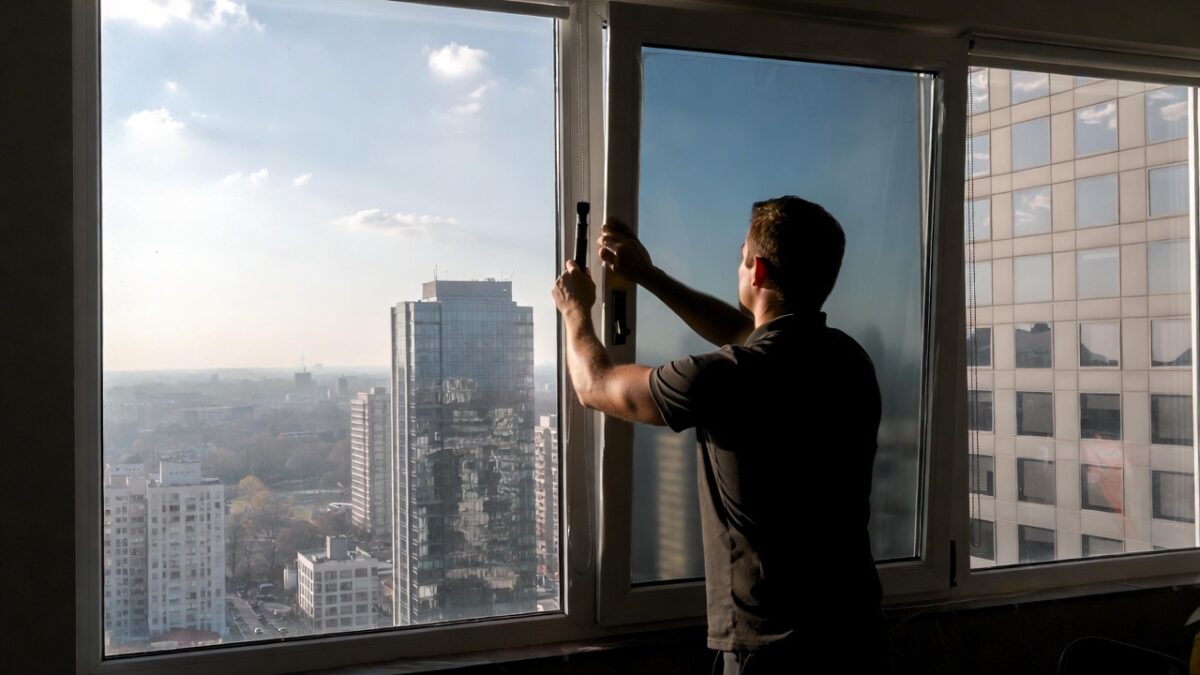
When it comes to home improvement, window films offer a versatile and efficient solution for enhancing comfort and aesthetics. Among the various types of window films available, solar film stands out for its unique benefits, including energy savings, glare reduction, and privacy enhancement. If you’re an interior designer or a homeowner looking to improve your living space, understanding solar film for windows can be a game-changer.
In this article, we’ll explore what solar film is, its benefits, how it compares to other window films, and what to consider when choosing the right one for your needs.
Solar film is a thin, multi-layered polyester material that is applied to the interior or exterior of glass windows. It is designed to reflect and absorb solar radiation, thereby reducing heat, glare, and ultraviolet (UV) rays entering a building. With advancements in technology, modern solar films offer a range of features that make them an attractive option for both residential and commercial applications.

Key Features of Solar Film
- Heat Reduction: Solar films can reduce heat gain through windows by up to 80%, making interiors cooler and more comfortable, especially during the hot summer months.
- UV Protection: By blocking up to 99% of harmful UV rays, solar films help protect furniture, flooring, and artwork from fading, thus prolonging their lifespan.
- Glare Reduction: Solar films significantly reduce glare, making it easier to watch TV or work on a computer without eye strain.
- Energy Efficiency: By reducing the need for air conditioning, solar films can lead to significant savings on energy bills.
- Privacy and Security: Reflective or tinted solar films enhance privacy during the day and can also add a layer of security by holding shattered glass together.
Types of Window Films: Solar vs. Reflective vs. Privacy
Choosing the right type of window film depends on your specific needs and preferences. Here’s a quick comparison:
Solar Film
- Purpose: Primarily used for heat reduction, glare control, and UV protection.
- Appearance: Typically clear or lightly tinted, allowing for natural light while reducing heat and glare.
- Best For: Homes or offices where energy efficiency and comfort are priorities.
Reflective Window Film
- Purpose: Provides privacy by reflecting light, making it difficult to see inside from the outside during the day.
- Appearance: Often has a mirrored or metallic appearance from the outside.
- Best For: Spaces where privacy and a modern aesthetic are desired.
Privacy Window Film
- Purpose: Used primarily to enhance privacy without the need for curtains or blinds.
- Appearance: Available in frosted, etched, or patterned designs.
- Best For: Bathrooms, bedrooms, or offices where privacy is a primary concern.

Benefits of Using Solar Film in Interior Design
For interior designers, solar film offers several advantages that align with their goals of creating stylish and functional spaces.
Enhancing Aesthetics and Comfort
Solar films are available in a variety of shades and finishes, allowing designers to choose options that complement the overall design scheme. They enhance comfort by maintaining a consistent indoor temperature and reducing glare, which can affect the ambiance of a room.
Eco-Friendly and Cost-Effective
Solar films are an environmentally friendly solution that contributes to reducing energy consumption. For clients interested in sustainability, solar films provide an effective way to lower carbon footprints. Additionally, they are a cost-effective alternative to replacing windows, offering significant savings on energy costs.
Versatility and Easy Installation
Solar films are suitable for various types of glass and can be installed quickly with minimal disruption. This makes them a versatile choice for both new constructions and renovations.
Considerations When Choosing Solar Film
Before selecting solar film for a project, consider the following factors:
Window Orientation
The direction windows face can impact the effectiveness of solar film. South and west-facing windows typically receive the most sunlight and may benefit most from solar film.
Climate and Environment
The local climate and environmental conditions can influence the choice of solar film. In hotter climates, films with higher heat rejection properties are ideal, whereas in milder climates, lighter films may suffice.
Aesthetic Preferences
Consider the desired aesthetic outcome. While some clients may prefer clear films that are virtually invisible, others might opt for tinted or reflective films for added privacy and style.

by Dana Sarsenbekova (https://unsplash.com/@barsuklis)
Conclusion
Solar film for windows is a powerful tool in the realm of home improvement and interior design. It offers a blend of functionality and aesthetics, catering to the modern homeowner’s need for comfort, efficiency, and style. By understanding the benefits and applications of solar film, interior designers can provide their clients with innovative solutions that enhance living spaces and contribute to a more sustainable future.
Whether your focus is on reducing energy costs, increasing privacy, or simply improving the overall aesthetic of a space, solar film provides a versatile and effective option. As you explore this innovative solution, remember to consider the specific needs of your project and select the film that best aligns with your goals. With the right solar film, you can transform any room into a comfortable, energy-efficient, and stylish haven.